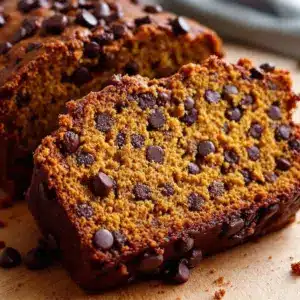
The faintest orange glow in the crumb—that’s what I was after. Not the aggressive pumpkin-pie-orange of commercial breads, but a soft, sunset-tinged warmth that tells you something good is hiding inside. I’d been staring at a half-full jar of sourdough discard in my fridge for three days, feeling guilty every time I opened the door. You know the feeling—that little jar of bubbly potential that you can’t bring yourself to throw away but also can’t figure out what to do with. Then I spotted the can of pumpkin puree sitting next to it, and something clicked. Not a sweet loaf, not a dense brick, but a soft, squishy sandwich bread that actually stays tender for days.
This wasn’t some grand family recipe passed down through generations. Honestly, it came from a place of pure stubbornness. I wanted a pumpkin bread that didn’t taste like dessert, that I could toast for breakfast or use for a turkey sandwich the day after Thanksgiving. Most pumpkin sourdough recipes I tried were either too dry or too sweet, missing that pillowy quality that makes homemade bread worth the effort. So I started tinkering—adjusting hydration, playing with the discard-to-flour ratio, and eventually landing on something that made me close my eyes after the first bite. It’s the kind of bread that makes you question why you ever bought store-bought sandwich loaves. And honestly, that’s the whole point.
Why You’ll Love This Recipe
I’ve tested this Soft & Fluffy Pumpkin Sourdough Discard Bread at least seven times before sharing it here. My kitchen counter has seen more flour than a bakery, and my family has kindly volunteered as taste-testers for every single version. So trust me when I say this one is the winner.
- Uses up sourdough discard—no more guilt over that jar in the fridge. This recipe turns waste into something genuinely delicious.
- Soft and fluffy texture—thanks to the pumpkin puree and the right hydration, this bread stays tender for days. No dry crumb here.
- Not overly sweet—most pumpkin breads are basically cake in disguise. This one is savory-leaning with just a hint of warmth from the spices.
- Simple ingredients—you probably have everything in your pantry right now. No fancy flours or hard-to-find additions.
- Perfect for fall gatherings—bring this to a Friendsgiving or holiday brunch and watch it disappear. It pairs beautifully with soups, stews, or just a generous slather of butter.
- Crowd-pleaser—kids love the soft texture, adults appreciate the subtle pumpkin flavor, and sourdough enthusiasts will admire the tangy undertone.
What makes this recipe different? It’s the balance. The pumpkin adds moisture without making the bread gummy, the discard provides that signature sourdough tang without overwhelming the pumpkin flavor, and the technique ensures a fluffy crumb that holds up to toasting. This isn’t just another pumpkin bread recipe—it’s the one you’ll come back to all season long.
What Ingredients You Will Need
This recipe uses simple, wholesome ingredients that work together to create that soft, fluffy texture and subtle pumpkin flavor. Most of these are pantry staples, which makes this bread perfect for spontaneous baking sessions.
- Pumpkin puree (1 cup, 240g) — Use canned pure pumpkin puree, not pumpkin pie filling. I prefer Libby’s for consistent texture and moisture content. Make sure it’s plain, unsweetened, and not seasoned.
- Sourdough discard (1 cup, 240g) — Unfed, straight from the fridge discard works perfectly. It should be at room temperature for best results. If your discard is very thick, you might need to adjust the milk slightly.
- Bread flour (3 cups, 360g) — Bread flour gives this loaf its structure and chew. All-purpose flour works too, but the crumb won’t be quite as fluffy. King Arthur Flour is my go-to brand for consistent results.
- Whole wheat flour (1 cup, 120g) — Adds a subtle nuttiness and extra fiber. You can substitute with all-purpose flour if you prefer a lighter color and texture.
- Warm milk (½ cup, 120ml) — Whole milk adds richness, but 2% or plant-based milk works too. Warm it to about 110°F (43°C) to help activate the yeast.
- Unsalted butter (4 tablespoons, 56g) — Softened to room temperature. Butter adds flavor and tenderness. You can substitute with coconut oil for a dairy-free version, but the flavor will change slightly.
- Honey or maple syrup (2 tablespoons, 42g) — Just enough sweetness to complement the pumpkin without making the bread sweet. Honey adds a floral note, while maple syrup gives a more earthy sweetness.
- Active dry yeast (2 teaspoons, 6g) — This helps the bread rise since discard alone might not provide enough lift. Instant yeast works too—just mix it directly with the flour.
- Salt (1½ teaspoons, 9g) — Essential for flavor and for controlling yeast activity. I use fine sea salt.
- Pumpkin pie spice (1 teaspoon) — You can use store-bought or make your own with cinnamon, nutmeg, ginger, and cloves. I prefer making my own blend for a fresher taste.
- Cinnamon (½ teaspoon) — Adds warmth and depth. Feel free to increase to 1 teaspoon if you love cinnamon.
- Egg (1 large) — At room temperature. The egg adds structure and helps with browning.
Equipment Needed
You don’t need a professional bakery setup for this Soft & Fluffy Pumpkin Sourdough Discard Bread. Most of these tools are probably already in your kitchen.
- 9×5-inch loaf pan — A standard loaf pan works perfectly. Glass or metal both work, but metal conducts heat more evenly. I’ve used both and prefer metal for a nicer crust.
- Stand mixer with dough hook — Makes kneading effortless, but you can absolutely knead by hand. It’ll take about 10-12 minutes of arm work.
- Large mixing bowl — For proofing the dough. Glass or ceramic works best because they retain heat well.
- Plastic wrap or a clean kitchen towel — For covering the dough during proofing. A damp towel works great to prevent drying out.
- Digital kitchen scale — Not strictly necessary, but highly recommended for consistent results. Baking by weight is more accurate than volume measurements.
- Instant-read thermometer — Helps check milk temperature and internal bread temperature (should be around 190°F/88°C when done).
- Cooling rack — Essential for proper cooling. Don’t skip this—cooling in the pan leads to a soggy bottom.
- Parchment paper — For lining the loaf pan. Makes removal effortless and cleanup a breeze.
If you don’t have a stand mixer, don’t worry. I’ve made this bread plenty of times by hand, and it turns out just as good. It’s a great arm workout, honestly!
Preparation Method
Let’s walk through this step by step. Take your time, and don’t rush the proofing stages—that’s where the magic happens.
- Warm the milk and activate the yeast. In a small bowl, combine the warm milk (about 110°F/43°C) with the honey and active dry yeast. Let it sit for 5-10 minutes until it becomes foamy. If it doesn’t foam, your yeast might be dead—start over with fresh yeast.
- Mix the dry ingredients. In a large bowl or the bowl of your stand mixer, whisk together the bread flour, whole wheat flour, salt, pumpkin pie spice, and cinnamon. Make sure the spices are evenly distributed.
- Combine the wet ingredients. In a separate bowl, whisk together the pumpkin puree, sourdough discard, egg, and softened butter until smooth. The mixture should be a beautiful orange color and smell slightly tangy from the discard.
- Bring it all together. Pour the yeast mixture and the pumpkin mixture into the dry ingredients. Mix with a wooden spoon or the paddle attachment until a shaggy dough forms. Switch to the dough hook if using a stand mixer.
- Knead the dough. Knead on medium-low speed for 8-10 minutes, or by hand on a lightly floured surface for 12 minutes. The dough should be soft, slightly sticky, and smooth. It should pass the windowpane test—stretch a small piece of dough thin enough to see light through without it tearing.
- First proofing (bulk fermentation). Place the dough in a lightly oiled bowl, cover with plastic wrap or a damp towel, and let it rise in a warm place for 1½ to 2 hours. It should double in size. I usually put it in my oven with the light on—it stays perfectly warm in there.
- Shape the loaf. Turn the dough out onto a lightly floured surface. Gently press it into a rectangle about 8×10 inches. Roll it up tightly from the short end, pinching the seam to seal. Place it seam-side down in a parchment-lined 9×5-inch loaf pan.
- Second proofing. Cover the pan loosely with plastic wrap and let it rise for another 45 minutes to 1 hour. The dough should rise about 1 inch above the rim of the pan. Don’t over-proof—if it rises too much, the bread might collapse in the oven.
- Preheat and bake. About 20 minutes before the second proofing is done, preheat your oven to 350°F (175°C). Brush the top of the loaf with a little milk or melted butter for a shiny crust. Bake for 35-40 minutes, until the top is golden brown and the internal temperature reaches 190°F (88°C).
- Cool completely. Let the bread cool in the pan for 10 minutes, then transfer it to a wire rack. Resist the urge to slice it while it’s warm—it needs to cool completely to set the crumb. I know it’s hard, but trust me on this.
Sensory cues: During kneading, the dough should feel soft and slightly tacky, not sticky. After proofing, it should look puffy and feel airy when you gently poke it. The baked loaf should sound hollow when tapped on the bottom.
Cooking Tips & Techniques
I’ve made every mistake possible with this bread so you don’t have to. Here’s what I’ve learned the hard way.
Don’t skip the yeast. Even though we’re using sourdough discard, the active dry yeast ensures a reliable rise. Discard alone doesn’t have enough oomph to lift this enriched dough. I learned this the hard way when I tried to make it yeast-free—the result was a dense, sad brick that even butter couldn’t save.
Watch your water content. Pumpkin puree varies in moisture depending on the brand. If your dough feels too sticky during kneading, add a tablespoon of flour at a time. If it feels too dry, add a splash of milk. The dough should be soft but not sticky to the touch.
Temperature matters. Cold ingredients can shock the yeast and slow down proofing. Make sure your discard, egg, and butter are at room temperature before you start. I usually take everything out of the fridge about an hour before baking.
Don’t over-proof. This is the most common mistake. The second proof should only go until the dough rises about an inch above the pan rim. If it rises too much, the bread will collapse in the oven and have a dense, gummy texture. Set a timer—I’ve ruined plenty of loaves by getting distracted.
Use the toothpick test. If you’re unsure whether the bread is done, insert a toothpick into the center. It should come out clean or with just a few moist crumbs. If it’s wet, bake for another 5 minutes and check again.
Variations & Adaptations
This Soft & Fluffy Pumpkin Sourdough Discard Bread is wonderfully adaptable. Here are some variations I’ve tried and loved.
- Vegan version: Replace the butter with coconut oil or vegan butter, use a flax egg (1 tablespoon ground flaxseed + 3 tablespoons water), and substitute the milk with almond or oat milk. The texture will be slightly denser but still delicious.
- Gluten-free option: Use a gluten-free bread flour blend that contains xanthan gum. Reduce the liquid slightly since gluten-free flours absorb differently. The crumb won’t be as fluffy, but it’s a solid alternative.
- Add-ins: Fold in ½ cup of toasted pumpkin seeds, dried cranberries, or chopped pecans after the first proof. For a sweeter version, add ¼ cup of chocolate chips—trust me, pumpkin and chocolate are a match made in heaven.
- Savory twist: Skip the pumpkin pie spice and cinnamon, and add 1 teaspoon of dried rosemary or thyme, plus ½ cup of grated Parmesan cheese. This version is incredible served alongside soups or stews.
- Spiced up: Increase the spices for a more intense flavor. Add ¼ teaspoon of ground ginger, ⅛ teaspoon of ground cloves, and a pinch of black pepper for warmth.
I once made a version with roasted pumpkin instead of canned puree, and the flavor was noticeably richer. If you have fresh pumpkin on hand, roast it until tender, then puree it until smooth. Just make sure to drain any excess liquid—fresh pumpkin tends to be more watery than canned.
Serving & Storage Suggestions
This bread is incredibly versatile when it comes to serving. Here’s how I like to enjoy it.
Serving temperature: Slice and serve at room temperature, or toast it lightly for a crisp exterior and soft interior. A generous spread of salted butter is my go-to, but honey butter or cream cheese takes it to another level.
Perfect pairings: This bread is fantastic alongside a warm bowl of Moroccan couscous with seven vegetables for a cozy fall dinner. It also makes an excellent base for fresh autumn harvest salad with maple vinaigrette—just toast it and serve on the side. For a hearty breakfast, try it with fluffy sourdough discard biscuits for a double-discard morning treat.
Storage: Keep the bread in an airtight container or wrapped tightly in plastic wrap at room temperature for up to 4 days. The pumpkin puree keeps it moist, so it stays fresh longer than regular bread.
Freezing: This bread freezes beautifully. Slice it first, then wrap each slice individually in plastic wrap and place them in a freezer bag. They’ll keep for up to 3 months. Toast directly from frozen—no need to thaw.
Reheating: For the best texture, toast slices in a toaster or under the broiler for 2-3 minutes. You can also reheat the whole loaf in a 300°F (150°C) oven for 10 minutes if you want that fresh-baked feel.
Flavor development: Honestly, this bread tastes even better the next day. The flavors meld together overnight, and the texture becomes even more tender. If you can resist eating it all on day one, you’re in for a treat on day two.
Nutritional Information & Benefits
Here’s a rough estimate per slice (assuming 12 slices per loaf):
- Calories: 180-200
- Protein: 6g
- Carbohydrates: 34g
- Fiber: 3g
- Fat: 4g
- Sugar: 5g
Health highlights: Pumpkin is packed with vitamin A, fiber, and antioxidants. The sourdough fermentation process makes the bread easier to digest and may improve gut health. Whole wheat flour adds extra fiber and nutrients compared to all-purpose flour alone.
Dietary considerations: This recipe is vegetarian and can be made vegan with simple substitutions. It’s not gluten-free in its standard form, but the gluten-free variation works well. The natural sweetness from the pumpkin and honey means you can reduce added sugar without sacrificing flavor.
My perspective: I love that this bread feels indulgent but is actually pretty wholesome. It’s the kind of thing I feel good about feeding my family—real food with real ingredients, no preservatives or weird additives. Plus, using up sourdough discard means less food waste, which is always a win in my book.
FAQs
Can I use all-purpose flour instead of bread flour?
Yes, you can substitute all-purpose flour for the bread flour. The crumb will be slightly less fluffy and the bread might not rise as high, but it will still taste delicious. If you have bread flour on hand, I recommend using it for the best texture.
My dough isn’t rising. What went wrong?
Several things could be happening. Your yeast might be expired or killed by milk that was too hot (over 120°F/49°C). The room temperature might be too cold for proper proofing. Try placing the dough in a warm spot, like an oven with the light on. If it still doesn’t rise after 2 hours, your yeast is likely dead—start over with fresh yeast.
Can I make this without a stand mixer?
Absolutely! Kneading by hand takes about 12 minutes of steady work. The dough is soft and forgiving, so it’s actually quite pleasant to work with. Just make sure you knead until it passes the windowpane test—stretch a small piece thin enough to see light through without it tearing.
How do I know when the bread is fully baked?
The top should be golden brown, and the loaf should sound hollow when tapped on the bottom. For accuracy, use an instant-read thermometer—the internal temperature should reach 190°F (88°C) in the center. If the top is browning too quickly, tent it with aluminum foil for the last 10 minutes of baking.
Can I double this recipe?
Yes, this recipe doubles beautifully. Use a larger bowl for proofing, and bake in two separate loaf pans. The baking time might increase by 5-10 minutes, so keep an eye on them. You can also freeze one loaf for later—it’s a great way to stock up for the holiday season.
Conclusion
This Soft & Fluffy Pumpkin Sourdough Discard Bread is the kind of recipe that makes you feel like a baking genius without requiring a culinary degree. It’s forgiving, adaptable, and produces a loaf that looks and tastes like it came from a fancy bakery. The combination of tangy sourdough and subtle pumpkin flavor is unexpected in the best way, and the texture—oh, that soft, pillowy crumb—is exactly what homemade bread should be.
I hope you give this recipe a try, whether you’re looking to use up sourdough discard, impress guests at a fall gathering, or just want a slice of something warm and comforting. Feel free to play with the spices, add your favorite mix-ins, or experiment with different flours. That’s the beauty of bread baking—it’s a canvas for your creativity.
If you make this bread, I’d love to hear about it! Drop a comment below and tell me how it turned out, what variations you tried, or just share your favorite way to enjoy a slice. And don’t forget to pin this recipe for later—you’re going to want it on hand all season long. Happy baking, friends!
Pin This Recipe!
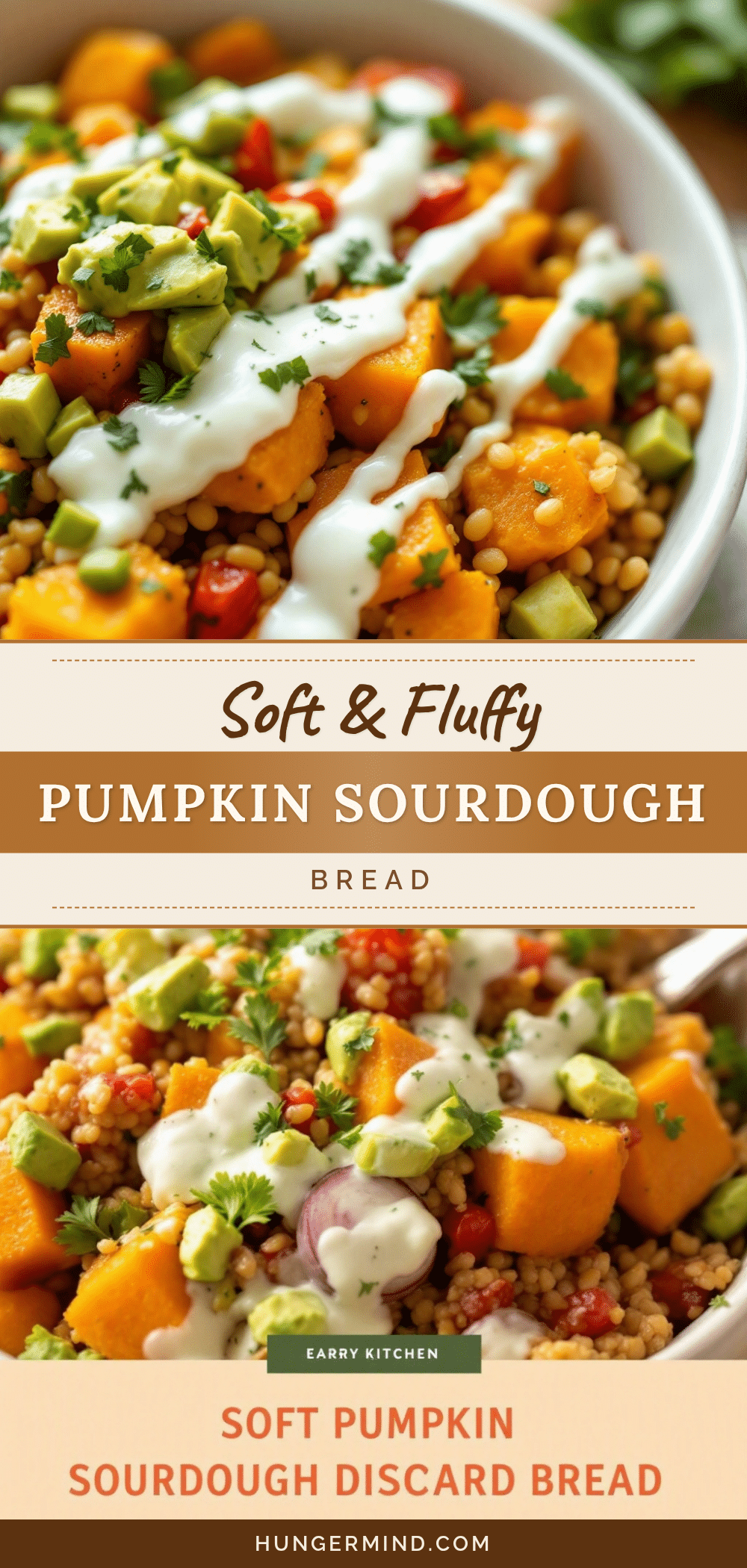
Perfect Soft & Fluffy Pumpkin Sourdough Discard Bread

A soft, squishy sandwich bread that uses up sourdough discard and pumpkin puree, with a subtle pumpkin flavor and tender crumb that stays fresh for days. Perfect for fall gatherings, toasting, or sandwiches.
- Prep Time: 20 minutes
- Cook Time: 35-40 minutes
- Total Time: 3 hours 15 minutes (including proofing)
- Yield: 12 servings 1x
- Category: Bread
- Cuisine: American
Ingredients
- 1 cup (240g) pumpkin puree (plain, unsweetened)
- 1 cup (240g) sourdough discard (unfed, at room temperature)
- 3 cups (360g) bread flour
- 1 cup (120g) whole wheat flour
- ½ cup (120ml) warm milk (about 110°F/43°C)
- 4 tablespoons (56g) unsalted butter, softened
- 2 tablespoons (42g) honey or maple syrup
- 2 teaspoons (6g) active dry yeast
- 1½ teaspoons (9g) fine sea salt
- 1 teaspoon pumpkin pie spice
- ½ teaspoon cinnamon
- 1 large egg, at room temperature
Instructions
- Warm the milk and activate the yeast: In a small bowl, combine warm milk (about 110°F/43°C) with honey and active dry yeast. Let sit for 5-10 minutes until foamy.
- Mix the dry ingredients: In a large bowl or stand mixer bowl, whisk together bread flour, whole wheat flour, salt, pumpkin pie spice, and cinnamon.
- Combine the wet ingredients: In a separate bowl, whisk together pumpkin puree, sourdough discard, egg, and softened butter until smooth.
- Bring it all together: Pour the yeast mixture and pumpkin mixture into the dry ingredients. Mix until a shaggy dough forms. Switch to dough hook if using a stand mixer.
- Knead the dough: Knead on medium-low speed for 8-10 minutes (or by hand for 12 minutes) until soft, slightly sticky, and smooth. It should pass the windowpane test.
- First proofing (bulk fermentation): Place dough in a lightly oiled bowl, cover, and let rise in a warm place for 1½ to 2 hours until doubled in size.
- Shape the loaf: Turn dough onto a lightly floured surface. Press into an 8×10-inch rectangle. Roll tightly from the short end, pinch seam to seal. Place seam-side down in a parchment-lined 9×5-inch loaf pan.
- Second proofing: Cover loosely and let rise for 45 minutes to 1 hour until dough rises about 1 inch above the pan rim.
- Preheat and bake: About 20 minutes before second proofing is done, preheat oven to 350°F (175°C). Brush top with milk or melted butter. Bake for 35-40 minutes until golden brown and internal temperature reaches 190°F (88°C).
- Cool completely: Let bread cool in pan for 10 minutes, then transfer to a wire rack. Cool completely before slicing.
Notes
Don’t skip the yeast; discard alone won’t provide enough lift. Pumpkin puree moisture varies; adjust with flour or milk if needed. Ensure all ingredients are at room temperature. Do not over-proof during second proofing. Bread tastes even better the next day.
Nutrition
- Serving Size: 1 slice
- Calories: 190
- Sugar: 5
- Sodium: 290
- Fat: 4
- Saturated Fat: 2
- Carbohydrates: 34
- Fiber: 3
- Protein: 6
Keywords: pumpkin sourdough bread, sourdough discard recipe, soft pumpkin bread, fall bread, sandwich bread, pumpkin sourdough