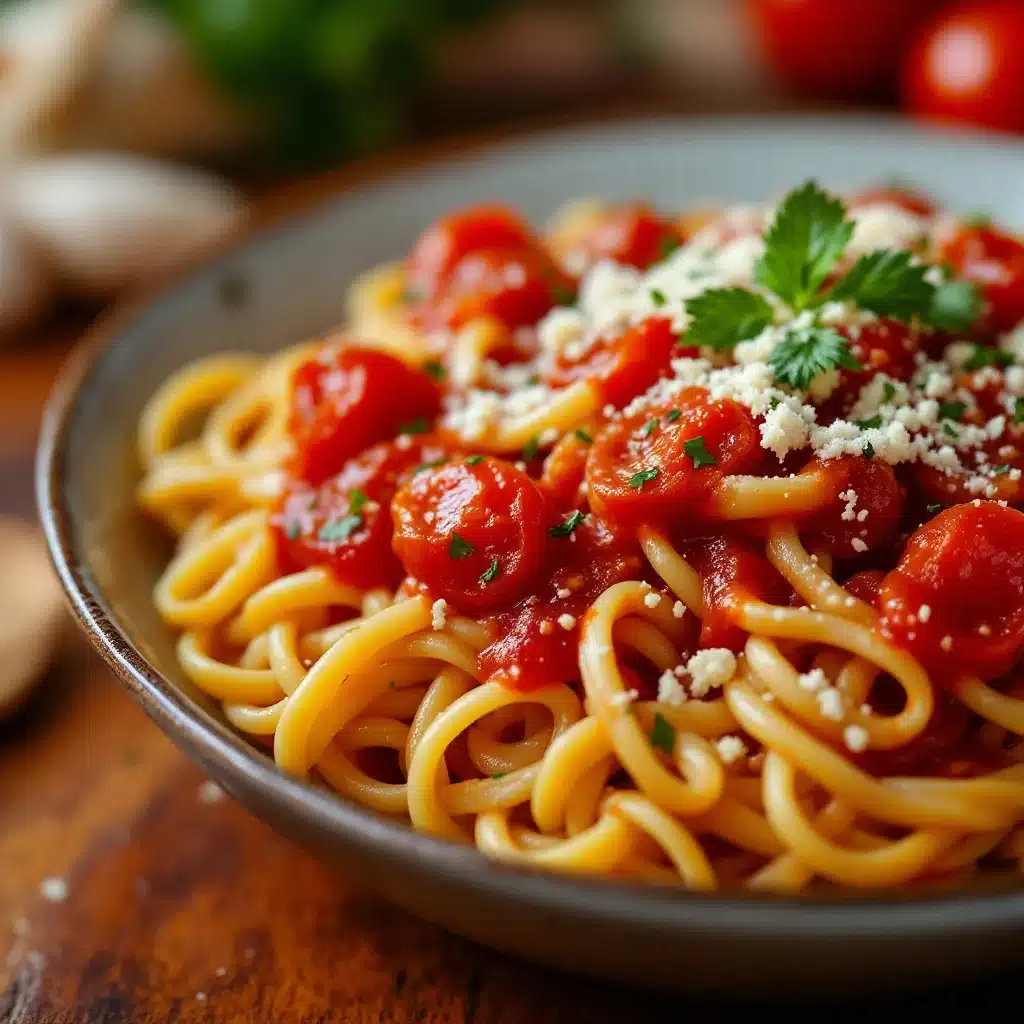
I did not trust cherry tomatoes in a sauce. For years, I thought roasting them was a gimmick—a pretty way to make a mediocre sauce that looked good on Instagram but couldn’t hold a candle to a proper San Marzano simmer. I mean, cherry tomatoes are for salads, right? For snacking straight from the vine in August? Not for the backbone of a pasta dish that’s supposed to comfort you on a Tuesday night in February.
Then my neighbor, a woman who grows tomatoes like some people grow orchids, showed up at my door with a colander overflowing with Sungolds. “You’re going to roast these,” she said. It wasn’t a suggestion. I didn’t have the heart to tell her I thought she was wrong. So I halved them, tossed them with garlic and olive oil, and slid them into a low oven. I figured I’d prove myself right.
Two hours later, my kitchen smelled like something had shifted. Not just the sweet, concentrated scent of tomatoes—there was a deeper thing happening, a savory richness that made me open the oven door three times just to check. The tomatoes had collapsed into themselves, their edges caramelized, their juices pooling with the garlic into something that looked almost like jam. I mashed one with a fork and tasted it. And then I stood there, eating them straight from the pan, burning my tongue, completely quiet.
That was the moment I stopped being a sauce snob. This best slow roasted cherry tomato sauce with garlic isn’t a compromise or a shortcut. It’s its own thing—deep, complex, sweet without being sugary, savory without being heavy. It taught me that sometimes the best recipes come from being wrong.
Why You’ll Love This Recipe
Let me tell you why this one sticks. I’ve tested this slow roasted cherry tomato sauce at least a dozen times, tweaking temperatures and timing, and I can say with confidence: this version is the one.
- Hands-Off Cooking: The oven does all the work. You chop nothing beyond halving tomatoes and smashing garlic. Stir once, maybe twice. That’s it.
- Simple Ingredients: Cherry tomatoes, garlic, olive oil, salt, and herbs. You probably have everything right now. No trips to a specialty store.
- Perfect for Meal Prep: Make a big batch on Sunday. Use it all week on pasta, pizza, eggs, or toast. It gets better as it sits.
- Crowd-Pleaser: I’ve served this to pasta purists and picky kids. Everyone asks for the recipe. Every single time.
- Unbelievably Deep Flavor: Low heat transforms cherry tomatoes into something almost meaty. The garlic turns sweet and spreadable. You won’t believe something this simple tastes this good.
What makes this different from every other tomato sauce recipe? It’s the technique. Roasting at 300°F (150°C) instead of higher heat lets the tomatoes slowly concentrate their sugars without burning. The garlic gets tender and mellow instead of sharp. You end up with a sauce that tastes like it simmered all day, but you barely did anything. It’s the kind of recipe that makes you look like a hero with almost no effort.
Honestly, I make this when I want to feel like I’ve got dinner handled before 10 AM. It’s that kind of recipe—reliable, forgiving, and secretly impressive.
What Ingredients You Will Need
This slow roasted cherry tomato sauce uses a short list of ingredients, but each one matters. Here’s what you need and why.
For the Roasted Tomatoes
- 2 pounds (900g) cherry or grape tomatoes – Any color works. I like a mix of red and yellow for visual appeal, but all red is fine. Ripe, firm tomatoes hold their shape better during roasting. If they’re super soft, they’ll collapse faster—still delicious, just saucier.
- 6 to 8 cloves garlic, peeled and smashed – Smashing releases flavor without mincing. The cloves soften and sweeten as they roast. I use a chef’s knife blade to flatten each clove gently. You want them intact, not minced.
- ¼ cup (60ml) extra virgin olive oil – Use a good one here. The oil carries the flavor. I prefer California Olive Ranch or Kirkland for everyday cooking. Save your fancy finishing oil for drizzling at the end.
- 1 teaspoon kosher salt – Diamond Crystal is my go-to. If using fine sea salt, reduce to ¾ teaspoon. Salt draws out moisture and helps concentrate flavor.
- ½ teaspoon black pepper, freshly ground – Fresh makes a difference. Pre-ground pepper tastes flat.
- 2 sprigs fresh basil or thyme (optional) – Adds aromatic depth. Rosemary works too, but use less—it’s stronger. I usually go with basil because it’s classic.
For the Finished Sauce
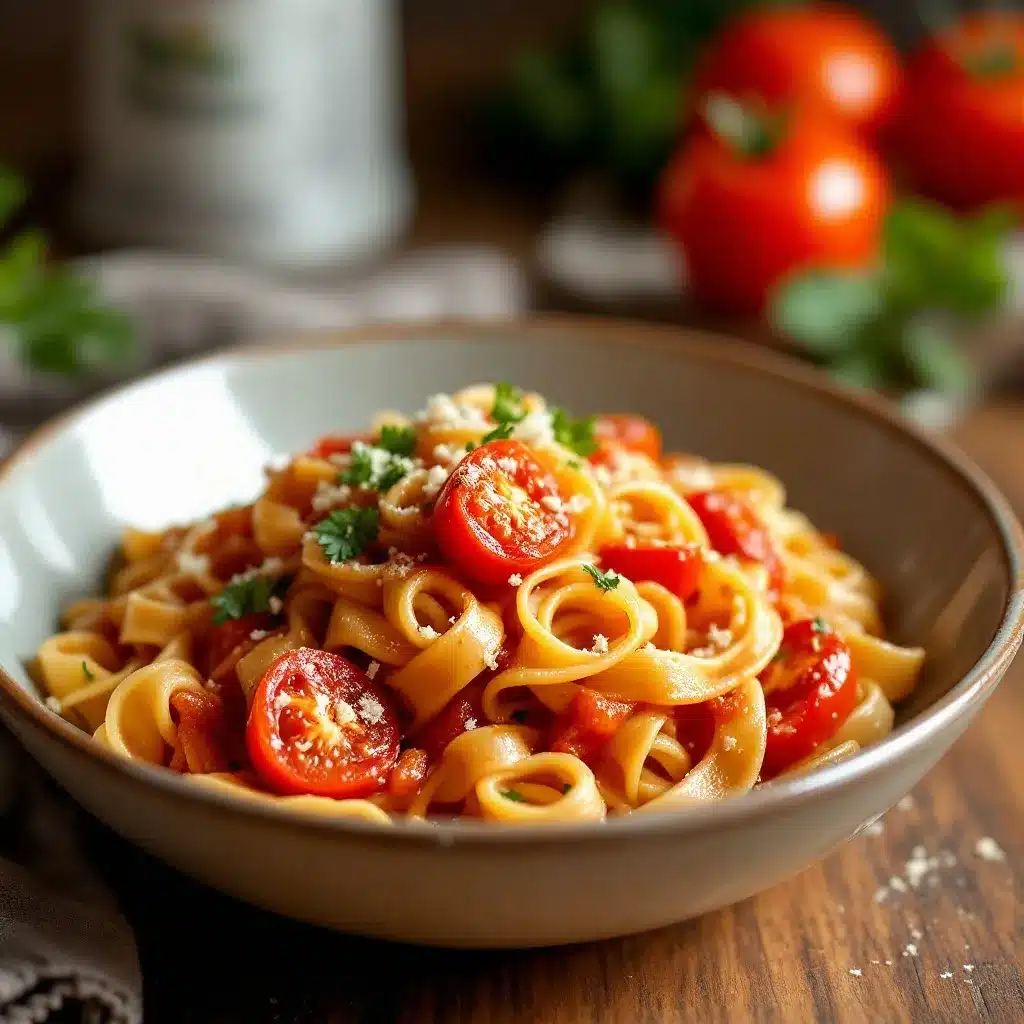
- 1 tablespoon balsamic vinegar – This is optional but recommended. A splash brightens everything and adds a subtle tang that balances the sweetness. Red wine vinegar works in a pinch.
- Red pepper flakes (optional) – For heat. I add a pinch at the end, not during roasting. It keeps the flavor fresh.
- Fresh basil leaves, torn, for serving – Adds color and freshness right before serving.
Ingredient Tips from My Kitchen
Cherry tomatoes vary in sweetness depending on the season. In summer, you might not need the balsamic. In winter, when supermarket tomatoes are less flavorful, the balsamic helps boost depth. Trust your taste buds.
For garlic, avoid pre-peeled cloves if you can. They’re often older and less flavorful. Fresh garlic makes a real difference here because it’s such a prominent ingredient.
If you want extra richness, add a tablespoon of tomato paste before roasting. It sounds weird, but it deepens the color and adds umami. I do this when I’m making sauce for a hearty winter pasta.
Equipment Needed
You don’t need much for this recipe. That’s part of the appeal.
- Baking sheet or roasting pan – A rimmed baking sheet works best. Half-sheet size (18×13 inches) is ideal. Avoid glass or ceramic—they don’t conduct heat as well. Darker metal pans encourage better browning.
- Parchment paper or silicone baking mat – Not strictly necessary, but makes cleanup effortless. The caramelized tomato juices can stick to the pan. Parchment saves you from scrubbing.
- Chef’s knife and cutting board – For halving tomatoes. A sharp knife prevents squishing. If your tomatoes are very small, you can leave them whole—they’ll burst during roasting.
- Large skillet or saucepan – For finishing the sauce on the stovetop. A 12-inch skillet gives you room to work. Stainless steel or nonstick both work.
- Wooden spoon or spatula – For stirring and mashing. I use a flat-edged wooden spoon. It mashes tomatoes efficiently without scratching pans.
- Immersion blender or potato masher – For texture. I prefer a potato masher for a chunkier sauce. An immersion blender gives you a smoother result. Both work.
Budget-friendly tip: Skip the parchment and use a well-oiled pan. Soak it immediately after roasting to loosen any stuck bits. A good soak saves scrubbing.
Preparation Method
Let me walk you through this step by step. I’ve made this slow roasted cherry tomato sauce more times than I can count, and these details matter.
Step 1: Prep the Tomatoes (5 minutes)
Preheat your oven to 300°F (150°C). While it heats, rinse your cherry tomatoes and pat them dry. Halve each tomato lengthwise. If you have a mix of sizes, try to keep the halves uniform so they cook evenly. Small cherry tomatoes can stay whole—they’ll burst open on their own.
Sensory cue: The tomatoes should feel firm but yield slightly to pressure. If they’re mushy, handle them gently to avoid crushing.
Step 2: Arrange on the Baking Sheet (3 minutes)
Line your baking sheet with parchment paper. Arrange the tomato halves cut-side up in a single layer. Don’t crowd them—leave a little space between each piece. If they’re too close, they’ll steam instead of roast. Smash the garlic cloves with the flat of your knife and scatter them around the pan. Tuck the herb sprigs in between the tomatoes.
Personal tip: I used to skip the parchment and regretted it every time. The caramelized sugars stick to the pan like glue. Learn from my mistakes. Use the parchment.
Step 3: Drizzle and Season (2 minutes)
Drizzle the olive oil evenly over the tomatoes and garlic. Sprinkle with salt and pepper. Toss everything gently with your hands to coat, then rearrange the tomatoes cut-side up again. The cut side should face up for the best caramelization.
Step 4: Roast Low and Slow (2 to 2.5 hours)
Place the baking sheet on the center rack. Roast for 60 minutes, then rotate the pan. Continue roasting for another 60 to 90 minutes. The tomatoes should look shrunken, deeply wrinkled, and slightly caramelized around the edges. The garlic should be soft enough to smash with a fork.
Troubleshooting: If your tomatoes aren’t caramelizing after 2 hours, your oven might run cool. Increase the temperature to 325°F (160°C) for the last 30 minutes. If they’re browning too fast, reduce to 275°F (135°C). Every oven is different—trust your eyes, not just the timer.
Sensory cue: Your kitchen should smell sweet and savory, like tomato jam and roasted garlic. The tomatoes will look almost like dried fruit—concentrated and sticky.
Step 5: Transfer to Skillet (5 minutes)
Remove the baking sheet from the oven. Let it cool for 5 minutes. Pick out the herb sprigs (the leaves will have fallen off—that’s fine). Transfer the roasted tomatoes, garlic, and all the pan juices to a large skillet. Don’t leave any of those caramelized bits behind—they’re pure flavor.
Step 6: Mash and Simmer (10 minutes)
Place the skillet over medium heat. Use a potato masher or wooden spoon to break up the tomatoes. I like a chunky sauce, so I leave some pieces intact. If you prefer smooth, use an immersion blender here. Stir in the balsamic vinegar and red pepper flakes if using. Let the sauce simmer for 5 to 7 minutes, stirring occasionally, until it thickens slightly. Taste and adjust salt and pepper.
Personal tip: If the sauce seems too thick, add a splash of pasta cooking water when you combine them. The starchy water helps the sauce cling to noodles beautifully.
Step 7: Finish and Serve (2 minutes)
Tear fresh basil leaves over the sauce just before serving. Drizzle with a little extra olive oil if you’re feeling fancy. Serve over pasta, spread on crusty bread, or use as a pizza base.
Cooking Tips & Techniques
I’ve messed up this recipe enough times to know what works. Here’s what I learned the hard way.
Don’t rush the temperature. I tried 400°F once because I was impatient. The tomatoes charred on the outside before they softened inside. The sauce tasted bitter and thin. Low and slow is non-negotiable here. 300°F gives you that deep, jammy sweetness without any burned edges.
Use the right pan. A dark, rimmed baking sheet promotes better caramelization than a light-colored one. If you only have a light pan, add 15 to 20 minutes to the roasting time. Glass or ceramic dishes trap moisture and prevent browning—avoid them for roasting.
Don’t skip the smash on the garlic. I used to toss in whole cloves, thinking they’d soften enough. They didn’t. Smashing them exposes more surface area and lets them melt into the sauce. You want garlic that spreads like butter, not cloves you have to chase around your plate.
Timing strategy: Make this sauce while you’re doing other things. Roast the tomatoes while you clean the kitchen, fold laundry, or prep other meal components. The hands-on time is about 10 minutes total. The oven does the heavy lifting.
Consistency tip: If your sauce seems watery after simmering, it probably needs more time. Let it bubble gently for another 5 to 10 minutes. The water will evaporate and the flavor will concentrate. If it’s too thick, add a splash of pasta water or broth.
Variations & Adaptations
This slow roasted cherry tomato sauce is flexible. Here are some ways I’ve adapted it.
Vegan & Dairy-Free
The recipe is already vegan as written. For a creamy version, stir in ¼ cup of cashew cream or coconut cream at the end. It adds richness without dairy. I’ve made this for vegan friends and they couldn’t tell the difference.
Herb Variations
Swap basil for rosemary, oregano, or thyme during roasting. Each herb gives a different personality. Rosemary adds a piney, almost floral note. Oregano is more earthy and Italian. Thyme is subtle and versatile. I use rosemary when I’m pairing the sauce with roasted vegetables.
Spicy Version
Add ½ teaspoon red pepper flakes along with the salt before roasting. The heat mellows as it cooks, leaving a warm background note. For more punch, add fresh chili flakes at the end. I do this when I want a sauce that wakes you up.
Roasted Vegetable Addition
Toss in diced zucchini, bell peppers, or eggplant alongside the tomatoes. They roast at the same temperature and add texture. I’ve done this when I had leftover vegetables to use up. It turns the sauce into more of a ragù.
Freezer-Friendly
Double the batch and freeze half. The sauce freezes beautifully for up to 3 months. Thaw overnight in the refrigerator or reheat directly from frozen in a skillet. I always make extra in summer when tomatoes are at their peak.
Serving & Storage Suggestions
This sauce is versatile. Here’s how I use it.
Serving temperature: Serve hot, straight from the skillet. The sauce should be bubbling gently when you spoon it over pasta. Room temperature works too for bruschetta or crostini.
Perfect pairings: Toss with al dente spaghetti, rigatoni, or pappardelle. Spoon over creamy polenta or coconut rice for a twist. Spread on crusty bread with fresh mozzarella. Use as a base for garlic bread twists or flatbread pizzas. I’ve even spooned it over scrambled eggs—trust me on this.
Beverage pairing: A medium-bodied red like Chianti or Sangiovese complements the sweetness. For white wine drinkers, a dry Vermentino works beautifully.
Storage instructions: Store in an airtight container in the refrigerator for up to 5 days. The flavors actually deepen after a day or two. Reheat gently on the stovetop or in the microwave. Add a splash of water if it thickens too much.
Freezer instructions: Cool completely, then transfer to freezer-safe containers or zip-top bags. Label with the date. Freeze flat to save space. Thaw in the refrigerator overnight. Reheat in a skillet over medium heat.
Flavor development note: This sauce tastes even better the next day. The roasted garlic mellows further, and the tomato sweetness deepens. If you can, make it a day ahead.
Nutritional Information & Benefits
This sauce is naturally healthy. Here’s the breakdown per serving (about ½ cup, without pasta).
| Nutrient | Amount per Serving |
|---|---|
| Calories | 120-140 |
| Total Fat | 10g |
| Saturated Fat | 1.5g |
| Sodium | 350-400mg |
| Total Carbohydrates | 10g |
| Dietary Fiber | 3g |
| Sugars | 6g (natural) |
| Protein | 2g |
| Vitamin C | 35% DV |
| Vitamin A | 20% DV |
| Potassium | 15% DV |
Health highlights: Cherry tomatoes are rich in lycopene, an antioxidant linked to heart health and reduced inflammation. Roasting actually increases lycopene absorption. Garlic supports immune function and adds prebiotic fiber. Olive oil provides healthy monounsaturated fats that help your body absorb fat-soluble vitamins from the tomatoes.
Dietary considerations: This sauce is naturally gluten-free, dairy-free, vegan, and Whole30 compliant. It’s low in added sugars—the sweetness comes entirely from the tomatoes. If you’re watching sodium, reduce the salt to ½ teaspoon and adjust at the end.
I personally love that this sauce feels indulgent but is actually packed with nutrients. It’s comfort food that doesn’t weigh you down.
Conclusion
This best slow roasted cherry tomato sauce with garlic changed how I think about cooking. It taught me that patience—just a little bit—turns simple ingredients into something extraordinary. You don’t need a dozen exotic items or complicated techniques. You just need good tomatoes, good oil, and an oven set low enough to let magic happen slowly.
I’ve made this for lazy Sunday pastas, rushed weeknight dinners, and holiday gatherings where I wanted to impress without stress. It works every time. It freezes, it travels, it makes everything taste better.
Try it once, and I think you’ll understand why I stopped being a sauce snob. Customize it with your favorite herbs, adjust the heat, make it your own. That’s the beauty of a simple recipe—it leaves room for you.
I’d love to hear how yours turns out. Drop a comment below and tell me what you paired it with, or tag me in your photos. Happy cooking, friends.
Frequently Asked Questions
Can I use grape tomatoes instead of cherry tomatoes?
Absolutely. Grape tomatoes are slightly firmer and less juicy, so they may take an extra 15 to 20 minutes to soften. The flavor is nearly identical. Use whatever looks best at the store.
Do I have to halve the tomatoes?
Halving helps them release moisture and caramelize evenly. If you’re short on time, you can leave small cherry tomatoes whole—just add 10 to 15 minutes to the roasting time. Larger tomatoes should always be halved.
Can I make this in a slow cooker?
You can, but the texture will be different. Slow cookers trap moisture, so the sauce will be more like a stewed tomato sauce than a roasted one. If you try it, cook on low for 4 to 5 hours with the lid slightly ajar to let steam escape. The flavor is still good, just less concentrated.
How do I prevent the garlic from burning?
Smash the cloves but keep them whole rather than mincing. Whole cloves roast slowly and sweeten without burning. If your oven runs hot, check the garlic at the 60-minute mark and remove any pieces that are browning too quickly.
Can I use dried herbs instead of fresh?
Yes, but add them after roasting. Dried herbs can burn in the oven. Stir in 1 teaspoon of dried basil, oregano, or thyme when you transfer the tomatoes to the skillet. Fresh herbs are better for flavor, but dried works in a pinch.
Pin This Recipe!
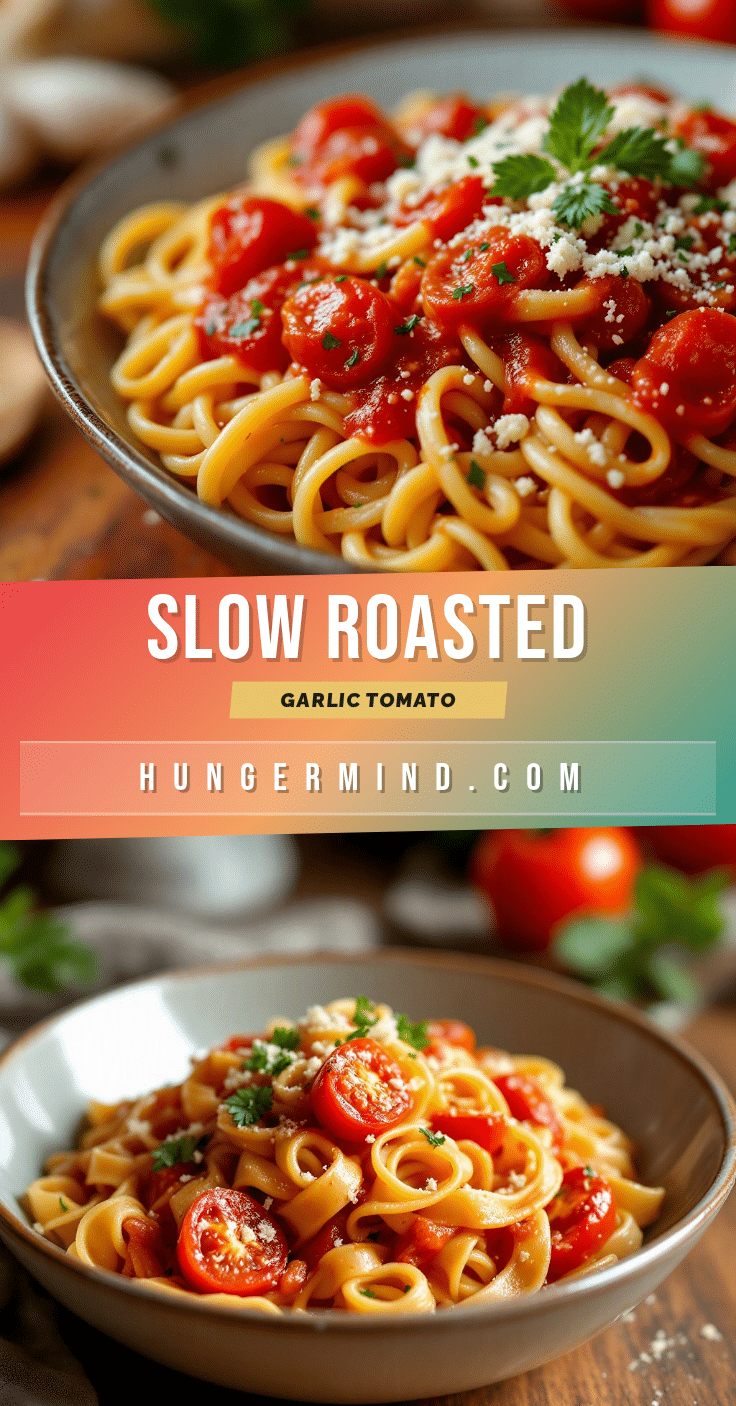
Best Slow Roasted Cherry Tomato Sauce with Garlic – Easy & Perfect

This slow roasted cherry tomato sauce is deep, complex, sweet without being sugary, and savory without being heavy. It’s a hands-off recipe that transforms simple ingredients into an unbelievably flavorful sauce perfect for pasta, pizza, eggs, or toast.
- Prep Time: 10 minutes
- Cook Time: 2 hours to 2 hours 30 minutes
- Total Time: 2 hours 10 minutes to 2 hours 40 minutes
- Yield: 4 servings 1x
- Category: Sauce
- Cuisine: Italian
Ingredients
- 2 pounds (900g) cherry or grape tomatoes
- 6 to 8 cloves garlic, peeled and smashed
- ¼ cup (60ml) extra virgin olive oil
- 1 teaspoon kosher salt (or ¾ teaspoon fine sea salt)
- ½ teaspoon black pepper, freshly ground
- 2 sprigs fresh basil or thyme (optional)
- 1 tablespoon balsamic vinegar (optional)
- Red pepper flakes (optional)
- Fresh basil leaves, torn, for serving
Instructions
- Preheat oven to 300°F (150°C). Rinse cherry tomatoes and pat dry. Halve each tomato lengthwise; small ones can stay whole.
- Line a baking sheet with parchment paper. Arrange tomato halves cut-side up in a single layer, leaving space between each. Scatter smashed garlic cloves and herb sprigs around the pan.
- Drizzle olive oil evenly over tomatoes and garlic. Sprinkle with salt and pepper. Toss gently with hands to coat, then rearrange tomatoes cut-side up.
- Roast on center rack for 60 minutes, then rotate pan. Continue roasting for another 60 to 90 minutes until tomatoes are shrunken, wrinkled, and caramelized, and garlic is soft enough to smash with a fork.
- Remove from oven and let cool 5 minutes. Pick out herb sprigs. Transfer roasted tomatoes, garlic, and all pan juices to a large skillet.
- Place skillet over medium heat. Use a potato masher or wooden spoon to break up tomatoes to desired consistency. Stir in balsamic vinegar and red pepper flakes if using. Simmer for 5 to 7 minutes, stirring occasionally, until sauce thickens slightly. Taste and adjust salt and pepper.
- Tear fresh basil leaves over sauce just before serving. Drizzle with extra olive oil if desired. Serve over pasta, on bread, or as a pizza base.
Notes
Don’t rush the temperature—300°F is key for deep, jammy sweetness without burning. Use a dark, rimmed baking sheet for better caramelization. Smash garlic cloves to expose more surface area. The sauce tastes even better the next day. For a creamier version, stir in ¼ cup cashew cream or coconut cream at the end. Freezes well for up to 3 months.
Nutrition
- Serving Size: ½ cup
- Calories: 120140
- Sugar: 6
- Sodium: 350400
- Fat: 10
- Saturated Fat: 1.5
- Carbohydrates: 10
- Fiber: 3
- Protein: 2
Keywords: slow roasted cherry tomato sauce, roasted tomato sauce, cherry tomato sauce, garlic tomato sauce, easy tomato sauce, homemade tomato sauce, vegan tomato sauce, gluten-free tomato sauce