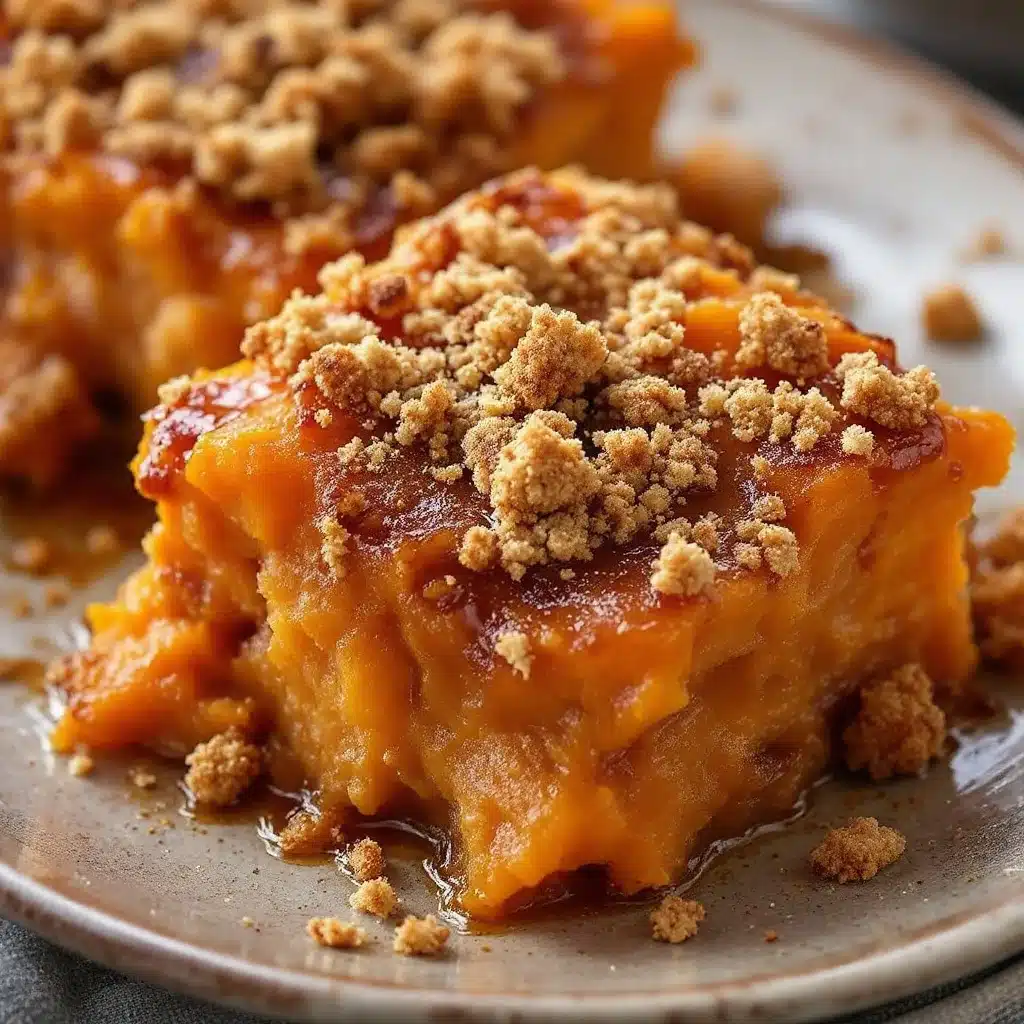
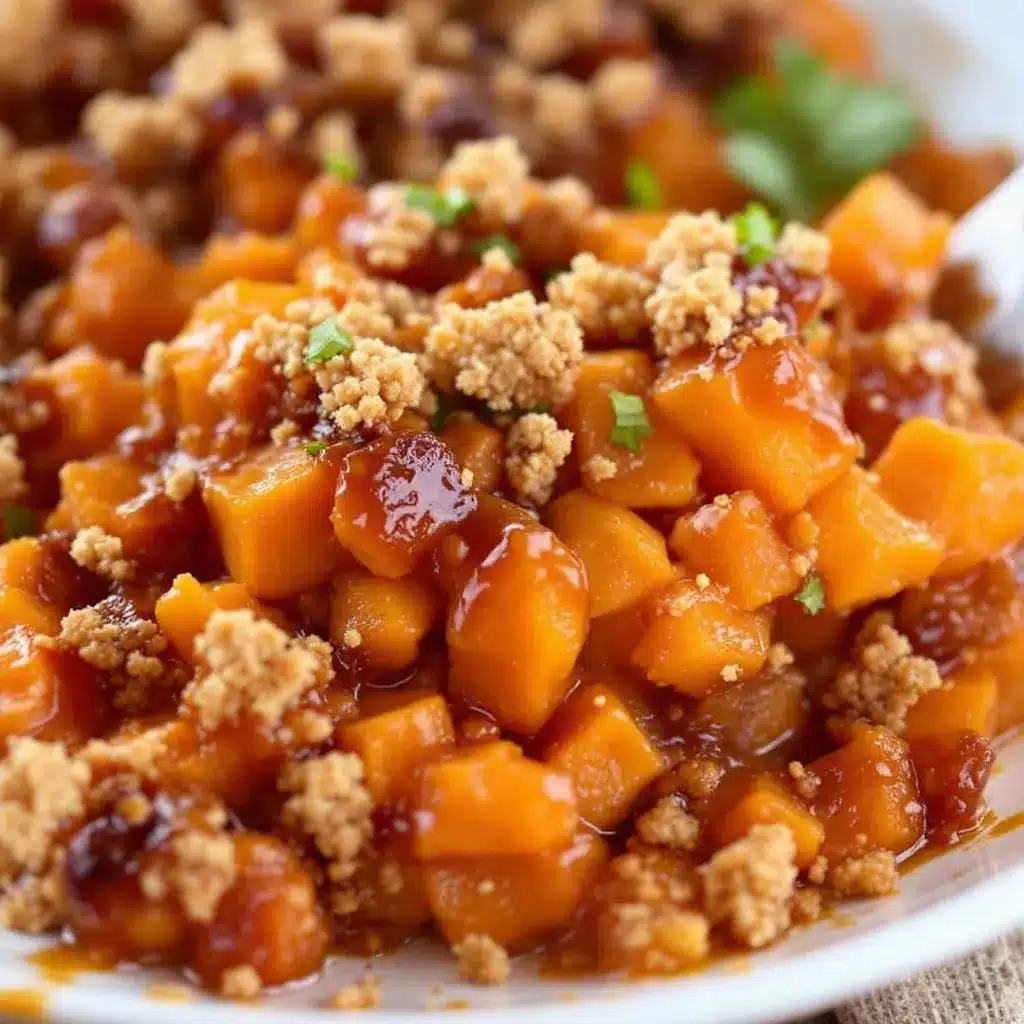
For the longest time, sweet potato casserole felt like a side dish that couldn’t quite decide what it wanted to be. Too sweet to sit next to the turkey, but too savory to pass for dessert. I had been looking for a version that actually let the sweet potato taste like, well, a sweet potato—without burying it under a mountain of marshmallows or sugary syrup. This brown sugar glazed sweet potato casserole is that answer.
It took a few Thanksgivings to get here, honestly. I tried the ones with the pecan streusel (good, but too much crunch), the ones with the marshmallow crust (fun, but sticky), and the ones that came out of a can (we don’t talk about that). What I wanted was something simple—a dish that felt special but didn’t require a dozen ingredients or a culinary degree. This recipe is that quiet middle ground. The brown sugar glaze caramelizes into a glossy, tender coating that hugs each slice of sweet potato. It’s sweet enough to feel like a treat, but restrained enough that you can still taste the earthiness of the potatoes underneath.
What makes this one stick is how unfussy it is. You don’t need to boil anything. You don’t need a mixer. You just slice, arrange, pour the glaze over the top, and let the oven do the work. The result is a dish that looks like you fussed over it for hours, when really you just let the ingredients do what they do best. It’s the kind of side dish that disappears first, even before the mashed potatoes. And honestly? That’s exactly what I was hoping for.
The first time I brought this to a Friendsgiving, someone asked for the recipe before they’d even finished their first helping. I knew then I’d found the one.
Why You’ll Love This Recipe
- Simple Ingredients: No marshmallows, no canned yams, no weird shortcuts. You probably already have everything in your pantry.
- Quick to Assemble: Active prep time is about 15 minutes. The oven does the heavy lifting after that.
- Perfect for Holidays: This is a natural fit for Thanksgiving, Christmas, Easter, or any cozy gathering where you need a reliable side dish.
- Crowd-Pleaser: It’s sweet enough for the kids, but balanced enough for the adults who prefer savory sides.
- Make-Ahead Friendly: You can prep it the day before and bake it right before serving. Total lifesaver on a busy holiday morning.
- Unbelievably Delicious: The brown sugar glaze creates a buttery, caramelized coating that makes every bite feel like a warm hug.
I’ve tested this recipe at four different holiday dinners and it’s never failed. Not once. The trick is in the glaze-to-potato ratio—enough to coat each slice without drowning it. And the texture? Silky, tender, with just a little bit of chew on the edges where the glaze gets sticky and dark. It’s comfort food that doesn’t try too hard, and that’s exactly why it works.
What Ingredients You Will Need
This recipe uses simple, wholesome ingredients to deliver bold flavor and satisfying texture without the fuss. Most of these are pantry staples, and the ones that aren’t are easy to find at any grocery store.
- Sweet Potatoes (4 medium, about 2.5 lbs / 1.1 kg) – Look for firm, unblemished potatoes with smooth skin. I prefer the orange-fleshed variety (the ones with the reddish-brown skin) for their natural sweetness and creamy texture. You can use yams here too, but the flavor will be slightly different.
- Unsalted Butter (1/2 cup, 1 stick / 113 g) – Use unsalted so you can control the salt level. If you only have salted butter, just reduce the added salt in the recipe by a pinch.
- Brown Sugar (1/2 cup packed / 100 g) – Light or dark brown sugar both work. Dark brown sugar gives a deeper, more molasses-forward flavor. I usually go with light brown for a milder sweetness.
- Heavy Cream (1/4 cup / 60 ml) – This adds richness to the glaze and helps it cling to the potatoes. You can substitute half-and-half in a pinch, but the glaze won’t be quite as velvety.
- Vanilla Extract (1 teaspoon / 5 ml) – Pure vanilla extract is best. It rounds out the sweetness and adds a warm, aromatic note.
- Ground Cinnamon (1/2 teaspoon) – Just enough to hint at warmth without overpowering the sweet potato flavor.
- Ground Nutmeg (1/4 teaspoon) – Freshly grated if you have it, but pre-ground works fine too.
- Salt (1/2 teaspoon) – Don’t skip this. Salt balances the sweetness and makes the sweet potato flavor pop.
- Optional Topping (1/2 cup chopped pecans or walnuts) – Adds crunch if you want it. I sometimes add them, sometimes skip them. Both versions are great.
Ingredient Selection Tip: For the sweetest, creamiest results, choose sweet potatoes that feel heavy for their size and have no soft spots. I’ve found that organic sweet potatoes tend to have a better texture, but conventional ones work perfectly too. If you’re prepping this for a holiday meal, buy your sweet potatoes a few days ahead—they store well at room temperature.
Substitution Guidance: For a dairy-free version, substitute the butter with vegan butter (I like Miyoko’s) and the heavy cream with full-fat coconut cream. The texture will be slightly different, but still delicious. If you’re cutting sugar, you can reduce the brown sugar to 1/3 cup, though the glaze will be thinner and less caramelized.
Equipment Needed
- Sharp Knife – A good chef’s knife makes slicing the sweet potatoes into even rounds much easier. Dull knives are dangerous and will give you uneven slices.
- Cutting Board – A large, stable board is essential. I prefer wood or bamboo because they’re gentler on knife blades.
- 9×13-inch Baking Dish – Glass or ceramic works best. Metal pans can react with the glaze and give it a slightly metallic taste.
- Small Saucepan – For making the brown sugar glaze on the stovetop. A heavy-bottomed pan prevents the sugar from burning.
- Whisk – For combining the glaze ingredients smoothly.
- Measuring Cups and Spoons – Accurate measurements matter here, especially for the brown sugar.
- Aluminum Foil – For covering the dish during the first part of baking to prevent the glaze from burning.
Budget-Friendly Tip: If you don’t have a 9×13-inch dish, you can use a similar-sized oven-safe skillet or even a cast-iron pan. Just keep an eye on the baking time—cast iron conducts heat differently and may cook faster.
Preparation Method
Step 1: Preheat and Prep
Preheat your oven to 375°F (190°C). Grease your 9×13-inch baking dish lightly with butter or non-stick spray. Peel the sweet potatoes and slice them into 1/4-inch (6 mm) thick rounds. Try to keep them as even as possible so they cook at the same rate. If some slices are thicker, they’ll be firmer; thinner ones will be softer. Both are fine, just be aware.
Step 2: Arrange the Sweet Potatoes
Layer the sweet potato slices in the prepared baking dish, overlapping them slightly like shingles on a roof. This isn’t just for looks—overlapping helps the glaze coat every piece evenly and creates those lovely caramelized edges. Don’t pack them too tightly; you want some space for the glaze to bubble up between the slices.
Step 3: Make the Brown Sugar Glaze
In a small saucepan over medium heat, melt the butter. Add the brown sugar, heavy cream, vanilla extract, cinnamon, nutmeg, and salt. Whisk continuously until the sugar is fully dissolved and the mixture is smooth and bubbling gently—about 2 to 3 minutes. Don’t walk away from this; brown sugar can burn quickly if left unattended. The glaze should be a deep amber color and smell like caramel.
Step 4: Pour the Glaze
Pour the hot glaze evenly over the sweet potato slices. Use a spatula to scrape every last bit out of the pan—you don’t want to waste any of that goodness. Tilt the dish slightly to make sure the glaze seeps down between the layers. If you’re adding pecans or walnuts, sprinkle them over the top now.
Step 5: Bake Covered
Cover the dish tightly with aluminum foil and bake for 30 minutes. The foil traps steam, which helps the sweet potatoes cook through and become tender without drying out. Your kitchen will smell incredible at this point—like a bakery and a holiday dinner rolled into one.
Step 6: Bake Uncovered
Remove the foil and bake for another 20 to 25 minutes, or until the sweet potatoes are fork-tender and the glaze is thick, bubbly, and caramelized around the edges. If you want a deeper caramelization, you can broil for the last 2 to 3 minutes—just watch it closely so it doesn’t burn.
Step 7: Rest and Serve
Let the casserole rest for 5 to 10 minutes before serving. This allows the glaze to set slightly and makes it easier to serve without it sliding around. The sweet potatoes will be tender, the glaze will be sticky and glossy, and every bite will be pure comfort.
Sensory Cue: When you insert a fork into the thickest slice, it should slide in with almost no resistance. The glaze should be thick enough to coat the back of a spoon but still pourable. If it looks too thin after baking, let it rest a few more minutes—it will thicken as it cools.
Cooking Tips & Techniques
Slice Evenly for Even Cooking
I learned this the hard way after one batch came out with half the potatoes mushy and the other half still crunchy. Use a sharp knife and take your time. If you have a mandoline slicer, this is the perfect time to use it—it’ll give you perfectly uniform slices in seconds. Just watch your fingers.
Don’t Skip the Foil
The first time I made this, I thought I could skip the foil and save a step. Big mistake. The glaze burned on top before the sweet potatoes were fully cooked. The foil creates a steamy environment that cooks the potatoes through gently. Without it, you end up with a burnt top and raw center.
Let It Rest
I know it’s tempting to dig in right away, but letting the casserole rest is non-negotiable. The glaze needs a few minutes to set so it doesn’t run all over the plate. Plus, the sweet potatoes continue to cook slightly from residual heat, becoming even more tender.
Double the Glaze If You Like Extra Sauce
Some people (me included) love extra glaze to spoon over each serving. If that’s you, feel free to multiply the glaze ingredients by 1.5. Just be aware that the casserole will be sweeter and the baking time might increase slightly because there’s more liquid.
Test for Doneness with a Knife
A fork is fine, but a thin knife gives you a better sense of the texture. Insert it into the center of the thickest slice. If it goes in smoothly with no resistance, you’re done. If it meets any resistance, give it another 5 minutes and check again.
Variations & Adaptations
Vegan Version
Substitute the butter with vegan butter and the heavy cream with full-fat coconut cream. The coconut flavor is subtle and actually pairs beautifully with the sweet potatoes and brown sugar. I’ve made this for vegan friends and they couldn’t tell the difference.
Maple Bourbon Twist
Replace 2 tablespoons of the brown sugar with maple syrup and add 1 tablespoon of bourbon to the glaze. The bourbon adds a smoky warmth that’s incredible with the sweet potatoes. Just cook the glaze a little longer to burn off the alcohol—about 4 minutes instead of 2.
Savory-Sweet Version
Add 1/2 teaspoon of smoked paprika and a pinch of cayenne pepper to the glaze. The smokiness balances the sweetness and gives the dish a subtle kick. This version is great alongside roasted pork or grilled chicken.
Make It Ahead
Assemble the entire casserole (without the topping) up to 24 hours in advance. Cover and refrigerate. When you’re ready to bake, add 10 to 15 minutes to the covered baking time since you’re starting from cold. The glaze might separate slightly in the fridge, but just stir it gently before baking.
Individual Servings
For a fancy presentation, layer the sweet potatoes and glaze in individual ramekins or small baking dishes. Reduce the baking time to about 20 minutes covered and 15 minutes uncovered. These are perfect for dinner parties where everyone gets their own little dish.
Serving & Storage Suggestions
Serve this casserole warm, straight from the oven. The glaze is at its best when it’s still glossy and slightly runny. I like to spoon a little extra glaze from the bottom of the dish over each serving. It pairs beautifully with roasted turkey, honey-glazed ham, or even a simple roast chicken. For a holiday spread, I always put it next to the fresh autumn harvest salad with maple vinaigrette—the brightness of the salad cuts through the richness of the casserole perfectly.
Leftovers keep well in an airtight container in the refrigerator for up to 4 days. The sweet potatoes will absorb some of the glaze overnight, making them even more tender and flavorful. I actually love leftovers more than the fresh version for this reason—the flavors meld together beautifully.
Reheating Instructions: The best way to reheat is in a 350°F (175°C) oven for about 15 minutes, covered with foil to prevent drying out. You can also microwave individual portions for 1 to 2 minutes, though the texture won’t be quite as good. If the glaze seems too thick after refrigeration, add a splash of cream or milk before reheating.
Freezing: You can freeze the assembled but unbaked casserole for up to 3 months. Wrap the dish tightly in plastic wrap and then aluminum foil. Thaw in the refrigerator overnight before baking as directed. The texture of the sweet potatoes might be slightly softer after freezing, but the flavor will still be excellent.
If you’re looking for another holiday side that travels well, try the crispy za’atar roasted cauliflower with pomegranate and herbs. It’s a great contrast to the sweetness of this casserole.
Nutritional Information & Benefits
Here’s the estimated nutritional breakdown per serving (based on 8 servings, without the optional nut topping):
| Nutrient | Amount per Serving |
|---|---|
| Calories | 285 |
| Total Fat | 14g |
| Saturated Fat | 9g |
| Carbohydrates | 38g |
| Fiber | 4g |
| Sugar | 22g |
| Protein | 3g |
| Vitamin A | 380% DV |
| Vitamin C | 25% DV |
| Potassium | 540mg |
Sweet potatoes are a nutritional powerhouse—they’re loaded with beta-carotene (which your body converts to vitamin A), fiber, and potassium. The brown sugar and butter add richness, but this dish is still a healthier choice than many holiday sides. If you’re watching your sugar intake, you can reduce the brown sugar to 1/3 cup without sacrificing too much flavor.
This recipe is naturally gluten-free and can be made dairy-free with the substitutions mentioned above. It’s also vegetarian-friendly as written. For a lower-calorie version, you can reduce the butter to 1/4 cup and use half-and-half instead of heavy cream.
Conclusion
This brown sugar glazed sweet potato casserole has become my go-to holiday side dish for one simple reason: it works. Every time. The sweet potatoes come out tender, the glaze is perfectly caramelized, and the whole thing comes together with minimal fuss. It’s the kind of recipe that makes you look like you spent hours in the kitchen when really you just let the ingredients shine.
I love that you can customize it to your taste—add nuts, spice it up, or keep it simple. There’s no wrong way to make it, as long as you don’t skip the foil and let it rest before serving. Those two steps make all the difference.
If you try this recipe, I’d love to hear how it turns out. Leave a comment below and let me know if you added any twists of your own. Did you go with the maple bourbon version? Or did you keep it classic? Either way, I hope this casserole finds a permanent spot on your holiday table. It’s earned one on mine.
Now go preheat that oven. Your sweet potatoes are waiting.
Frequently Asked Questions
Can I use canned sweet potatoes for this recipe?
You can, but I wouldn’t recommend it. Canned sweet potatoes are much softer and tend to fall apart during baking. The texture won’t be the same, and they’ll release extra liquid that will thin out the glaze. Fresh sweet potatoes really are worth the extra few minutes of prep.
Do I have to peel the sweet potatoes?
Yes, for this recipe I recommend peeling them. The skin can become tough during baking and doesn’t absorb the glaze as well. If you really want to keep the skin on for extra fiber, make sure to scrub them thoroughly and slice them very thin—about 1/8 inch—so the skin softens enough.
Can I make this casserole in a slow cooker?
I’ve tested this in a slow cooker and it works, but the texture is different. The sweet potatoes come out much softer and the glaze doesn’t caramelize the same way. If you want to try it, layer the sweet potatoes and glaze in the slow cooker and cook on low for 4 to 5 hours. Remove the lid for the last 30 minutes to let the glaze thicken.
Why did my glaze turn out grainy?
Grainy glaze usually means the sugar didn’t fully dissolve. Make sure you whisk the glaze continuously over medium heat until the sugar is completely melted before pouring it over the sweet potatoes. If you’re in a humid environment, the sugar can also crystallize—adding a teaspoon of corn syrup or honey to the glaze can help prevent this.
How do I prevent the sweet potatoes from being watery?
If your sweet potatoes release too much water, it can dilute the glaze. To prevent this, don’t wash them until right before you slice them (excess moisture can soak in). Also, make sure your baking dish isn’t overcrowded—the slices need a little space for steam to escape. If your casserole still turns out watery, you can remove the foil for the last 10 minutes of baking to let the excess liquid evaporate.
Pin This Recipe!
Best Brown Sugar Glazed Sweet Potato Casserole Recipe

This brown sugar glazed sweet potato casserole is a simple, unfussy side dish that lets the sweet potato shine. A glossy, caramelized brown sugar glaze coats tender slices of sweet potato, creating a dish that’s sweet enough for a treat but balanced enough for a holiday table.
- Prep Time: 15 minutes
- Cook Time: 50 minutes
- Total Time: 1 hour 5 minutes
- Yield: 8 servings 1x
- Category: Side Dish
- Cuisine: American
Ingredients
- 4 medium sweet potatoes (about 2.5 lbs / 1.1 kg)
- 1/2 cup (1 stick / 113 g) unsalted butter
- 1/2 cup packed (100 g) brown sugar (light or dark)
- 1/4 cup (60 ml) heavy cream
- 1 teaspoon (5 ml) vanilla extract
- 1/2 teaspoon ground cinnamon
- 1/4 teaspoon ground nutmeg
- 1/2 teaspoon salt
- 1/2 cup chopped pecans or walnuts (optional)
Instructions
- Preheat your oven to 375°F (190°C). Grease a 9×13-inch baking dish lightly with butter or non-stick spray.
- Peel the sweet potatoes and slice them into 1/4-inch (6 mm) thick rounds.
- Layer the sweet potato slices in the prepared baking dish, overlapping them slightly like shingles on a roof.
- In a small saucepan over medium heat, melt the butter. Add the brown sugar, heavy cream, vanilla extract, cinnamon, nutmeg, and salt. Whisk continuously until the sugar is fully dissolved and the mixture is smooth and bubbling gently, about 2 to 3 minutes.
- Pour the hot glaze evenly over the sweet potato slices. Use a spatula to scrape every last bit out of the pan. Tilt the dish slightly to make sure the glaze seeps down between the layers. If adding nuts, sprinkle them over the top now.
- Cover the dish tightly with aluminum foil and bake for 30 minutes.
- Remove the foil and bake for another 20 to 25 minutes, or until the sweet potatoes are fork-tender and the glaze is thick, bubbly, and caramelized around the edges. For deeper caramelization, broil for the last 2 to 3 minutes, watching closely.
- Let the casserole rest for 5 to 10 minutes before serving.
Notes
For even cooking, slice sweet potatoes uniformly. Don’t skip the foil covering—it prevents the glaze from burning before the potatoes are tender. Let the casserole rest before serving to allow the glaze to set. For extra glaze, multiply the glaze ingredients by 1.5. To make ahead, assemble the casserole (without topping) up to 24 hours in advance, refrigerate, and add 10-15 minutes to the covered baking time.
Nutrition
- Serving Size: 1 serving (1/8 of re
- Calories: 285
- Sugar: 22
- Sodium: 210
- Fat: 14
- Saturated Fat: 9
- Carbohydrates: 38
- Fiber: 4
- Protein: 3
Keywords: sweet potato casserole, brown sugar glaze, holiday side dish, Thanksgiving side, easy sweet potato recipe, gluten-free side dish, vegetarian side dish