Introduction
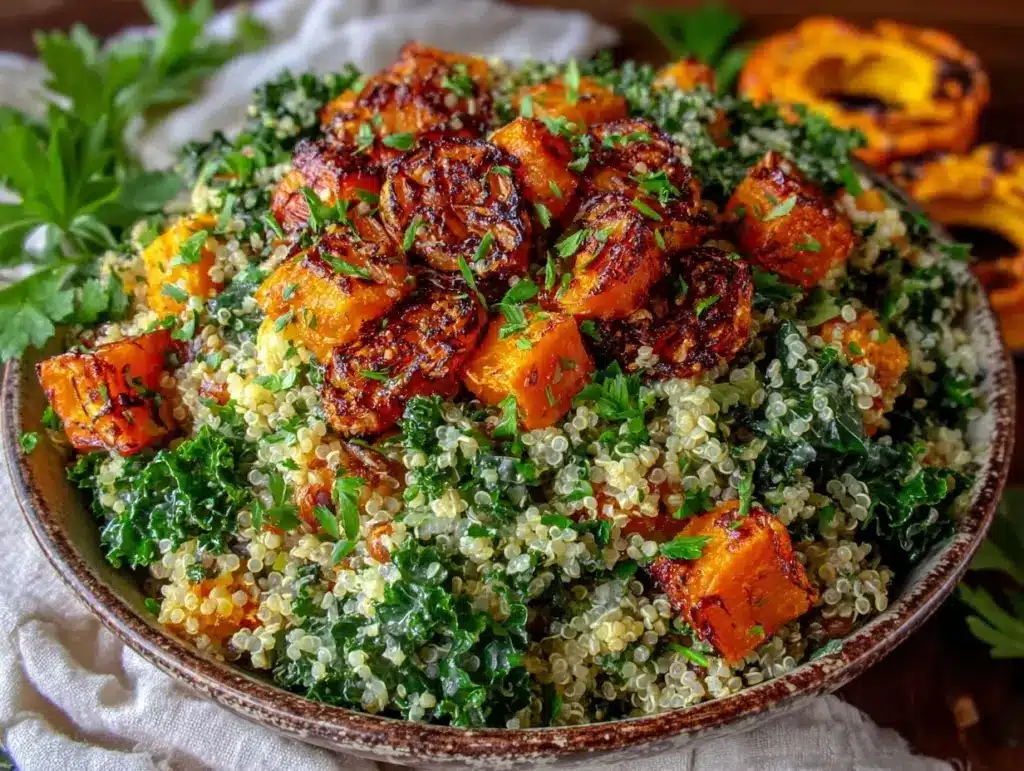
Imagine this: the rich, sweet aroma of roasted butternut squash mingling with nutty quinoa, earthy kale, and a hint of garlic wafting through your kitchen (it’s the kind of smell that makes you pause mid-scroll and just soak it all in). The first time I pulled my Wholesome Quinoa Pilaf with Roasted Butternut Squash & Kale out of the oven, I was instantly hooked. The golden squash cubes glistened among vibrant ribbons of kale—so inviting, I couldn’t resist sneaking a forkful before dinner was officially served.
When I was knee-high to a grasshopper, my grandma used to make pilaf with whatever grains and veggies were on hand—sometimes rice, sometimes barley, always a dash of love. Years later, craving that same comfort on a chilly autumn day, I stumbled on the magic of combining quinoa with roasted butternut squash and kale. Let’s face it, the combo packs a punch: hearty, colorful, nourishing, and just the right amount of cozy. Honestly, I wish I’d thought to blend these flavors years ago (it would’ve saved me so many bland salad nights!).
My family couldn’t stop sneaking bites off the tray as it cooled—my youngest declared it “the best dinner ever” (and he’s usually suspicious of anything green). Whether you’re looking for a vibrant side for a potluck, a nutritious weeknight meal, or something to brighten up your Pinterest dinner board, this quinoa pilaf recipe delivers pure, nostalgic comfort. I’ve tested it more times than I can count—in the name of research, of course—and it’s now a staple for family gatherings, gifting, and those days when you want dinner to feel like a warm hug. Trust me, you’re going to want to bookmark this one.
Why You’ll Love This Recipe
There’s something about a steaming scoop of quinoa pilaf that just feels right—especially when packed with roasted butternut squash and kale. After countless kitchen trials and a few “oops” moments, I’ve honed this recipe to be a go-to for busy evenings, cozy lunches, and everything in between. Here’s why you’ll fall head over heels for this wholesome quinoa pilaf recipe:
- Quick & Easy: Comes together in under 45 minutes, making it perfect for busy weeknights or when your pantry’s looking a little bare.
- Simple Ingredients: No fancy grocery trips needed—most of the ingredients are pantry staples or easy to find at any market.
- Perfect for Any Occasion: Whether it’s a family potluck, a healthy side for holiday dinners, or a comforting solo meal, this pilaf fits the bill.
- Crowd-Pleaser: Kids and adults alike rave about the mix of sweet squash, tender kale, and fluffy quinoa.
- Unbelievably Delicious: The texture and flavor combo is next-level comfort food—nutty quinoa, caramelized squash, and bright kale make every bite memorable.
What sets this quinoa pilaf recipe apart? I use roasted butternut squash for maximum caramelization (no soggy veggies here), and toss the kale in at the last minute to keep it vibrant—not wilted. There’s a splash of lemon for brightness and toasted pine nuts for crunch. I’ve tried all sorts of tweaks over the years—swapping grains, adding cheese, even a spicy version—but this is my best version yet.
It’s the kind of meal that makes you close your eyes after the first bite, savoring the sweet squash and earthy kale. Comfort food, reimagined—healthier, quicker, and still brimming with soul-soothing satisfaction. You can impress guests without breaking a sweat, or just turn an ordinary Tuesday into something you’ll actually look forward to. For real, you’ll want to make extra for leftovers (if there’s any left at all!).
What Ingredients You Will Need
This quinoa pilaf recipe uses wholesome, everyday ingredients to deliver bold flavor and satisfying texture without fuss. Most are pantry staples or easy to grab at your local store, and you can swap things out based on what you have. Here’s what you’ll need:
- For the roasted vegetables:
- Butternut squash, peeled and cut into ½-inch cubes (about 2 cups / 300g) – choose firm, vibrant squash for best roasting results
- Extra virgin olive oil (2 tablespoons / 30ml) – helps caramelize the veggies
- Kosher salt (½ teaspoon / 3g) – brings out natural sweetness
- Black pepper (¼ teaspoon / 1g) – adds gentle heat
- Smoked paprika (optional, ½ teaspoon / 1g) – for a touch of smokiness
- For the quinoa pilaf base:
- Quinoa, rinsed (1 cup / 185g) – I like using white quinoa for a lighter texture, but tricolor works too
- Vegetable broth or water (2 cups / 480ml) – broth gives extra flavor
- Yellow onion, finely diced (1 small / about 100g) – sweet and mild
- Garlic cloves, minced (2 large / about 10g) – aromatic punch
- Bay leaf (1) – traditional pilaf ingredient; remove before serving
- Finishing touches:
- Kale, destemmed and chopped (2 cups / 75g) – curly or lacinato both work well
- Lemon juice (from ½ lemon / about 1 tablespoon / 15ml) – adds brightness
- Pine nuts, toasted (¼ cup / 30g) – swap for slivered almonds if you prefer
- Fresh parsley, chopped (2 tablespoons / 8g) – optional, for freshness
- Crumbled feta cheese (¼ cup / 40g, optional) – for a creamy, tangy finish
Ingredient notes & swaps: If butternut squash isn’t in season, sweet potatoes make a lovely substitute. You can use baby spinach instead of kale for a milder green. For vegan, skip the cheese, or swap for a plant-based feta. I recommend Bob’s Red Mill quinoa for consistency, and look for organic kale if possible (it’s often less bitter!). Almonds or walnuts work for crunch, and use gluten-free broth if needed. Honestly, this recipe is forgiving—work with what you have, and don’t be afraid to get creative!
Equipment Needed
To whip up this quinoa pilaf recipe, you don’t need a fancy kitchen setup—just a few trusty basics. Here’s what I use (and some budget-friendly alternatives):
- Baking sheet – for roasting butternut squash; a rimmed sheet helps keep things tidy
- Parchment paper or silicone baking mat – makes cleanup a breeze and prevents sticking
- Medium saucepan with lid – for cooking quinoa; if you only have a pot, just cover with foil in a pinch
- Sharp chef’s knife – makes prepping squash and kale way easier (I sharpen mine before big chopping jobs)
- Cutting board – I use a large one to wrangle all the veggies
- Wooden spoon or silicone spatula – great for sautéing onions, fluffing quinoa
- Small skillet – for toasting pine nuts; watch them closely, they burn fast!
- Large serving bowl – for tossing everything together
If you’re missing a baking sheet, a glass casserole dish works in a pinch. For toasting nuts, you can use your oven—just spread them out and keep an eye on them. I’ve used nonstick pans, stainless, and even a vintage enamel pot from my grandma (still works!). Just make sure your saucepan has a good-fitting lid for fluffy quinoa. For cleanup, silicone mats are a lifesaver. You don’t need expensive gadgets—just solid basics and a bit of elbow grease.
Preparation Method
- Prep the butternut squash: Preheat your oven to 400°F (200°C). Peel and chop the butternut squash into ½-inch (1.5cm) cubes. Toss with 2 tablespoons (30ml) olive oil, ½ teaspoon (3g) kosher salt, ¼ teaspoon (1g) black pepper, and ½ teaspoon smoked paprika (if using). Spread evenly on a parchment-lined baking sheet. Roast for 25-30 minutes, turning once halfway, until the edges are caramelized and a fork slides in easily. (Tip: Don’t overcrowd the pan—if the cubes are too close, they’ll steam instead of roast.)
- Cook the quinoa: Rinse 1 cup (185g) quinoa under cold water using a fine mesh sieve—this removes bitterness. In a medium saucepan, heat 1 tablespoon olive oil (or skip for oil-free) over medium. Add diced onion (1 small, 100g) and sauté until soft, about 3-4 minutes. Stir in minced garlic (2 cloves, 10g) and cook for another 30 seconds, just until fragrant. Add rinsed quinoa, 2 cups (480ml) vegetable broth (or water), and bay leaf. Bring to a boil, then cover and reduce heat to low. Simmer for 15 minutes, until liquid is absorbed and quinoa is tender. Remove from heat and let sit, covered, for 5 minutes.
- Prepare the kale: While quinoa cooks, destem and chop kale (2 cups, 75g). Massage briefly with a squeeze of lemon juice and pinch of salt—this softens the leaves and mellows bitterness. (Honestly, it makes all the difference.)
- Toast the pine nuts: In a small skillet over medium-low, toast ¼ cup (30g) pine nuts for 2-3 minutes, stirring often, until fragrant and lightly browned. Remove from heat immediately (they can go from golden to burnt in seconds!).
- Finish the pilaf: Fluff the cooked quinoa with a fork and discard the bay leaf. Fold in roasted butternut squash and chopped kale. Add 1 tablespoon (15ml) fresh lemon juice and most of the toasted pine nuts. Taste and adjust seasoning—add more salt, pepper, or lemon as needed. (If you love extra tang, a sprinkle of feta cheese is magic.)
- Serve: Transfer pilaf to a large bowl or platter. Top with remaining pine nuts, chopped parsley (2 tablespoons, 8g), and crumbled feta (¼ cup, 40g), if using. Serve warm or at room temperature.
Troubleshooting tips: If quinoa is mushy, reduce liquid next time or cook uncovered for last minute. If squash seems dry, drizzle a touch more olive oil. For picky eaters, try chopping kale extra fine. Visual cues: quinoa should look fluffy, not clumpy; squash should have slightly crispy edges. Efficiency tip: Roast squash while prepping other ingredients.
Cooking Tips & Techniques
If you want your quinoa pilaf recipe to shine, a few tried-and-true techniques make all the difference. Over the years, I’ve had my share of sticky quinoa, burnt nuts, and wilted greens (oops!). Here’s what I’ve learned:
- Perfect quinoa: Rinse it well! This step gets rid of a natural coating called saponin, which can make quinoa taste bitter. Use a fine mesh sieve—trust me, skipping this makes a world of difference.
- Roasting the squash: Use high heat and spread the cubes out in a single layer. Crowding leads to steaming, not roasting. If you want deeper caramelization, let the squash roast untouched for the first half, then flip.
- Massaging kale: A quick squeeze with lemon and salt helps break down tough fibers and brings out sweetness. The first time I tried this, I thought it was silly—now, I never skip it.
- Toasting nuts: Keep a close eye and stir constantly; pine nuts burn fast. If you’re multitasking (which I always am), set a timer so you don’t forget!
- Timing: Start roasting squash first, then prep quinoa, kale, and nuts while it cooks. Multitasking like this keeps things moving—so dinner hits the table faster.
- Consistency: If you want fluffy pilaf, let the quinoa steam for 5 minutes after cooking, then fluff with a fork (not a spoon). This keeps grains separate and light.
Common mistakes? Using too much liquid, skipping the rinse, or forgetting to taste for seasoning at the end (been there!). And don’t be shy about adjusting flavors—extra lemon or salt can really wake up the dish. My best advice: don’t rush the roasting, and don’t be afraid to tweak the add-ins. That’s how you make this quinoa pilaf recipe truly your own!
Variations & Adaptations
One of my favorite things about this quinoa pilaf recipe is how easy it is to customize. Here are a few ways you can switch things up (trust me, I’ve tried them all!):
- Dietary swaps: Make it vegan by skipping the feta or using a plant-based cheese. For nut allergies, substitute pumpkin seeds or sunflower seeds for pine nuts—they add great crunch.
- Seasonal twists: In spring, swap butternut squash for roasted asparagus or baby carrots. In winter, try sweet potatoes or parsnips. I even used roasted beets once for a punch of color (so pretty for holiday tables!).
- Flavor boosters: Toss in dried cranberries, chopped apricots, or a sprinkle of cinnamon for a sweet touch. For extra protein, add cooked chickpeas or shredded rotisserie chicken.
- Different cooking methods: Don’t have an oven? Sauté squash cubes in a skillet until golden and tender. You can also cook the whole pilaf in an Instant Pot—just use the sauté function for veggies, then switch to pressure for quinoa.
- Customizing greens: Swap kale for baby spinach, chard, or arugula based on your taste. For a milder flavor, try using a mix of greens.
My personal favorite variation: roasted sweet potato chunks, baby spinach, and a handful of dried cranberries for a Thanksgiving-inspired twist. The kids love it with extra feta, and my husband likes a dash of chili flakes for heat. Honestly, the possibilities are endless—just mix and match with what’s in your fridge!
Serving & Storage Suggestions
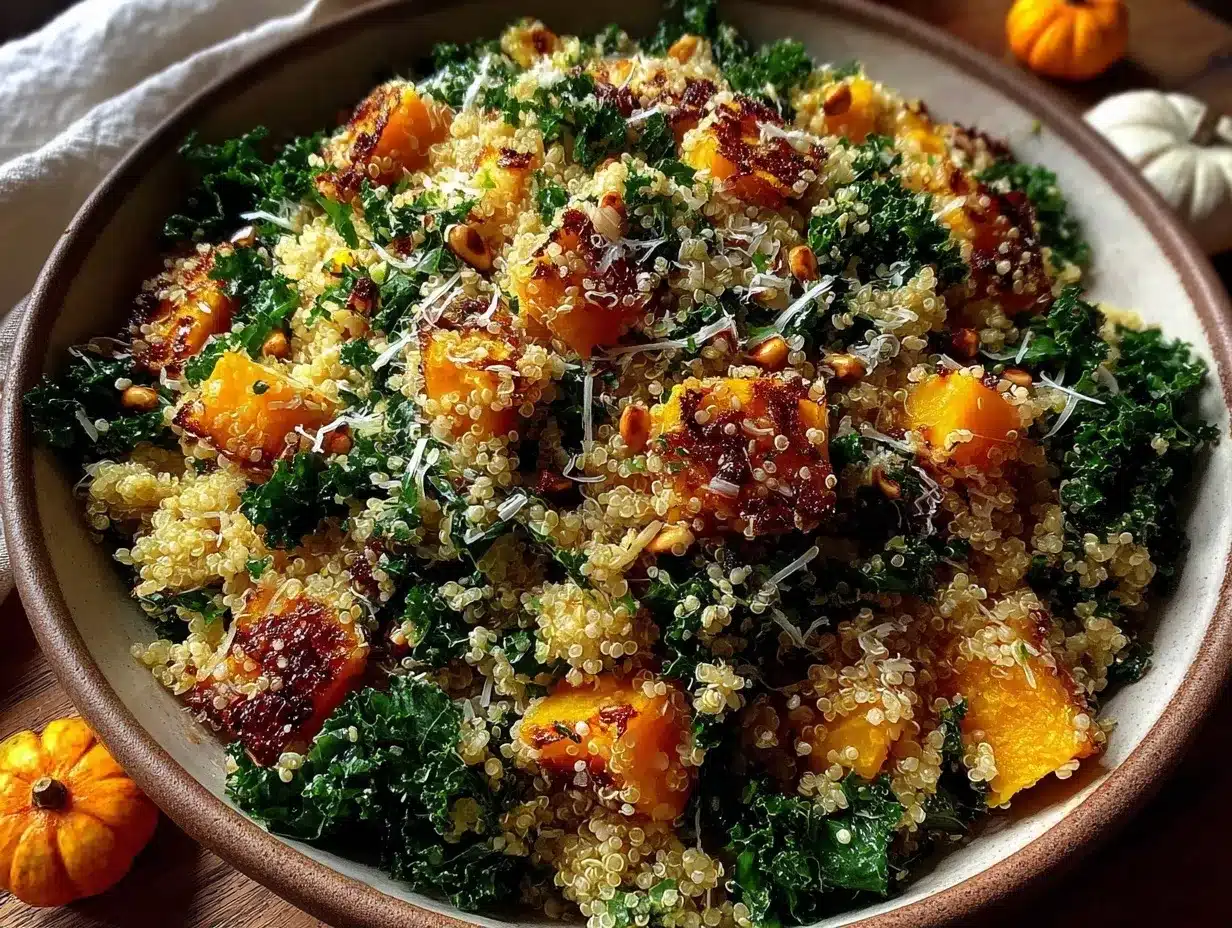
This quinoa pilaf recipe tastes best served warm, but honestly, it’s just as good at room temperature—perfect for picnics or lunchboxes. Spoon it into a big, shallow bowl for serving, sprinkle with extra pine nuts and parsley, and watch the colors pop! Pair with grilled chicken, salmon, or a simple green salad for a complete meal (a squeeze of lemon or splash of balsamic on the side is lovely).
For beverages, I like pairing with herbal iced tea or a crisp Sauvignon Blanc. If you’re making this for a holiday spread, it sits beautifully next to roasted turkey or glazed ham.
Storage: Leftovers keep well in an airtight container in the fridge for 3-4 days. The flavors actually deepen overnight—kale softens, and the squash gets sweeter. For meal prep, portion into containers for grab-and-go lunches. To freeze, cool completely, then transfer to freezer-safe bags (up to 2 months). Thaw overnight in the fridge, then reheat gently in the microwave or on the stovetop with a splash of water to keep it moist.
Reheating: Warm in the microwave (cover with a damp towel to prevent drying) or on the stove over low heat, stirring often. Add a drizzle of olive oil or squeeze of lemon to freshen up leftovers. Honestly, it’s one of those dishes that somehow tastes even better the next day!
Nutritional Information & Benefits
This quinoa pilaf recipe is not just tasty—it’s packed with nutrition. Each serving (about 1 cup) provides approximately:
- Calories: 320
- Protein: 10g
- Fiber: 6g
- Fat: 12g (mostly healthy fats from olive oil and nuts)
- Carbs: 44g
- Vitamin A, C, and magnesium from squash and kale
Quinoa is a complete protein, making this recipe great for vegetarians. Butternut squash offers beta-carotene for eye health and immune support, and kale brings loads of antioxidants. Pine nuts add healthy fats for satiety. If you skip cheese, it’s dairy-free; use gluten-free broth for a totally gluten-free dish. Allergens: contains tree nuts (pine nuts) and dairy (feta, if used)—swap as needed.
From a wellness angle, this pilaf is hearty but light, filling without feeling heavy. It ticks all the boxes for plant-based eating, and honestly, it’s one of the few “healthy” dinners my family actually requests!
Conclusion
If you’re looking for a dinner that’s nourishing, colorful, and seriously delicious, this quinoa pilaf recipe delivers every time. Roasted butternut squash and kale give it that cozy, homemade feel, while quinoa keeps things light and protein-packed. Whether you’re serving it for a weeknight meal, holiday feast, or meal prepping for the week, it’s flexible, forgiving, and always a hit.
Don’t be afraid to tweak the veggies, nuts, or greens based on what you love (or what’s lurking in your fridge). That’s the beauty of a good pilaf—it’s endlessly adaptable. Personally, I love how this recipe brings together sweet, savory, and nutty flavors in every bite. It’s the kind of meal that makes you smile, fills you up, and leaves you feeling good.
If you try this quinoa pilaf recipe, I’d love to hear how you make it your own—drop a comment below, share your adaptations, or tag me on Pinterest with your colorful creations. Here’s to more dinners that feel like a warm hug—happy cooking!
Frequently Asked Questions
Can I make this quinoa pilaf recipe ahead of time?
Absolutely! You can prepare everything in advance and store in the fridge for up to 4 days. The flavors actually get better as they mingle overnight.
Is this quinoa pilaf gluten-free?
Yes, as long as you use gluten-free vegetable broth, this recipe is naturally gluten-free since quinoa is a seed, not a grain.
What can I use instead of butternut squash?
Sweet potatoes, carrots, or parsnips work well as substitutes. Just roast them the same way for similar sweetness and texture.
Can I use spinach instead of kale?
Definitely! Baby spinach is a great swap for kale—just add it at the very end so it doesn’t wilt too much.
How do I prevent quinoa from tasting bitter?
Rinse quinoa thoroughly in a fine mesh sieve under cold water before cooking—this removes the natural coating that can make it taste bitter. Don’t skip this step!
Pin This Recipe!
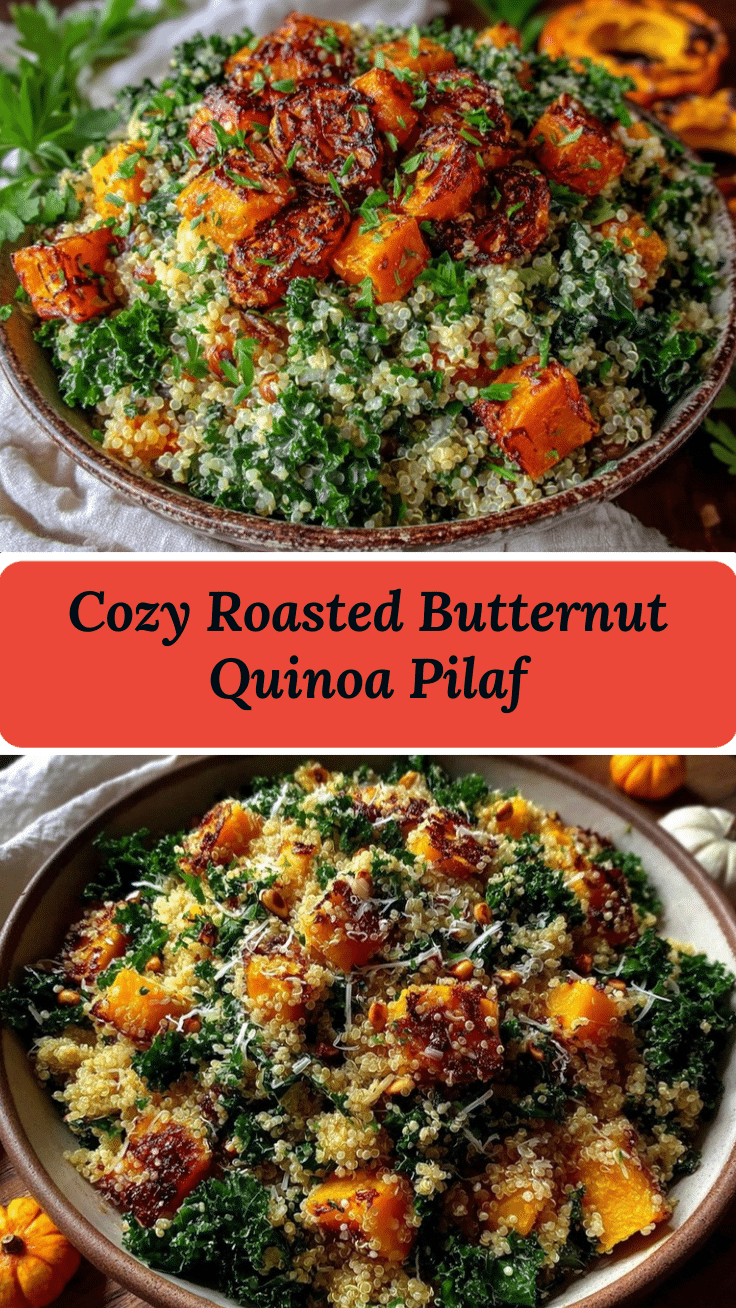
Quinoa Pilaf Recipe: Easy Roasted Butternut Squash & Kale Dinner

This wholesome quinoa pilaf features roasted butternut squash, earthy kale, and nutty quinoa tossed with lemon and toasted pine nuts for a cozy, nutritious dinner or vibrant side. It’s quick, flexible, and packed with flavor—perfect for busy weeknights or festive gatherings.
- Prep Time: 15 minutes
- Cook Time: 30 minutes
- Total Time: 45 minutes
- Yield: 4 servings 1x
- Category: Main Course
- Cuisine: American
Ingredients
- 2 cups butternut squash, peeled and cut into 1/2-inch cubes (about 300g)
- 2 tablespoons extra virgin olive oil
- 1/2 teaspoon kosher salt
- 1/4 teaspoon black pepper
- 1/2 teaspoon smoked paprika (optional)
- 1 cup quinoa, rinsed (about 185g)
- 2 cups vegetable broth or water
- 1 small yellow onion, finely diced (about 100g)
- 2 large garlic cloves, minced (about 10g)
- 1 bay leaf
- 2 cups kale, destemmed and chopped (about 75g)
- 1 tablespoon lemon juice (from 1/2 lemon)
- 1/4 cup pine nuts, toasted (about 30g)
- 2 tablespoons fresh parsley, chopped (about 8g, optional)
- 1/4 cup crumbled feta cheese (about 40g, optional)
Instructions
- Preheat oven to 400°F (200°C). Peel and chop butternut squash into 1/2-inch cubes. Toss with olive oil, salt, pepper, and smoked paprika (if using). Spread on a parchment-lined baking sheet and roast for 25-30 minutes, turning once halfway, until caramelized and tender.
- Rinse quinoa under cold water using a fine mesh sieve. In a medium saucepan, heat 1 tablespoon olive oil over medium (optional for oil-free). Sauté diced onion for 3-4 minutes until soft. Add minced garlic and cook for 30 seconds until fragrant.
- Add rinsed quinoa, vegetable broth (or water), and bay leaf. Bring to a boil, cover, and reduce heat to low. Simmer for 15 minutes until liquid is absorbed and quinoa is tender. Remove from heat and let sit, covered, for 5 minutes.
- While quinoa cooks, destem and chop kale. Massage briefly with a squeeze of lemon juice and a pinch of salt to soften.
- Toast pine nuts in a small skillet over medium-low for 2-3 minutes, stirring often, until fragrant and lightly browned. Remove from heat immediately.
- Fluff cooked quinoa with a fork and discard bay leaf. Fold in roasted butternut squash and chopped kale. Add lemon juice and most of the toasted pine nuts. Taste and adjust seasoning as needed. Optionally, add crumbled feta cheese.
- Transfer pilaf to a large bowl or platter. Top with remaining pine nuts, chopped parsley, and extra feta if desired. Serve warm or at room temperature.
Notes
For vegan, skip the feta or use plant-based cheese. Substitute sweet potatoes for squash or spinach for kale. Toast nuts carefully—they burn quickly. Rinse quinoa well to avoid bitterness. Leftovers keep well and flavors deepen overnight. For nut allergies, use pumpkin or sunflower seeds instead of pine nuts.
Nutrition
- Serving Size: About 1 cup per serv
- Calories: 320
- Sugar: 5
- Sodium: 350
- Fat: 12
- Saturated Fat: 2
- Carbohydrates: 44
- Fiber: 6
- Protein: 10
Keywords: quinoa pilaf, roasted butternut squash, kale dinner, vegetarian, healthy, easy, gluten-free, weeknight meal, plant-based, side dish