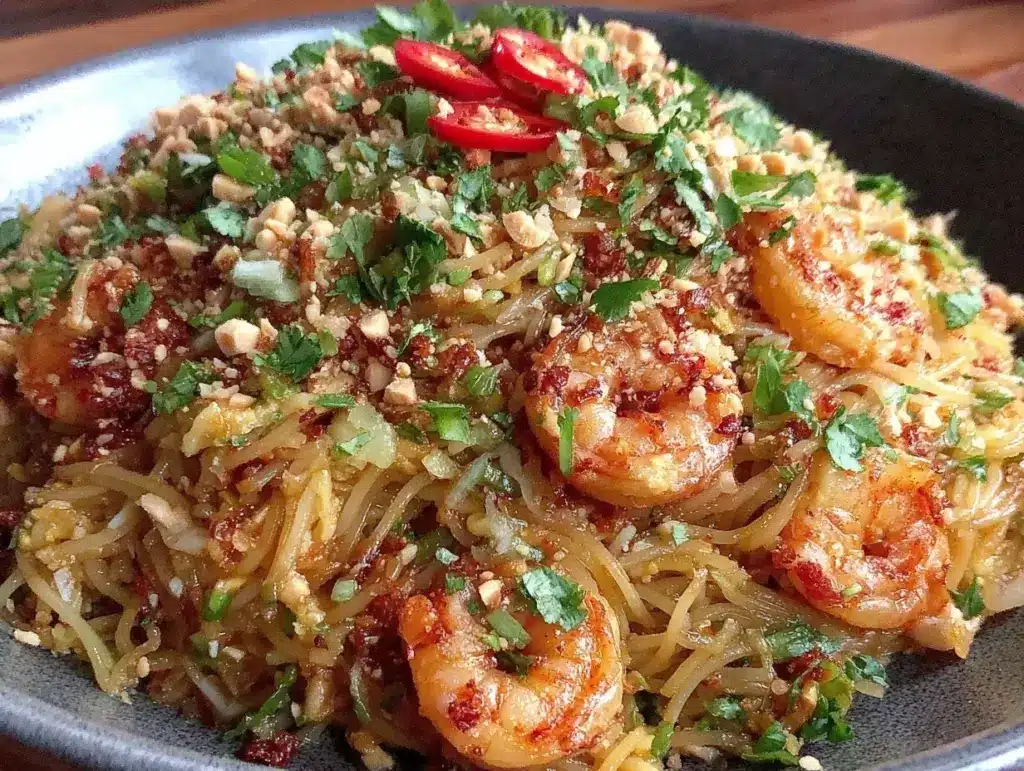
Picture this: sizzling shrimp hitting a hot wok, the snap and pop of fresh veggies, and the unmistakable aroma of tamarind, garlic, and peanuts swirling through your kitchen. The first time I made Pad Thai with Shrimp, I remember the steam fogging up my glasses and the tangy scent of tamarind sauce pulling my family into the kitchen before I could even plate the noodles. There’s just something magical about the way these flavors collide—sweet, salty, sour, and a little hit of heat—each strand of noodle clinging to the sauce, each bite bursting with crunchy peanuts and snappy bean sprouts.
Honestly, I was hooked from that first forkful. I can still remember my husband pausing mid-bite, looking at me with wide eyes, and saying, “Is this really homemade?” You know, it was one of those moments where I just sat back and smiled because I knew I’d finally cracked the code for restaurant-style Pad Thai at home. This wasn’t just another weeknight dinner; it felt like a celebration, even if it was just a random Tuesday and we were all still in sweatpants.
Growing up, Asian takeout was a treat in our house, but my grandma always believed in making things from scratch. She’d say, “If you can read a recipe, you can cook anything.” Years later, after lots of trial and error (and a few noodle disasters), I stumbled upon the secret: the perfect tangy tamarind sauce. I wish I’d known about it years ago because, let’s face it, making Pad Thai at home is a game-changer. No more soggy noodles or bland flavors—just pure, nostalgic comfort.
Now, this Pad Thai with Shrimp recipe is a staple at our family gatherings, potlucks, and even as a “just because” treat for myself. My kids can’t resist sneaking shrimp straight from the pan, and I can’t really blame them. It’s dangerously easy, endlessly customizable, and guaranteed to brighten up your Pinterest board or impress any dinner guest. Trust me, after testing this recipe more times than I care to admit (in the name of research, of course!), I can say with a full heart: this is the Pad Thai you’re going to want to bookmark and make again and again. It’s a warm hug in a bowl, the kind of meal that makes you pause and savor every tangy, chewy, crunchy bite.
Why You’ll Love This Pad Thai with Shrimp Recipe
If you’ve ever craved that perfect balance of sweet, tangy, and savory in a noodle dish, this Pad Thai with Shrimp recipe delivers on all fronts. I’ve made more versions than I can count, tweaking the ratios, swapping noodles, and testing different tamarind pastes. Here’s why this one stands out, and why I trust it enough to serve to friends, family, and—yes—even picky eaters:
- Quick & Easy: Comes together in under 30 minutes. Seriously. Even with making the tangy tamarind sauce from scratch, you’ll be sitting down before you know it.
- Simple Ingredients: No wild goose chases for specialty items. Most of these are pantry staples or easy finds in the Asian food aisle—rice noodles, shrimp, eggs, and simple veggies.
- Perfect for Any Occasion: Whether you’re hosting a cozy family dinner, meal prepping lunches, or needing a “wow” recipe for your next potluck, this one’s a total crowd-pleaser.
- Authentic Flavors at Home: The homemade tangy tamarind sauce is the real star here. No bottled Pad Thai sauces, just fresh, bold, and balanced flavors.
- Customizable for Everyone: Not a shrimp fan? Swap in chicken or tofu. Gluten-free? Use tamari and rice noodles. The base recipe is your playground.
- Restaurant Quality, Minus the Takeout Box: The texture is spot-on—soft, chewy noodles, juicy shrimp, and that irresistible crunch from peanuts and bean sprouts.
What truly separates this Pad Thai with Shrimp recipe from the rest is the sauce. I whisk together tamarind paste, fish sauce, palm sugar (or brown sugar), and a dash of chili. Instead of a syrupy, overly sweet sauce, you get a tangy, nuanced glaze that hugs each noodle. My secret? A splash of warm water to loosen the sauce, so it coats evenly and doesn’t clump.
There’s something special about making Pad Thai at home—it’s comforting, quick, and surprisingly therapeutic once you get the hang of it. I love how it lets me control the spice, the sweetness, and the crunch factor. And the best part? Those first bites always make people stop and savor. It’s a dish that’s more than just dinner—it’s an experience. Whether you’re a seasoned home cook or just starting out, this recipe is designed to give you the confidence (and flavor!) you crave.
What Ingredients You Will Need
This Pad Thai with Shrimp recipe brings together straightforward, vibrant ingredients for maximum flavor and texture. Don’t worry—if you’ve got a decently stocked pantry and a quick trip to the grocery store, you’re golden. Here’s what you’ll need:
-
For the Noodles & Protein:
- 8 oz (225 g) flat rice noodles (medium-width, soaked according to package instructions)
- 12 oz (340 g) large shrimp, peeled and deveined (I like using wild-caught, but any fresh or frozen shrimp works)
-
For the Tangy Tamarind Sauce:
- 3 tbsp tamarind paste (for that signature tang—try to find seedless and smooth)
- 3 tbsp fish sauce (Red Boat is my go-to for pure umami)
- 2 tbsp palm sugar or light brown sugar (balances the tang)
- 1 tbsp soy sauce (or tamari for gluten-free)
- 1 to 2 tsp chili paste or sriracha (adjust for your heat preference)
- 2 tbsp warm water (helps everything blend smoothly)
-
For Stir-Frying:
- 3 tbsp vegetable oil (or peanut oil for extra flavor)
- 3 cloves garlic, minced
- 2 eggs, large (beaten)
- 1 cup (100 g) bean sprouts, fresh
- 1/2 cup (50 g) carrots, julienned (optional, but adds a lovely crunch)
- 3 green onions, sliced (white and green parts separated)
-
For Topping:
- 1/3 cup (40 g) roasted peanuts, chopped
- Lime wedges (for squeezing over just before eating)
- Fresh cilantro, chopped (optional, but highly recommended)
- Extra bean sprouts
Ingredient Notes and Substitutions:
- Noodles: If you can’t find rice noodles, use fettuccine as a last resort (just don’t tell my Thai friends!).
- Shrimp: Chicken, firm tofu, or even thinly sliced beef all work as protein swaps.
- Tamarind Paste: If you’re out, try a mix of lime juice and a bit of brown sugar, but the flavor won’t be quite as classic.
- Vegetables: Red bell pepper, snap peas, or even baby corn can be tossed in for extra veggie power.
- Nut-Free: Leave out peanuts and use toasted sesame seeds for crunch.
Trust me, the right ingredients make all the difference. But don’t sweat it—Pad Thai is forgiving, and half the fun is making it your own!
Equipment Needed
Good news: you don’t need a fancy restaurant setup to make Pad Thai with Shrimp at home. Here’s what I use in my kitchen (with a few workarounds if you’re missing something):
- Wok or Large Nonstick Skillet: A wok is traditional and helps with those high heat, quick stir-fries. If you don’t have one, a big sauté pan works just fine.
- Medium Saucepan: To soak the rice noodles (I use a kettle to boil water, then pour it over the noodles in a bowl).
- Mixing Bowls: For whisking the tamarind sauce and prepping ingredients.
- Cutting Board and Sharp Knife: For slicing veggies and prepping shrimp.
- Measuring Cups and Spoons: Accuracy makes the sauce sing, so don’t eyeball unless you’re feeling confident!
- Spatula or Tongs: I love a flat wooden spatula for tossing noodles, but tongs also do the trick.
If you’re just starting out, don’t stress about having the “perfect” tools. I made my first Pad Thai in a battered old frying pan, and it turned out just fine. For clean-up, I recommend soaking the wok or pan right after cooking (that sauce can get sticky if it sits too long). And if you’re shopping on a budget, look for a carbon steel wok at your local Asian market—they’re affordable and last for years with a little TLC.
How to Make Pad Thai with Shrimp and Tangy Tamarind Sauce
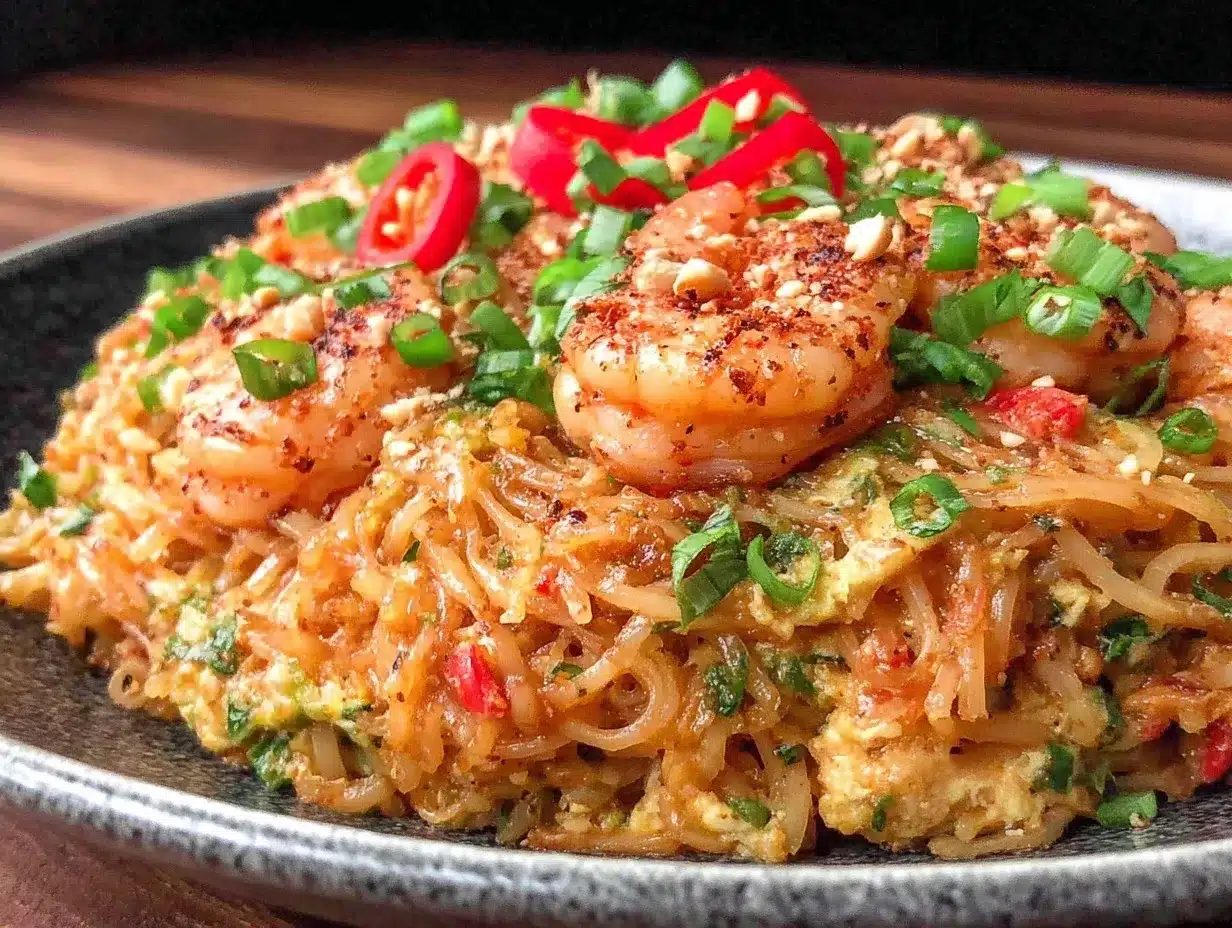
- Soak the Rice Noodles: Place 8 oz (225 g) flat rice noodles in a large heatproof bowl. Pour boiling water over them until covered. Let them soak for 8-10 minutes, stirring occasionally, until they’re just pliable but not mushy. Drain and rinse with cold water. Tip: If using thicker noodles, you may need an extra couple of minutes.
- Prep the Tamarind Sauce: In a mixing bowl, whisk together 3 tbsp tamarind paste, 3 tbsp fish sauce, 2 tbsp palm sugar (or light brown sugar), 1 tbsp soy sauce, 1-2 tsp chili paste, and 2 tbsp warm water. Stir until the sugar dissolves and everything is well blended. The sauce should be tangy, slightly sweet, and salty—taste and adjust if needed!
- Prep the Shrimp and Veggies: Pat 12 oz (340 g) shrimp dry with a paper towel. Slice 1/2 cup (50 g) carrots into matchsticks and 3 green onions (separating whites and greens). Mince 3 cloves garlic.
- Cook the Shrimp: Heat 1 tbsp vegetable oil in a wok or large skillet over medium-high heat. Add shrimp in a single layer and cook for 1-2 minutes per side, until pink and just cooked through. Remove shrimp from the pan and set aside. Don’t overcook—shrimp should be juicy, not rubbery!
- Scramble the Eggs: Add another tablespoon of oil to the pan. Add the minced garlic and the white parts of the green onions. Stir-fry for 30 seconds until fragrant, then push to the side. Pour in 2 beaten eggs and scramble gently until just set.
- Stir-Fry the Noodles: Add the soaked, drained noodles to the pan. Pour the tangy tamarind sauce over the top (give it a final whisk first). Toss everything together with a spatula or tongs for 2-3 minutes, until the noodles are evenly coated and starting to caramelize a bit on the bottom.
- Add Veggies and Shrimp: Toss in the carrots, bean sprouts, and cooked shrimp. Stir-fry for 1 more minute, just to heat through and keep the veggies crisp.
- Finish and Serve: Sprinkle in the green parts of the onions and half the peanuts. Give it a final toss. Transfer to plates or a big serving bowl.
- Garnish: Top with the remaining peanuts, extra bean sprouts, fresh cilantro, and lime wedges for squeezing over. Serve immediately!
Troubleshooting Tips: If your noodles get clumpy, add a splash of warm water and toss well. If the dish tastes flat, add a pinch more sugar or fish sauce. And if you like it spicier, pass the chili flakes at the table!
For best results, have all your ingredients prepped and ready to go before you start cooking—Pad Thai moves fast once that wok heats up! And don’t worry about a little sauce sticking to the pan; those caramelized bits are pure gold.
Cooking Tips & Techniques for Pad Thai with Shrimp
After making Pad Thai with Shrimp more times than I can count, I’ve picked up a few tricks that turn a good dish into a great one. Here’s what I’ve learned (sometimes the hard way!):
- Prep Everything First: This is a quick-cooking recipe. Have your shrimp peeled, veggies chopped, sauce whisked, and noodles soaked before you start. I’ve tried to “wing it” and ended up with overcooked noodles more than once.
- High Heat, Quick Stir-Fry: Use your largest burner and let the pan get hot before adding oil. This helps the noodles caramelize a bit, like at your favorite Thai restaurant.
- Don’t Overcrowd the Pan: If doubling the recipe, cook in batches. Too many noodles at once will steam instead of fry, and you’ll lose that signature chew.
- Shrimp Timing: Shrimp cook lightning fast. Pull them out as soon as they turn pink and opaque. They’ll finish warming through when tossed back in at the end.
- Sauce Consistency: If the tamarind sauce is too thick, add a little more warm water. If it’s too thin, let it cook down for a minute in the pan before adding noodles.
- Personal Failures: One time I left the noodles soaking too long and they turned mushy in the pan—now I always set a timer and check them early!
- Freshness Matters: Use fresh bean sprouts and green onions for the best crunch. Old sprouts wilt fast and lose that pop.
- Multitasking: While the noodles soak, prep the sauce and chop veggies. It keeps things moving and you’ll get dinner on the table even faster.
Consistency comes from practice, but with these tips, you’ll avoid the most common Pad Thai pitfalls. And remember: taste as you go! Adjust the sauce, the spice, and the garnish until it’s just right for you. Cooking is all about finding what makes your taste buds sing.
Variations & Adaptations
Pad Thai is a choose-your-own-adventure kind of dish—don’t be afraid to play around! Here are my favorite ways to mix things up:
- Vegetarian/Vegan Pad Thai: Swap shrimp for cubed, pressed tofu (pan-fried until golden). Use soy sauce or tamari instead of fish sauce, and add a teaspoon of mushroom soy sauce for more umami.
- Chicken Pad Thai: Thinly slice 12 oz (340 g) of chicken breast or thigh, and stir-fry it just like the shrimp. Takes a couple of minutes longer, but just as tasty.
- Low-Carb Pad Thai: Use spiralized zucchini or shirataki noodles instead of rice noodles. The texture is different, but you still get all the flavor.
- Extra Veggie Power: Add snap peas, red bell peppers, or broccoli florets to the stir-fry for color and crunch.
- Allergen-Friendly: For nut-free, skip the peanuts and top with toasted pumpkin or sunflower seeds. For gluten-free, double-check your tamarind paste and use tamari.
- Spice Lovers: Add extra chili paste or fresh Thai chilies to the sauce for a fiery kick.
Personally, I love tossing in a handful of Thai basil and a squeeze of extra lime at the finish—makes the flavors pop, especially in summer. Try different proteins, swap veggies based on what’s in season, or let your kids pick their favorite toppings. The best Pad Thai is the one that fits your taste!
Serving & Storage Suggestions
Pad Thai with Shrimp is best served hot, right from the wok when the noodles are glossy and the shrimp are juicy. If you’re feeling fancy, pile it onto a big platter and sprinkle with extra peanuts, cilantro, and a few lime wedges for color—always a hit for dinner parties or photo-worthy Pinterest moments.
Pair this dish with a crisp cucumber salad, Thai iced tea, or a simple miso soup for a full meal. I love setting out small bowls of extra chili flakes, peanuts, and lime so everyone can customize their plate.
If you have leftovers (rare, but it happens!), let the Pad Thai cool to room temperature before transferring to an airtight container. Store in the refrigerator for up to 3 days. To reheat, sprinkle a tablespoon of water over the noodles and microwave in 30-second bursts, tossing gently in between. Or, reheat in a nonstick skillet over medium heat, adding a splash of water to loosen the sauce.
Freezing isn’t ideal—shrimp and rice noodles don’t love the freezer—but you can freeze the tangy tamarind sauce for a quick jump start on future meals. Honestly, the flavors get even better the next day, as the sauce soaks into the noodles. Just be sure to give everything a good toss when reheating, and you’ll be back in flavor town in no time.
Nutritional Information & Benefits
Every serving of Pad Thai with Shrimp (about 1/4 of the recipe) comes in around 450-500 calories, with 28g protein, 60g carbs, and 13g fat. Shrimp is a fantastic source of lean protein and essential minerals like selenium and zinc.
The tangy tamarind sauce is naturally gluten-free when made with tamari, and the dish is low in saturated fat. Rice noodles are easy to digest, and you can bump up the veggie content as much as you like. If you’re watching sodium, use low-sodium soy sauce and go light on the fish sauce.
Allergens to note: peanuts, shellfish, eggs, and soy. For dietary needs, swap as suggested above. I love this dish because it’s satisfying without feeling heavy—perfect for a weeknight boost or a special occasion.
Conclusion
Pad Thai with Shrimp and Tangy Tamarind Sauce is the kind of recipe that makes you wonder why you ever ordered takeout. It’s quick, packed with bold flavors, and endlessly customizable. Whether you’re new to Thai cooking or just looking to add something bright and fun to your meal rotation, this dish won’t let you down.
Don’t be afraid to tweak the sauce, toss in your favorite veggies, or adjust the spice level—make it yours! Personally, every time I whip up a batch, I’m reminded of those first “aha!” moments in the kitchen, and it never fails to bring a smile (and a happy, full belly).
If you make this Pad Thai with Shrimp, I’d love to hear how it turned out! Drop a comment, share your own twists, or tag me in your photos. Your kitchen is about to smell amazing—enjoy every bite!
Frequently Asked Questions
Can I make Pad Thai with Shrimp ahead of time?
Pad Thai is best eaten fresh, but you can prep the sauce and chop all your veggies in advance. If you need to make it ahead, store components separately and toss together just before serving.
What can I use instead of tamarind paste?
If you can’t find tamarind paste, try a mix of fresh lime juice and a little brown sugar. The flavor won’t be exactly the same, but it will still give you that bright, tangy punch.
How spicy is this Pad Thai recipe?
This recipe is mild with just a hint of heat from the chili paste. If you like things hotter, add more chili or serve with chili flakes on the side. If you’re sensitive to spice, start with less and taste as you go.
Can I use frozen shrimp?
Absolutely! Thaw frozen shrimp under cold water, pat dry, and cook as directed. They work just as well as fresh.
Is Pad Thai with Shrimp gluten-free?
It can be! Use tamari instead of soy sauce and double-check your rice noodles and tamarind paste for hidden gluten. Always read labels if you’re cooking for someone with celiac or gluten sensitivity.
Pin This Recipe!
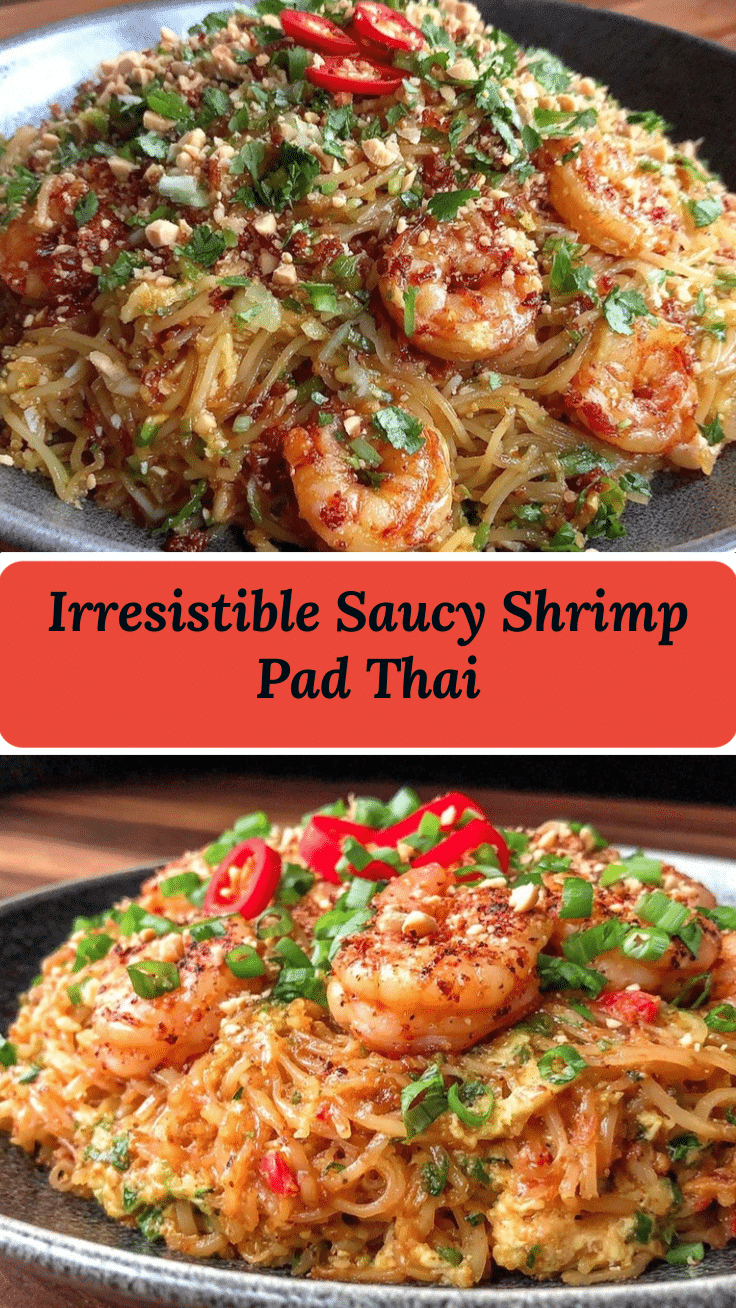
Pad Thai with Shrimp Recipe Easy Homemade Tangy Tamarind Sauce

This restaurant-style Pad Thai with Shrimp features chewy rice noodles, juicy shrimp, crunchy peanuts, and a tangy homemade tamarind sauce. Quick to make and endlessly customizable, it’s a crowd-pleaser for weeknights or special occasions.
- Prep Time: 15 minutes
- Cook Time: 15 minutes
- Total Time: 30 minutes
- Yield: 4 servings 1x
- Category: Main Course
- Cuisine: Thai
Ingredients
- 8 oz flat rice noodles (medium-width, soaked according to package instructions)
- 12 oz large shrimp, peeled and deveined
- 3 tbsp tamarind paste
- 3 tbsp fish sauce
- 2 tbsp palm sugar or light brown sugar
- 1 tbsp soy sauce (or tamari for gluten-free)
- 1 to 2 tsp chili paste or sriracha
- 2 tbsp warm water
- 3 tbsp vegetable oil (or peanut oil)
- 3 cloves garlic, minced
- 2 large eggs, beaten
- 1 cup bean sprouts, fresh
- 1/2 cup carrots, julienned
- 3 green onions, sliced (white and green parts separated)
- 1/3 cup roasted peanuts, chopped
- Lime wedges
- Fresh cilantro, chopped (optional)
- Extra bean sprouts
Instructions
- Place rice noodles in a large heatproof bowl. Pour boiling water over them until covered. Soak for 8-10 minutes, stirring occasionally, until just pliable but not mushy. Drain and rinse with cold water.
- In a mixing bowl, whisk together tamarind paste, fish sauce, palm sugar (or brown sugar), soy sauce, chili paste, and warm water until sugar dissolves and sauce is well blended. Taste and adjust as needed.
- Pat shrimp dry with a paper towel. Slice carrots into matchsticks and green onions (separating whites and greens). Mince garlic.
- Heat 1 tbsp oil in a wok or large skillet over medium-high heat. Add shrimp in a single layer and cook for 1-2 minutes per side, until pink and just cooked through. Remove shrimp and set aside.
- Add another tablespoon of oil to the pan. Add minced garlic and white parts of green onions. Stir-fry for 30 seconds until fragrant, then push to the side. Pour in beaten eggs and scramble gently until just set.
- Add soaked, drained noodles to the pan. Pour tamarind sauce over the top. Toss everything together for 2-3 minutes, until noodles are evenly coated and starting to caramelize.
- Toss in carrots, bean sprouts, and cooked shrimp. Stir-fry for 1 more minute to heat through and keep veggies crisp.
- Sprinkle in green parts of onions and half the peanuts. Toss and transfer to plates or a serving bowl.
- Top with remaining peanuts, extra bean sprouts, fresh cilantro, and lime wedges. Serve immediately.
Notes
Prep all ingredients before cooking, as Pad Thai cooks quickly. For gluten-free, use tamari and double-check labels. Adjust chili paste for desired spice level. If noodles clump, add a splash of warm water. Swap shrimp for chicken, tofu, or beef as desired. For nut-free, use toasted sesame seeds instead of peanuts.
Nutrition
- Serving Size: 1/4 of recipe (about
- Calories: 475
- Sugar: 10
- Sodium: 1100
- Fat: 13
- Saturated Fat: 2
- Carbohydrates: 60
- Fiber: 3
- Protein: 28
Keywords: Pad Thai, shrimp, tamarind sauce, Thai noodles, easy dinner, stir-fry, Asian, gluten-free option, restaurant style, homemade