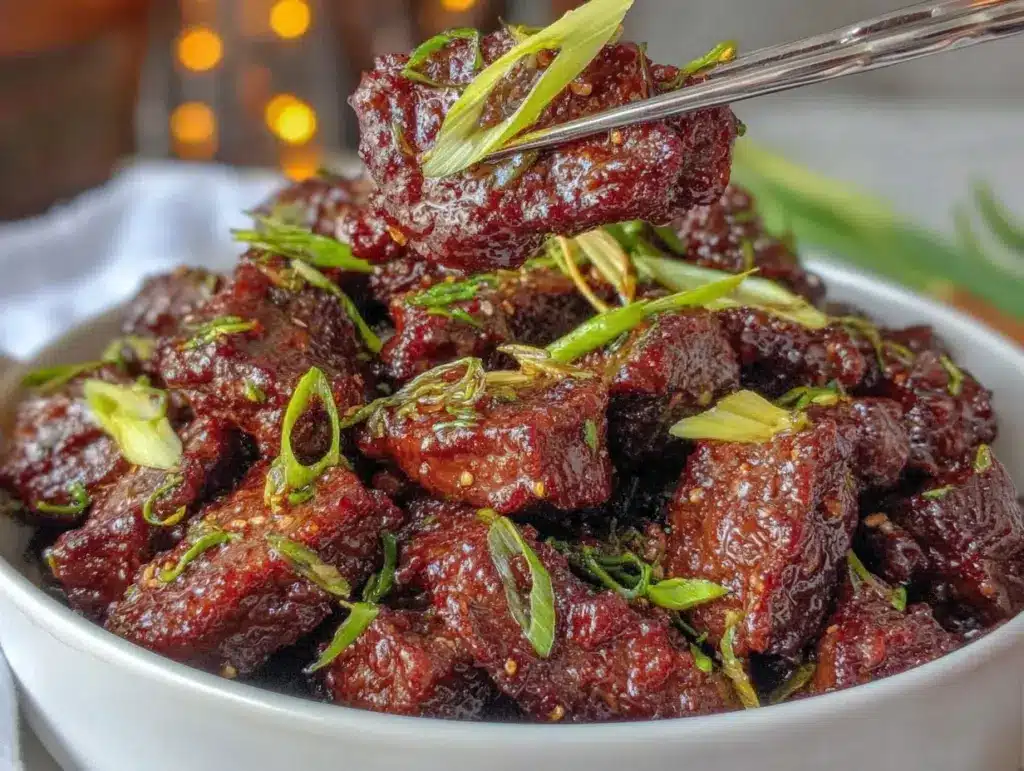
Introduction
The sizzle of thinly sliced beef hitting a hot skillet, the aroma of garlic and ginger swirling through the kitchen—oh, it’s downright mouthwatering. I still remember the first time I tried making Mongolian Beef at home. The sticky soy-garlic sauce bubbled up, clinging to each tender piece, and I paused, just soaking up the rich, dark gloss and the savory scents. It was one of those moments where you know you’ve stumbled onto something truly special—a recipe you’ll keep coming back to.
When I was knee-high to a grasshopper, Mongolian Beef was a treat reserved for birthday outings and family celebrations. My dad would order extra rice just so we could mop up every last drop of that sweet, garlicky sauce. Years ago, I tried to recreate the magic at home, but let’s face it, not all copycat recipes live up to the hype. This one does, though. The first bite brought back all those cozy restaurant memories, and honestly, I wish I’d figured out this easy Mongolian Beef trick sooner.
My family couldn’t stop sneaking bites straight from the pan (and I can’t really blame them). The savory Mongolian Beef disappeared faster than I could say “Let it cool!” Every time I make it, someone asks for the recipe—or tries to guess the secret ingredient. It’s become our go-to for lazy Friday nights, holiday potlucks, and, of course, last-minute dinner guests. This PF Chang’s copycat Mongolian Beef is dangerously easy, pure comfort, and perfect for brightening up your Pinterest board or impressing your crew. I’ve tested it more times than I can count (in the name of research, of course), and it’s now a staple for family gatherings, gifting, and those “I just need something delicious” days. Honestly, it feels like a warm hug on a plate, and you’re going to want to bookmark this one.
Why You’ll Love This Mongolian Beef PF Chang’s Copycat Recipe
Let me give you the lowdown from my kitchen to yours—this Mongolian Beef recipe isn’t just another takeout fake-out. It’s the kind of meal that makes you close your eyes after that first bite, savoring every sticky, garlicky morsel. Over the years, I’ve tweaked, taste-tested, and compared notes with fellow home cooks. Here’s why this PF Chang’s copycat Mongolian Beef stands out:
- Quick & Easy: Ready in under 30 minutes, so you can whip it up even on busy weeknights.
- Simple Ingredients: Nothing fancy—just basic pantry staples and fresh beef. No surprise grocery runs required.
- Perfect for Any Occasion: Whether it’s a cozy family dinner, a potluck, or impressing guests, this recipe fits every occasion. I’ve even brought it to brunch (don’t knock it ’til you try it!).
- Crowd-Pleaser: Kids love the sweet-savory sauce, adults rave about the tender beef. Honestly, it’s hard not to love.
- Unbelievably Delicious: The sticky soy-garlic sauce is next-level—rich, savory, with just enough sweetness to balance things out. The beef is melt-in-your-mouth tender, never chewy.
But what really makes this Mongolian Beef different? It’s all about that quick pan-sear and the perfect sauce ratio. I use a blend of dark and regular soy sauce for depth, plus a touch of brown sugar for caramelization—trust me, it’s worth the extra minute. And let’s not forget the garlic and ginger. I chop them fresh every time for a punchy, aromatic kick. Unlike some recipes, I don’t drown the beef in cornstarch, so you get a lovely, crisp exterior without a doughy feel.
For me, comfort food means more than just calories—it’s about heart and nostalgia. This Mongolian Beef PF Chang’s copycat is healthier, faster, and just as soul-soothing as the restaurant classic. It’s perfect for turning a simple meal into something memorable, minus the takeout bill. No stress, no fuss—just pure satisfaction. You know what? You’re going to want seconds.
What Ingredients You Will Need
This savory Mongolian Beef relies on simple, wholesome ingredients to deliver bold flavor and that signature sticky soy-garlic sauce. Most are pantry staples, and a couple are easy to swap if needed. Here’s what you’ll need:
- For the Beef:
- 1 lb (450g) flank steak, thinly sliced against the grain (or sirloin for a budget option)
- 1/4 cup (30g) cornstarch (helps create a crisp coating)
- 1/2 tsp kosher salt (adds flavor)
- 1/2 tsp black pepper (freshly ground is best)
- For the Sticky Soy-Garlic Sauce:
- 1/2 cup (120ml) low-sodium soy sauce (I like Kikkoman)
- 1/4 cup (50g) dark brown sugar (adds deep caramel notes)
- 1/4 cup (60ml) water
- 3 cloves garlic, minced
- 1 tbsp fresh ginger, grated (or 1 tsp ground ginger as a backup)
- 2 tbsp rice vinegar (for tang)
- 1 tbsp sesame oil (toasted for extra aroma)
- 1/4 tsp crushed red pepper flakes (optional, for a gentle kick)
- For Finishing & Garnish:
- 3 green onions, sliced on the bias
- 1 tbsp toasted sesame seeds
- Steamed white rice or jasmine rice (for serving)
Ingredient Tips & Substitutions:
- Flank steak: Look for well-marbled cuts for tenderness. Sirloin or even thinly sliced chicken breast works in a pinch.
- Soy sauce: Regular soy sauce is fine if you don’t have low-sodium, but the dish will be saltier. For gluten-free, use tamari.
- Brown sugar: Coconut sugar can work for a less processed option.
- Rice vinegar: Apple cider vinegar is an okay substitute, though the flavor shifts slightly.
- Sesame oil: Toasted is best for aroma, but untoasted will do.
- Green onions: Chives or even thinly sliced leeks can fill in for garnish.
I always recommend prepping everything first—it makes things run smoother, especially when the beef cooks fast. In summer, I sometimes toss in fresh bell peppers or snap peas for color and crunch. For a lower carb meal, swap the rice for cauliflower rice. Honestly, the sauce is good enough to spoon over anything!
Equipment Needed
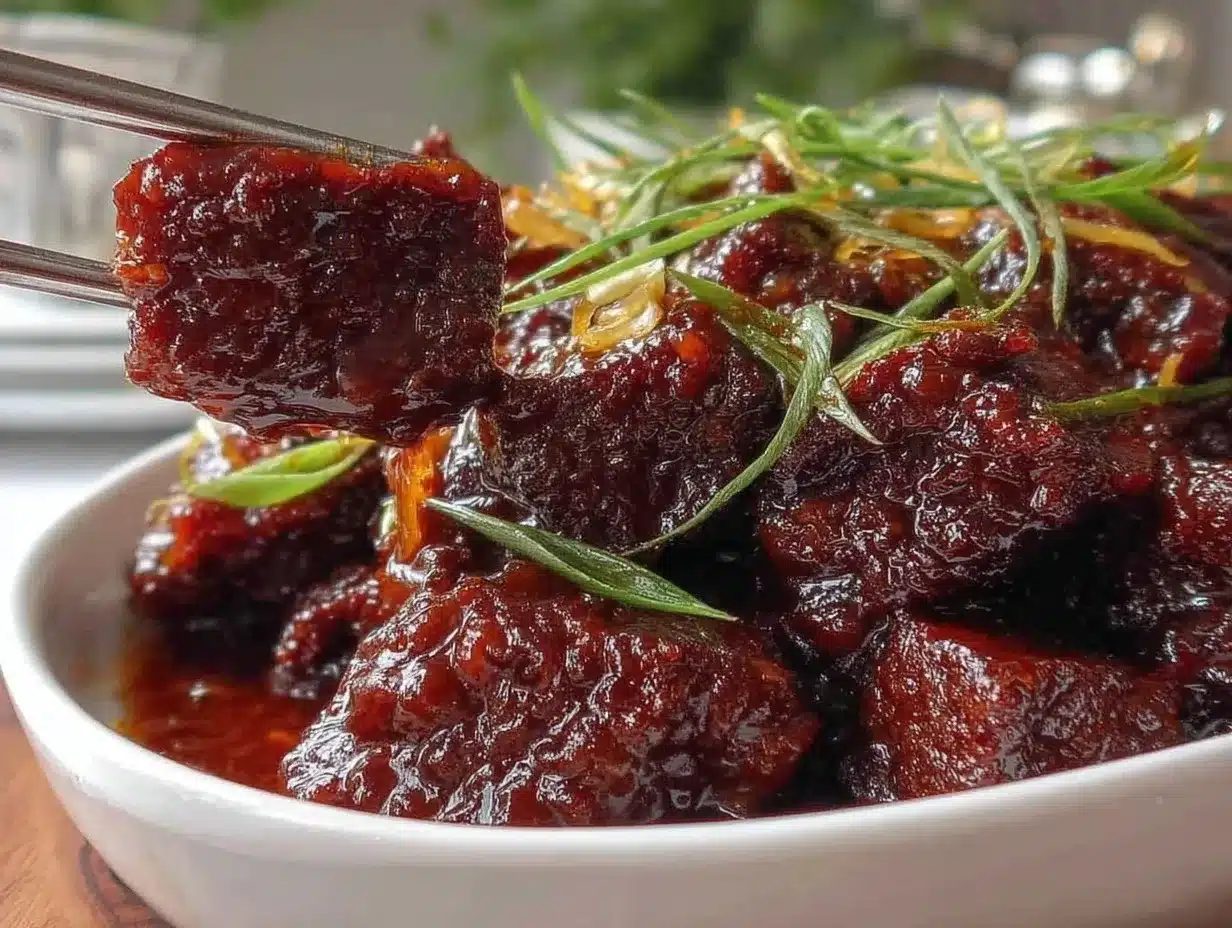
You don’t need a fancy setup to whip up this Mongolian Beef PF Chang’s copycat recipe. Here’s what I reach for every time:
- Large non-stick skillet or wok: Wok gives you a bit more room for tossing, but a 12-inch skillet works great.
- Sharp chef’s knife: For slicing the beef thin. If you have a boning knife, even better.
- Cutting board: Preferably one for meat and one for veggies to keep things tidy.
- Mixing bowls: For dredging the beef and mixing the sauce.
- Measuring cups and spoons: Precision matters, especially for the sauce.
- Wooden spoon or heatproof spatula: For stirring and tossing the beef.
- Tongs: Handy for flipping the beef slices evenly.
- Paper towels: For blotting excess moisture from the beef.
- Rice cooker or saucepan: If you’re serving with rice.
If you don’t have a wok, don’t sweat it—a sturdy skillet does the trick. I’ve used both, and honestly, as long as it’s hot and roomy, you’re good. If you’re on a budget, check out thrift stores for a well-loved wok (sometimes the best ones are already seasoned!). For maintenance, I always hand-wash my wok and dry it immediately to keep it from rusting. You know what? No need for any fancy gadgets, just reliable basics.
Preparation Method
- Prep the Beef: Slice 1 lb (450g) flank steak thinly against the grain—about 1/4-inch thick. Pat dry with paper towels. Toss the beef slices with 1/4 cup (30g) cornstarch, 1/2 tsp kosher salt, and 1/2 tsp black pepper in a bowl until evenly coated. Let it sit for 10 minutes to help the coating stick.
- Mix the Sauce: In a small bowl, whisk together 1/2 cup (120ml) low-sodium soy sauce, 1/4 cup (50g) dark brown sugar, 1/4 cup (60ml) water, 3 cloves garlic (minced), 1 tbsp fresh ginger (grated), 2 tbsp rice vinegar, 1 tbsp sesame oil, and 1/4 tsp crushed red pepper flakes. Set aside.
- Heat the Pan: Place your skillet or wok over medium-high heat. Add 2 tbsp neutral oil (like canola or vegetable oil). Wait until the oil shimmers—don’t rush, or the beef won’t sear properly.
- Sear the Beef: Working in batches, add beef slices in a single layer. Cook for 1-2 minutes per side, until edges are brown and crisp. Don’t overcrowd the pan, or the beef will steam instead of sear. Transfer cooked beef to a plate. Repeat with remaining slices.
- Make the Sauce: Lower heat to medium. Add the soy-garlic sauce to the pan. Stir constantly as it simmers, about 2-3 minutes, until it thickens and gets glossy. The sauce should cling to the back of a spoon. If it’s too thick, add a splash of water.
- Combine Beef & Sauce: Return the cooked beef to the pan. Toss well to coat every piece in sticky sauce. Cook together for 1-2 minutes, just until heated through. Listen for a gentle sizzle—if the sauce bubbles too hard, reduce heat to low.
- Garnish & Serve: Remove from heat. Sprinkle with 3 sliced green onions and 1 tbsp toasted sesame seeds. Serve hot over steamed rice.
Preparation Notes & Troubleshooting:
- If your beef seems tough, double-check that you sliced it against the grain and kept the pieces thin.
- For extra crispiness, let coated beef rest on a wire rack for 10 minutes before frying.
- If sauce is salty, swap half the soy sauce for low-sodium chicken broth.
- Use fresh garlic and ginger for best flavor—powdered versions work in a pinch but aren’t quite the same.
- I always prep all ingredients before I start cooking—the beef cooks fast, so you don’t want to be scrambling mid-recipe.
When it comes to multitasking, I start the rice before anything else. That way, everything comes together right on time. The beef should be tender, the sauce sticky and fragrant, and the kitchen will smell so good, you’ll probably have folks lining up before you even plate it!
Cooking Tips & Techniques
Making restaurant-quality Mongolian Beef at home is easier than you’d think, but a few pro tips make all the difference. Here’s what I’ve learned—sometimes the hard way:
- Super-Thin Slicing: Freeze the beef for 20 minutes before slicing. This trick gives you paper-thin slices every time.
- Don’t Crowd the Pan: Cook the beef in batches if needed. Overcrowding leads to steaming, not searing, and you lose that crave-worthy crispiness.
- Watch Your Sauce: The soy-garlic sauce thickens fast. Keep a close eye and stir constantly. If it gets too thick, a splash of water saves the day.
- Fresh Aromatics: Chop garlic and ginger fresh—powdered versions just can’t deliver the same punch.
- Keep It Hot: High heat locks in flavor and texture, but don’t let it smoke. If the oil starts to smell burnt, lower the heat and wipe out the pan.
- Consistency Matters: Measure your ingredients for the sauce (I used to eyeball it, but trust me, it’s worth precision).
- Personal Failures: Once, I used too much cornstarch and ended up with a gummy, doughy mess. Less is more! And don’t skip the resting step after dredging.
- Timing: Start your rice first so it’s ready by the time the beef is done. Multitasking here keeps dinner quick and easy.
If you’re short on time, prep everything ahead. The beef and sauce can sit in the fridge for a few hours before cooking. I’ve learned that patience with slicing and searing pays off—don’t rush, and you’ll get restaurant-worthy results. Oh, and always taste the sauce before you add the beef. Adjust as needed—a little more sugar, a little more vinegar, whatever makes it sing for you.
Variations & Adaptations
One of the best things about this Mongolian Beef PF Chang’s copycat recipe is how easy it is to tweak for different tastes and needs. Here are my favorite ways to switch things up:
- Low-Carb/Keto: Skip the cornstarch and use arrowroot powder, or just sear the beef without coating. Serve over cauliflower rice for a lighter meal.
- Vegetarian: Substitute firm tofu or portobello mushroom slices for the beef. Use vegetable broth instead of soy sauce for less salt.
- Spicy Mongolian Beef: Add extra red pepper flakes, a splash of sriracha, or thinly sliced fresh chilies to the sauce for some heat.
- Seasonal Veggies: Toss in snap peas, bell peppers, or broccoli florets during the last minute of cooking. I love adding whatever’s fresh from the farmer’s market.
- Gluten-Free: Use tamari or coconut aminos instead of regular soy sauce. Check all labels for hidden gluten (especially in sauces).
- Allergen-Friendly: Swap sesame oil for avocado oil if you need to avoid sesame.
My personal favorite? I sometimes use chicken thighs instead of beef—just slice them thin and follow the same steps. It’s just as juicy, and the sauce works perfectly. I even tried adding a handful of chopped cashews for crunch once, and honestly, it was a hit. Don’t be afraid to play around; this recipe is super forgiving and always delicious.
Serving & Storage Suggestions
You’ll want to serve Mongolian Beef PF Chang’s copycat hot, straight from the pan—trust me, the sticky sauce is best right away. I always pile it high over steamed jasmine rice or fluffy white rice. For a pretty Pinterest-worthy presentation, sprinkle extra green onions and toasted sesame seeds on top.
If you’re hosting, pair with a crisp cucumber salad or roasted broccoli. Mongolian Beef also goes great with egg rolls or wonton soup—makes for a takeout-style spread.
Leftovers keep well in the fridge for up to 3 days. Store in a sealed container, separating the rice and beef if possible. To reheat, warm gently in a skillet over low heat, adding a splash of water to loosen the sauce. The flavors get even richer after a night in the fridge (almost better the second day!).
If you want to freeze, pack the beef and sauce together in an airtight bag for up to 2 months. Thaw in the fridge overnight, then reheat gently—don’t microwave too long or the beef can toughen. Honestly, this recipe never lasts long enough to freeze at my house!
Nutritional Information & Benefits
For one serving (about 1/4 of the recipe, not counting rice):
- Calories: ~370
- Protein: 24g
- Carbs: 28g
- Fat: 18g
- Sodium: ~900mg
Key health benefits: Flank steak provides lean protein, iron, and B vitamins. Ginger and garlic pack antioxidants and anti-inflammatory goodness. Using low-sodium soy sauce helps keep salt in check. If you go for cauliflower rice, you’ll cut carbs even more.
The recipe is naturally dairy-free and can easily be made gluten-free. Common allergens include soy and sesame—just swap those out if needed. For me, this dish is all about balanced comfort—rich enough to feel indulgent, but with better ingredients than typical takeout. Plus, it fills you up without weighing you down!
Conclusion
If you’re craving that sticky, savory Mongolian Beef flavor without the restaurant bill, this PF Chang’s copycat recipe brings it right to your kitchen. It’s quick, easy, and packed with bold flavor—perfect for family dinners, impressing guests, or just treating yourself.
Don’t be shy about customizing! Add your favorite veggies, swap the protein, or dial up the heat. That’s the beauty of homemade comfort food—make it yours. Personally, I love how this recipe brings everyone to the table, forks poised and ready for seconds. It’s honest, nostalgic, and just plain good.
Give this Mongolian Beef a try, and let me know how you make it your own! Drop a comment, share your photos, or pass along your favorite tweaks. Cooking should be fun, and this recipe is all about sharing that joy. Here’s to good food and good company—now go enjoy every sticky, garlicky bite!
Frequently Asked Questions
How do I slice beef thinly for Mongolian Beef?
Freeze the beef for 20 minutes, then use a sharp knife to cut thin slices against the grain. This makes it tender and helps it cook quickly.
Can I make Mongolian Beef gluten-free?
Yes! Substitute tamari or coconut aminos for soy sauce, and double-check any other sauces for hidden gluten.
Is Mongolian Beef spicy?
Not by default—just a touch of red pepper flakes. You can add fresh chilies or extra pepper flakes if you like it hot.
What cut of beef works best for this recipe?
Flank steak is ideal for tenderness and flavor, but sirloin or even thinly sliced chicken thighs work well too.
Can I make Mongolian Beef ahead of time?
Absolutely! Cook as directed, then refrigerate for up to 3 days. Reheat gently in a skillet to keep the beef tender and the sauce sticky.
Pin This Recipe!
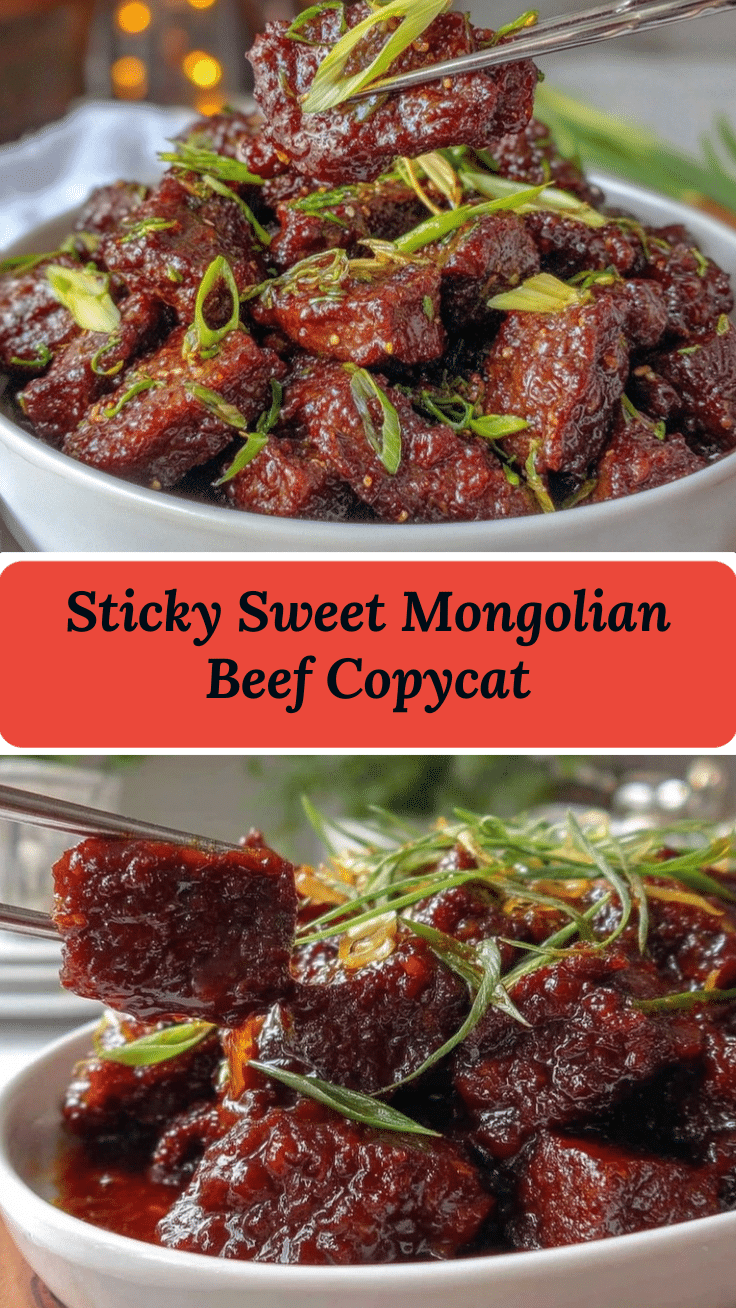
Mongolian Beef PF Chang’s Copycat Recipe Easy Sticky Soy-Garlic Sauce

This easy Mongolian Beef recipe features tender slices of beef coated in a sticky soy-garlic sauce, just like PF Chang’s. Quick to make, it’s perfect for weeknight dinners or special occasions and guaranteed to be a crowd-pleaser.
- Prep Time: 15 minutes
- Cook Time: 15 minutes
- Total Time: 30 minutes
- Yield: 4 servings 1x
- Category: Main Course
- Cuisine: Chinese-American
Ingredients
- 1 lb flank steak, thinly sliced against the grain (or sirloin)
- 1/4 cup cornstarch
- 1/2 tsp kosher salt
- 1/2 tsp black pepper
- 2 tbsp neutral oil (canola or vegetable oil)
- 1/2 cup low-sodium soy sauce
- 1/4 cup dark brown sugar
- 1/4 cup water
- 3 cloves garlic, minced
- 1 tbsp fresh ginger, grated (or 1 tsp ground ginger)
- 2 tbsp rice vinegar
- 1 tbsp toasted sesame oil
- 1/4 tsp crushed red pepper flakes (optional)
- 3 green onions, sliced on the bias
- 1 tbsp toasted sesame seeds
- Steamed white rice or jasmine rice (for serving)
Instructions
- Slice flank steak thinly against the grain (about 1/4-inch thick). Pat dry with paper towels.
- Toss beef slices with cornstarch, kosher salt, and black pepper in a bowl until evenly coated. Let sit for 10 minutes.
- In a small bowl, whisk together soy sauce, dark brown sugar, water, minced garlic, grated ginger, rice vinegar, sesame oil, and red pepper flakes. Set aside.
- Heat a large skillet or wok over medium-high heat. Add neutral oil and wait until it shimmers.
- Working in batches, add beef slices in a single layer. Cook for 1-2 minutes per side until edges are brown and crisp. Transfer cooked beef to a plate and repeat with remaining slices.
- Lower heat to medium. Add the soy-garlic sauce to the pan and stir constantly as it simmers for 2-3 minutes until thickened and glossy.
- Return cooked beef to the pan and toss well to coat in the sauce. Cook together for 1-2 minutes until heated through.
- Remove from heat. Sprinkle with sliced green onions and toasted sesame seeds.
- Serve hot over steamed rice.
Notes
For extra tender beef, freeze for 20 minutes before slicing. Don’t overcrowd the pan—work in batches for best sear. Use tamari for gluten-free, and swap sesame oil for avocado oil if needed. Add seasonal veggies or adjust spice level to taste. Leftovers keep well for up to 3 days; reheat gently with a splash of water.
Nutrition
- Serving Size: About 1/4 of the rec
- Calories: 370
- Sugar: 14
- Sodium: 900
- Fat: 18
- Saturated Fat: 4
- Carbohydrates: 28
- Fiber: 1
- Protein: 24
Keywords: Mongolian Beef, PF Chang's copycat, soy garlic sauce, easy beef stir fry, Chinese takeout, weeknight dinner, gluten-free option, dairy-free, quick recipe, comfort food