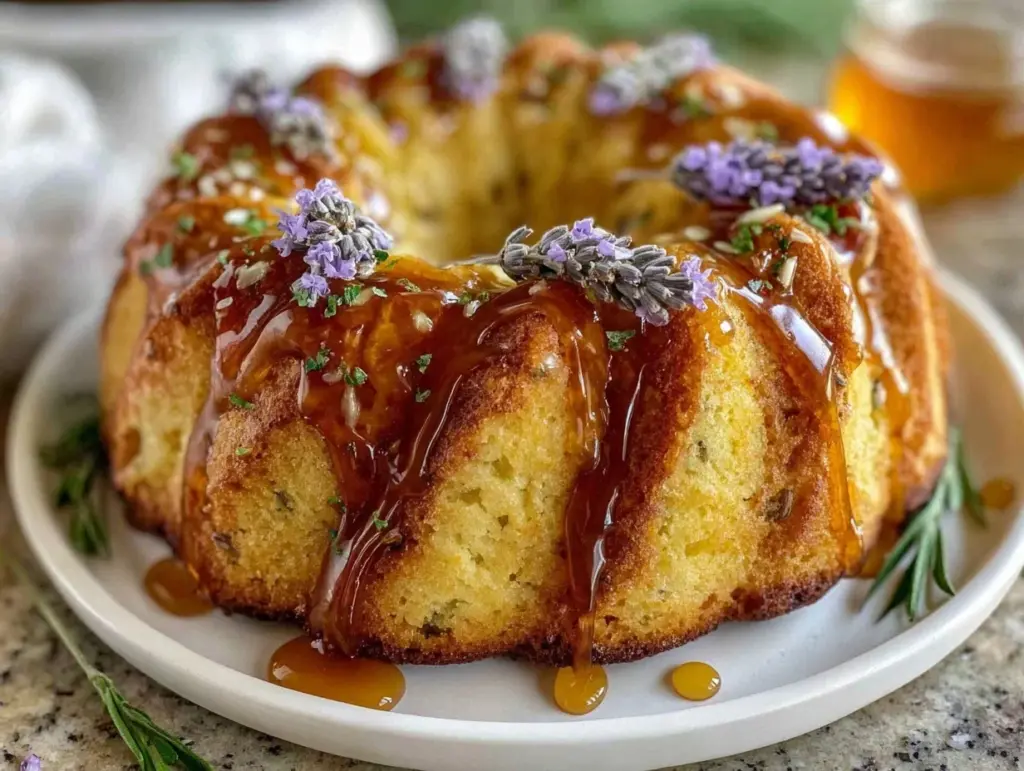
Let me just say—if you’ve never experienced the sweet floral aroma of lavender mingling with golden honey while pulling a cake from your oven, you’re in for a treat. The scent is gentle yet captivating, filling your kitchen with that comforting warmth you only get from baking something truly special. The first time I made this Lavender Honey Cake, it was on a rainy spring afternoon; honestly, I was just trying to recreate a flavor I’d tasted once at a countryside tea shop years ago (when I was knee-high to a grasshopper, you know). I remember pausing after my first bite, fork in hand, with this goofy smile on my face, thinking, “Wow, this is what pure nostalgia tastes like.”
This cake quickly became a staple in our family—my kids sneak nibbles off the cooling rack, and my partner always asks for an extra slice with tea. We’ve had friends beg for the recipe after just one mouthful. There’s something magical about how the floral notes of dried lavender round out the earthy sweetness of honey, all wrapped up in a tender, buttery crumb. It’s the kind of dessert you whip up for potlucks, fancy brunches, or just to brighten up your Pinterest recipe board. If you’re craving a sweet treat that feels like a warm hug (with a glossy honey glaze that’s almost too pretty to eat), you’re going to want to bookmark this one.
I’ve tested and tweaked this recipe more times than I care to admit—all in the name of research, of course! Each batch just confirms it: this Lavender Honey Cake is perfect for gifting, sharing, or simply treating yourself. And let’s face it, it’s so dangerously easy to make you’ll wonder why you didn’t try it years ago.
Why You’ll Love This Lavender Honey Cake Recipe
When it comes to cakes, I’ve baked my way through countless pans, and this one stands out for so many reasons. My background as a pastry enthusiast (and self-proclaimed honey addict) means I’ve put this Lavender Honey Cake through its paces. The recipe is family-approved, taste-tested, and ready for your next gathering.
- Quick & Easy: Comes together in under an hour, making it perfect for last-minute cravings or busy weeknights.
- Simple Ingredients: No fancy grocery runs required—most items are pantry staples, and dried lavender is easier to find than you’d think.
- Perfect for Any Occasion: Ideal for brunch, afternoon tea, garden parties, or cozy evenings at home.
- Crowd-Pleaser: Every time I’ve served this, it’s gotten rave reviews from both adults and kids. (Even the ones who say they don’t like floral desserts!)
- Unbelievably Delicious: The flavor combo of honey and lavender is next-level comfort food, with a tender crumb and a glossy honey glaze that steals the show.
What makes this Lavender Honey Cake different? I use a gentle infusion technique for the lavender—so you get that delicate floral note without it tasting like soap (trust me, I learned this the hard way). The honey glaze is glossy, rich, and sets up beautifully for slicing. The balance of flavors is just right, making each bite soft, buttery, and fragrant.
This cake isn’t just good—it’s the kind that makes you close your eyes after the first bite. It’s comfort food that’s somehow both nostalgic and fresh, perfect for impressing guests with zero stress. So whether you’re a floral dessert skeptic or a honey lover, this recipe is the sweet spot you didn’t know you needed.
What Ingredients You Will Need
This Lavender Honey Cake recipe is all about simple, wholesome ingredients coming together for a bold flavor and dreamy texture. You won’t need anything fancy, and most items are probably already in your kitchen.
- For the Cake:
- All-purpose flour (210g / 1 ¾ cups) — gives the cake structure and a tender crumb.
- Baking powder (2 tsp / 8g) — ensures a light, airy texture.
- Salt (¼ tsp / 1g) — just a touch to balance the sweetness.
- Unsalted butter, softened (115g / ½ cup) — adds richness and moisture. I recommend Kerrygold for best flavor.
- Granulated sugar (150g / ¾ cup) — for sweetness and caramelization.
- Honey (90g / ¼ cup plus 2 tbsp) — choose a mild, floral honey for best results (I love clover or orange blossom).
- Large eggs, room temperature (2) — bind everything together and add richness.
- Whole milk (120ml / ½ cup) — keeps the cake moist. Use dairy-free milk if needed.
- Dried edible lavender buds (2 tsp / 3g) — culinary grade only; don’t use garden lavender! I order mine from a local herb shop.
- Pure vanilla extract (1 tsp / 5ml) — rounds out the flavors.
- Fresh lemon zest (from 1 lemon) — optional, but adds brightness.
- For the Honey Glaze:
- Powdered sugar (120g / 1 cup) — creates a silky smooth glaze.
- Honey (30g / 1 tbsp) — for that glossy finish and extra flavor.
- Whole milk or cream (2–3 tbsp / 30–45ml) — to thin the glaze to the perfect consistency.
- Lemon juice (½ tbsp / 7ml) — optional, for a tangy note.
- Pinch of salt — balances the sweetness.
If you need a gluten-free option, swap the all-purpose flour with a 1:1 gluten-free blend (like Bob’s Red Mill). For dairy-free, use plant-based milk and vegan butter. If you’re out of dried lavender, you can substitute with a tiny splash of lavender extract—just go easy, as it’s potent! In summer, try adding fresh berries on top for a seasonal twist.
Equipment Needed
You don’t need much to whip up this Lavender Honey Cake, but having the right tools makes all the difference. Here’s what I use every time:
- 8-inch (20cm) round cake pan — you can also use a loaf pan or a bundt pan (just adjust baking time accordingly).
- Parchment paper — for easy release and less mess (trust me, cleaning honey glaze off a sticky pan isn’t fun).
- Mixing bowls — one large, one medium.
- Electric mixer or sturdy whisk — either works, though a stand mixer saves your arms.
- Measuring cups and spoons — accuracy counts for cake success.
- Fine mesh sieve — for sifting flour and powdered sugar.
- Rubber spatula — makes scraping batter a breeze.
- Small saucepan — for gently warming the honey (if yours is thick).
- Microplane or zester — for that optional lemon zest.
If you’re short on specialty pans, a well-greased Pyrex baking dish works too (been there, done that). For budget-friendly options, I’ve picked up great cake pans at thrift shops. Keep your mixer blades clean and dry—sticky honey can gum things up. And always line your pan with parchment for easy cake removal.
Preparation Method
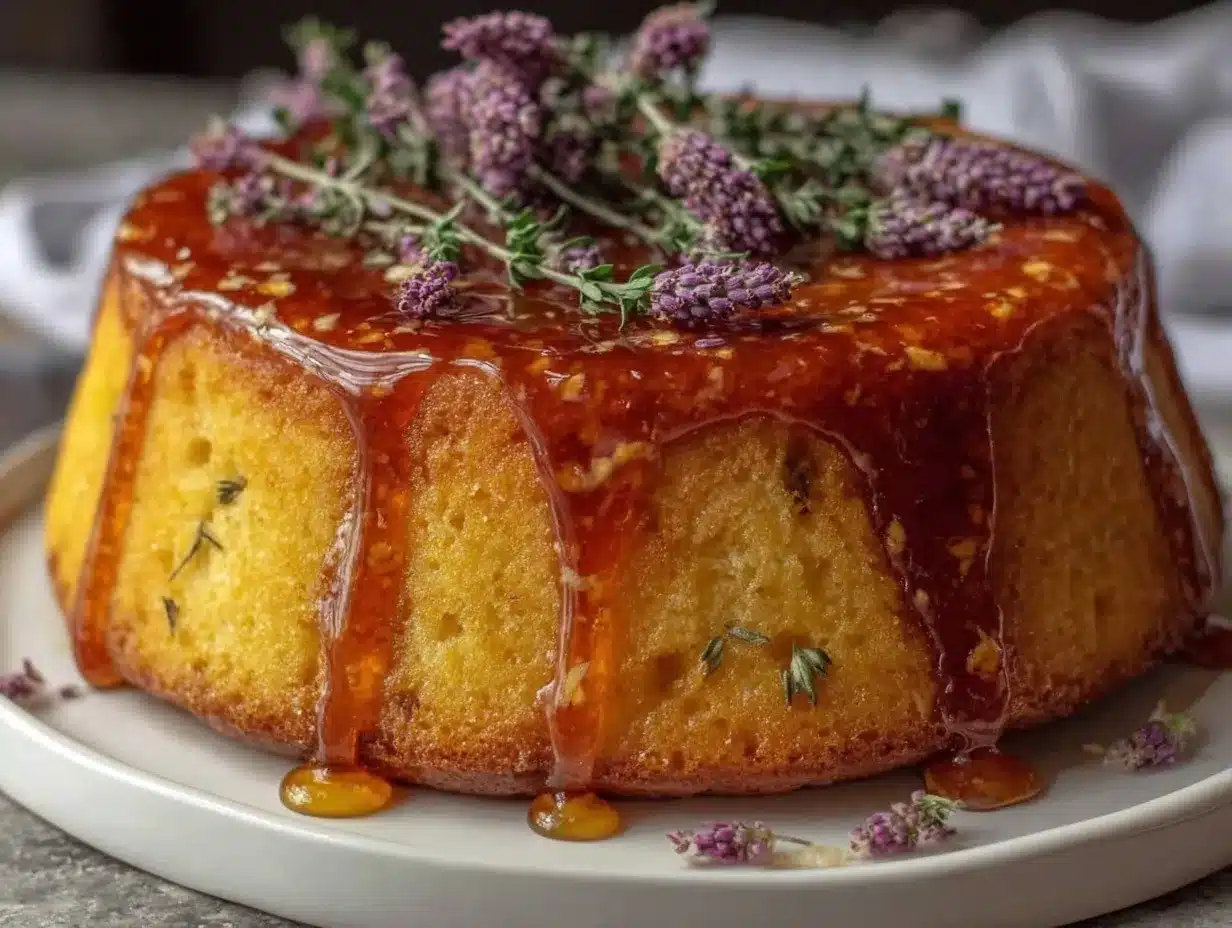
Ready to make your Lavender Honey Cake? Here’s my step-by-step method, with tips I’ve learned over many batches. Let’s get baking!
- Preheat and Prep: Preheat your oven to 350°F (175°C). Grease an 8-inch (20cm) round cake pan and line the bottom with parchment paper.
- Infuse the Milk: In a small saucepan, combine the whole milk and dried lavender buds. Heat gently (don’t boil!) for 3–4 minutes, just until fragrant. Remove from heat, let steep for 10 minutes, then strain out the lavender. Set aside to cool.
- Mix Dry Ingredients: In a medium bowl, sift together the flour, baking powder, and salt. Stir in lemon zest if using.
- Cream Butter and Sugar: In a large bowl, beat the softened butter and granulated sugar together for 3–4 minutes until light and fluffy. The mixture should look pale and airy.
- Add Eggs and Honey: Beat in eggs, one at a time, mixing well after each. Drizzle in the honey and vanilla extract, continuing to mix until smooth.
- Combine Wet and Dry: Add half the dry ingredients to the butter mixture, mix gently. Pour in the strained lavender milk, then add the rest of the dry ingredients. Mix until just combined—don’t overmix, or your cake may turn out dense.
- Bake: Pour the batter into the prepared pan and smooth the top with a spatula. Bake for 28–32 minutes, or until a toothpick inserted in the center comes out clean and the cake is golden (the edges will pull away slightly).
- Cool: Let the cake cool in the pan for 10 minutes. Then run a knife around the edge, turn it out onto a wire rack, and let cool completely. (If you rush this step, the glaze will melt right off.)
- Make the Honey Glaze: In a bowl, whisk together powdered sugar, honey, milk or cream, lemon juice, and a pinch of salt. The glaze should be thick but pourable—add a little more milk if needed.
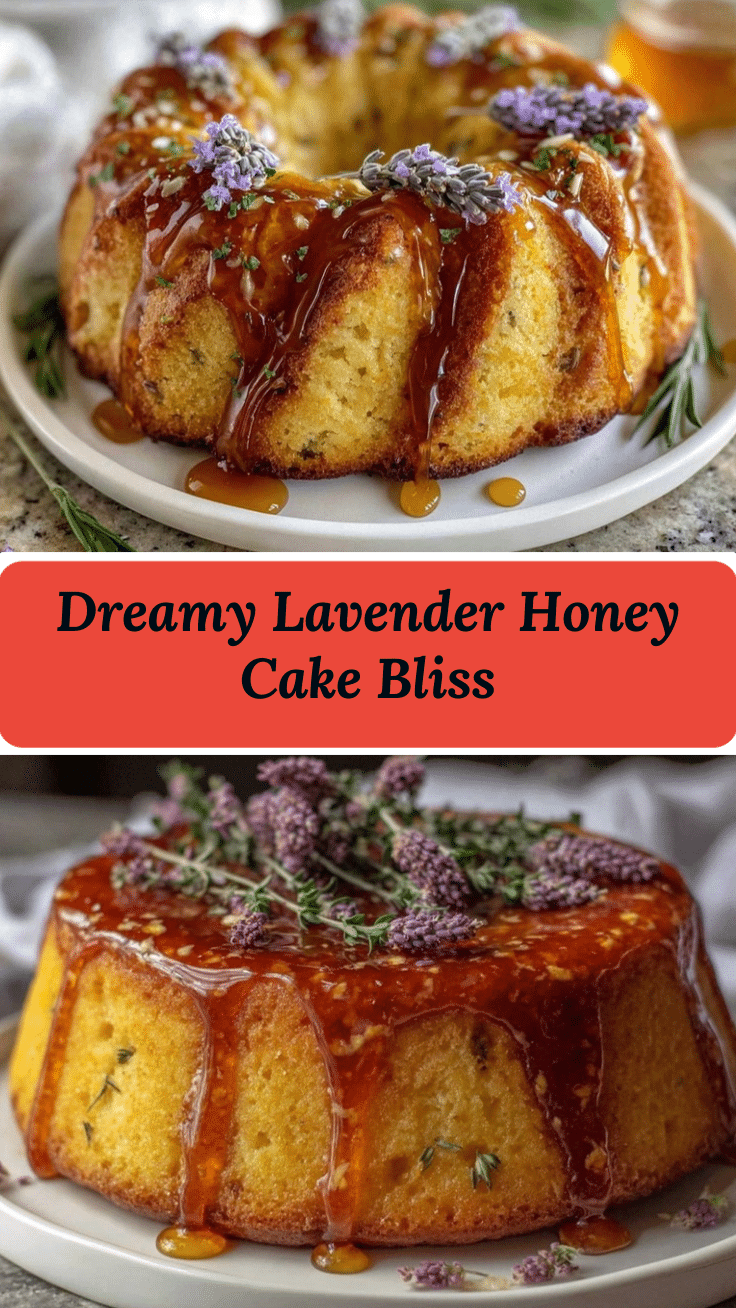
- Glaze the Cake: Once the cake is cool, place it on your serving plate. Drizzle the honey glaze over the top, letting it drip down the sides naturally. For an extra flourish, sprinkle a few dried lavender buds or lemon zest on top.
Troubleshooting tips: If your cake sinks in the middle, double-check your baking powder’s freshness. If the glaze is too runny, add more powdered sugar. If the cake sticks, let it cool longer in the pan. Sensory cue—your kitchen will smell like a field of wildflowers when it’s ready!
Cooking Tips & Techniques
Here’s the inside scoop from my kitchen to yours. After a few lavender mishaps (once, I overdid it and it tasted like potpourri), I’ve learned some tricks for perfect results every time.
- Lavender Dosage: Less is more! Measure carefully—too much is overpowering. Culinary-grade lavender is a must; garden lavender can be bitter.
- Creaming Butter: Don’t rush this step. Properly creamed butter and sugar mean a lighter cake (if you skip, the crumb gets heavy).
- Mixing: Overmixing after adding flour can toughen the cake. Stir until just combined—some lumps are okay.
- Glaze Consistency: Test the glaze with a spoon. It should slowly run off, not flood the cake. If it’s too thick, a splash more milk does the trick.
- Timing: Bake until the edges are golden and a toothpick comes out clean. Don’t rely on just the timer—trust your eyes and nose.
- Multitasking: While the cake bakes, prep the glaze or clean up. I usually make tea to sip while waiting (pro tip: honey lavender tea pairs perfectly!).
Common mistake—using regular garden lavender. I did this once, and the cake tasted like soap. Stick to culinary lavender, and you’ll avoid that pitfall. Another lesson learned: always cool the cake before glazing, or you’ll have a sticky puddle instead of a glossy finish. So, patience pays off here!
Variations & Adaptations
One of the best things about this Lavender Honey Cake recipe is how easy it is to adapt. Here are a few ways to make it your own:
- Gluten-Free: Use a 1:1 gluten-free flour blend instead of all-purpose. The texture stays tender and moist.
- Dairy-Free: Swap out the butter for vegan butter and use plant-based milk (like almond or oat). The flavor is still dreamy.
- Seasonal Twist: Top the cake with fresh berries (blueberries or raspberries are great) for summer gatherings.
- Flavor Swap: If lavender isn’t your thing, try dried rose petals or orange zest for a different floral note.
- Bundt or Loaf Version: Bake in a bundt pan or loaf pan; just adjust the baking time and check for doneness with a toothpick.
- Allergen Substitutions: Egg-free? Use a flaxseed egg (1 tbsp flaxseed meal + 2.5 tbsp water per egg). It’s not as fluffy, but still tasty.
I’ve made this cake with lemon glaze instead of honey when I was out of honey—surprisingly good! You can also add a handful of chopped nuts for crunch. Don’t be afraid to experiment; the base recipe is forgiving and versatile.
Serving & Storage Suggestions
This cake is best served at room temperature, with the honey glaze freshly set. For a pretty presentation, place the cake on a white platter and sprinkle extra lavender buds or lemon zest on top. It pairs beautifully with hot tea—especially herbal blends like chamomile or mint—and a dollop of whipped cream on the side.
Got leftovers? Store the cake in an airtight container at room temperature for up to 2 days. For longer storage, refrigerate for up to 5 days (though the texture is best fresh). To freeze, wrap individual slices in plastic wrap and pop in a freezer bag; thaw at room temperature before enjoying.
To reheat, microwave slices for 10–15 seconds, or warm in a low oven. The flavors actually deepen after a day or two, so don’t be surprised if the cake tastes even better after resting.
Nutritional Information & Benefits
Here’s a rough estimate per slice (based on 10 servings):
- Calories: 265
- Fat: 10g
- Carbs: 40g
- Protein: 4g
- Sugar: 28g
This Lavender Honey Cake is lower in fat than most traditional cakes, thanks to the use of honey as a sweetener. Honey brings antioxidants and natural soothing properties, while lavender is known for its calming effects. The cake is easily adaptable for gluten-free or dairy-free diets—just use the suggested swaps. Watch out if you have allergies to eggs, milk, or gluten (as always, check your ingredient labels). Personally, I love how this cake offers a treat without feeling heavy—perfect for a mindful sweet tooth!
Conclusion
If you’re on the hunt for an easy homemade dessert that feels special without being fussy, this Lavender Honey Cake recipe is it. The gentle floral notes, the golden crumb, and that glossy honey glaze make every bite memorable. Don’t be shy—tweak the recipe to match your pantry and taste buds (I’ve done it more times than I can count!).
Honestly, I adore this cake because it brings people together—whether for family tea time, potlucks, or just a quiet moment with coffee. If you give it a try, let me know in the comments how it turned out, or share your own creative twist! Bookmark it, share it, or pin it to your favorite Pinterest board—this cake is sure to become a staple in your kitchen.
And remember, even the best cakes come from a little experimenting—and a whole lot of heart. Happy baking!
Frequently Asked Questions
Can I use fresh lavender instead of dried lavender?
Fresh lavender can be used, but it’s stronger and can taste grassy. Stick to culinary-grade dried lavender for best results (trust me, I learned this the hard way!).
What’s the best honey for this cake?
A mild, floral honey like clover or orange blossom works beautifully. Stronger honeys can overpower the delicate lavender flavor.
How do I keep the cake moist?
Don’t overbake! Check for doneness with a toothpick at 28 minutes. Also, store the cake airtight once cooled—this helps keep it soft.
Can I make this cake ahead of time?
Yes! The cake actually tastes better the next day as the flavors meld. Just glaze before serving for the best glossy finish.
Is this Lavender Honey Cake recipe kid-friendly?
Absolutely. The lavender flavor is subtle, and the honey glaze is a hit with kids. My own children can’t resist sneaking a slice!
Pin This Recipe!
Lavender Honey Cake

A tender, buttery cake infused with delicate lavender and sweet honey, finished with a glossy honey glaze. This easy homemade dessert is perfect for brunch, tea time, or any special occasion.
- Prep Time: 20 minutes
- Cook Time: 32 minutes
- Total Time: 52 minutes
- Yield: 10 servings 1x
- Category: Dessert
- Cuisine: American
Ingredients
- 1 3/4 cups all-purpose flour (210g)
- 2 teaspoons baking powder (8g)
- 1/4 teaspoon salt (1g)
- 1/2 cup unsalted butter, softened (115g)
- 3/4 cup granulated sugar (150g)
- 1/4 cup plus 2 tablespoons honey (90g)
- 2 large eggs, room temperature
- 1/2 cup whole milk (120ml)
- 2 teaspoons dried edible lavender buds (3g), culinary grade
- 1 teaspoon pure vanilla extract (5ml)
- Zest from 1 lemon (optional)
- For the Honey Glaze:
- 1 cup powdered sugar (120g)
- 1 tablespoon honey (30g)
- 2–3 tablespoons whole milk or cream (30–45ml)
- 1/2 tablespoon lemon juice (7ml, optional)
- Pinch of salt
Instructions
- Preheat oven to 350°F (175°C). Grease an 8-inch round cake pan and line the bottom with parchment paper.
- In a small saucepan, combine whole milk and dried lavender buds. Heat gently (do not boil) for 3–4 minutes until fragrant. Remove from heat, let steep for 10 minutes, then strain out lavender. Set aside to cool.
- In a medium bowl, sift together flour, baking powder, and salt. Stir in lemon zest if using.
- In a large bowl, beat softened butter and granulated sugar for 3–4 minutes until light and fluffy.
- Beat in eggs one at a time, mixing well after each. Add honey and vanilla extract, mixing until smooth.
- Add half the dry ingredients to the butter mixture and mix gently. Pour in strained lavender milk, then add remaining dry ingredients. Mix until just combined; do not overmix.
- Pour batter into prepared pan and smooth the top. Bake for 28–32 minutes, until a toothpick inserted in the center comes out clean and cake is golden.
- Let cake cool in pan for 10 minutes. Run a knife around the edge, turn out onto a wire rack, and cool completely.
- For the glaze: In a bowl, whisk together powdered sugar, honey, milk or cream, lemon juice, and a pinch of salt. Glaze should be thick but pourable; add more milk if needed.
- Once cake is cool, place on serving plate and drizzle honey glaze over top, letting it drip down sides. Optionally, sprinkle with dried lavender buds or lemon zest.
Notes
Use culinary-grade dried lavender for best flavor; garden lavender can taste bitter. For gluten-free or dairy-free adaptations, substitute with a 1:1 gluten-free flour blend and plant-based milk/butter. Cool cake completely before glazing to prevent glaze from melting. Add fresh berries or nuts for a seasonal twist.
Nutrition
- Serving Size: 1 slice (1/10 of cak
- Calories: 265
- Sugar: 28
- Sodium: 120
- Fat: 10
- Saturated Fat: 6
- Carbohydrates: 40
- Fiber: 1
- Protein: 4
Keywords: lavender honey cake, honey glaze, floral dessert, easy cake recipe, spring dessert, tea cake, brunch cake, homemade cake