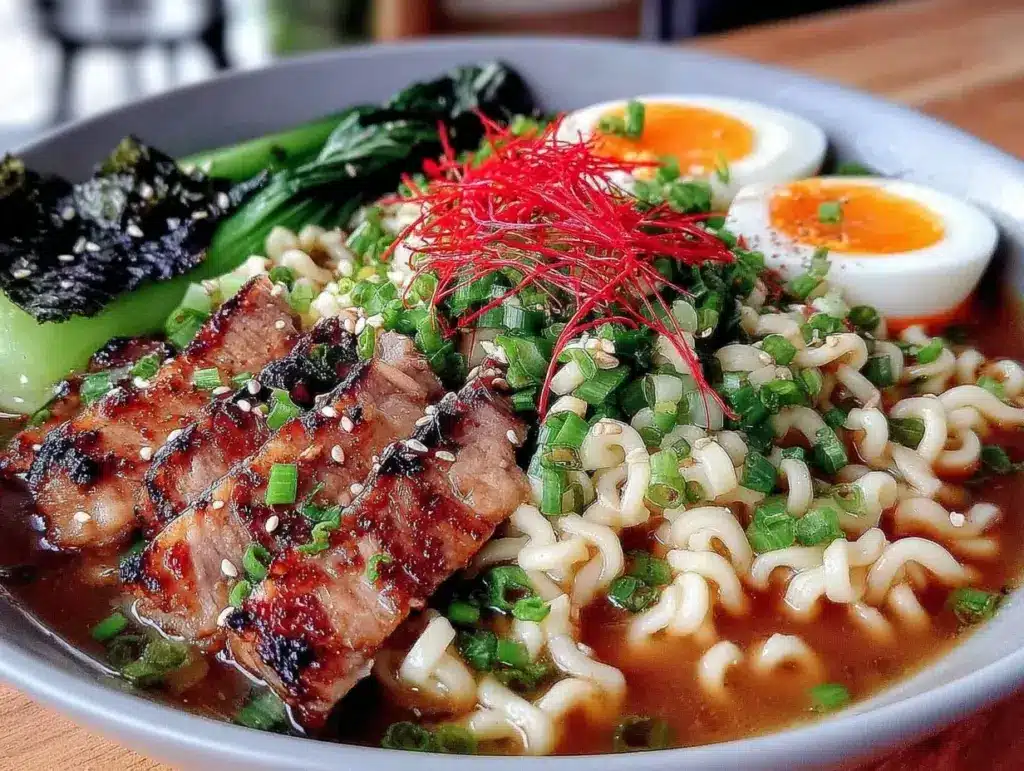
Picture this: you walk into your kitchen on a chilly evening, and the aroma of simmering chicken bones, ginger, and garlic fills the air. The windows are fogged up, your favorite mug is still warm from tea, and that first spoonful of homemade ramen broth tastes like pure, soul-soothing comfort. Honestly, the first time I finally conquered making cozy homemade ramen from scratch, I was transported right back to my college days, when my friends and I would squeeze around a small table in Tokyo and slurp noodles with reckless abandon. It was the kind of moment where you pause, take a deep breath, and just smile because you know you’re onto something truly special.
Years ago, when I was knee-high to a grasshopper, ramen meant those wavy instant noodles and neon seasoning packets. But after a rainy weekend spent binge-watching food shows, I decided to try making rich ramen broth from scratch—no shortcuts, no mystery powders. My grandma always said the best soups take patience and love, and now I totally get it! The first batch was a little bland (rookie mistake—forgot the miso), but my family couldn’t stop sneaking bites off the stove anyway. Even my picky kiddo gave me the “Can we have this every week?” look.
Let’s face it, homemade ramen is dangerously easy once you know the steps, and the results are pure, nostalgic comfort. I wish I’d discovered this method years ago. This recipe has become a staple for family gatherings, sick days, and gifting a jar of broth to friends. It’s perfect for potlucks, cozy movie nights, or when you just want to brighten up your Pinterest soup board. Honestly, you’re going to want to bookmark this one—it feels like a warm hug and tastes even better.
Why You’ll Love This Cozy Homemade Ramen Recipe
After years of taste-testing ramen in tiny noodle shops and a lot of trial and error at home, I can say this homemade ramen recipe is a game-changer. Here’s why it’s the one you’ll come back to again and again (and why my family insists I make double batches):
- Quick & Easy: Comes together in about 45 minutes if you prep the broth ahead—perfect for busy weeknights or last-minute cravings.
- Simple Ingredients: No fancy grocery trips needed. Most of what you need is probably already hiding in your fridge or pantry.
- Perfect for Any Occasion: Great for casual dinners, impressing brunch guests, cozy holiday gatherings, or even as a comforting lunch on a rainy day.
- Crowd-Pleaser: Gets rave reviews from kids and adults alike. Even my neighbor, who swears by his favorite ramen takeout, admits mine is better (not that I’m bragging, but…!).
- Unbelievably Delicious: The broth is rich and layered, the noodles have that perfect chew, and the toppings are a choose-your-own-adventure of flavor and texture.
This recipe is different because the broth is deeply flavored without needing hours on the stove—my secret is roasting the aromatics before simmering. The noodles are springy, not soggy, and you can pile on as many toppings as you want—soft-boiled eggs, crisp veggies, melt-in-your-mouth pork, you name it.
Whether you’re craving comfort food that’s not just good but makes you close your eyes and sigh after the first bite, or you want to impress without stress, this homemade ramen recipe is your ticket. It’s honestly the kind of meal that turns an ordinary night into something memorable.
What Ingredients You Will Need
This cozy homemade ramen recipe uses simple, wholesome ingredients to deliver bold flavor and that slurp-worthy texture we all crave. Most are pantry staples, and you can easily swap or add what you like. Here’s what you’ll need for the ramen broth and toppings:
- For the broth:
- 3 lbs (1.4 kg) chicken bones or wings (adds rich flavor)
- 1 lb (450 g) pork neck bones or shoulder (optional, for extra depth)
- 2-inch piece fresh ginger, sliced
- 4 cloves garlic, smashed
- 1 small onion, quartered
- 2 tbsp (30 ml) soy sauce (I like Kikkoman for balance)
- 1 tbsp (15 ml) miso paste (white or red, for umami)
- 1 tbsp (15 ml) sake or dry sherry (optional, boosts aroma)
- 1 tbsp (15 ml) sesame oil
- 8 cups (2 liters) water
- Salt and pepper to taste
- For the noodles:
- 14 oz (400 g) fresh ramen noodles (or dried—look for “chuka soba”)
- If gluten-free: Use rice noodles or gluten-free ramen noodles
- Toppings (choose your favorites):
- 2 large eggs (for soft-boiled ramen eggs)
- 1 cup (150 g) sliced mushrooms (shiitake or cremini work great)
- 1 cup (120 g) baby spinach or bok choy leaves
- 1/2 cup (60 g) corn kernels (fresh or frozen)
- 1 sheet nori (seaweed), cut into strips
- 1/2 cup (40 g) green onions, thinly sliced
- Cooked pork belly or shredded rotisserie chicken (for protein—totally optional)
- Sesame seeds, chili oil, or sriracha (for garnish)
- Ingredient notes:
- If you can, get fresh noodles from an Asian market—they’re worth it.
- Look for firm, small-curd miso paste for best texture.
- Swap in spinach or kale for the greens, or use seasonal veggies like roasted squash in winter.
- Vegetarian option: Omit pork and use extra mushrooms plus dried kombu in the broth.
- Dairy-free? This recipe is naturally dairy-free!
If you want to get fancy, add a splash of mirin or a dash of white pepper to the broth. Honestly, the toppings are a blank canvas—pile on what makes your taste buds happy!
Equipment Needed
You don’t need a fancy ramen setup to get restaurant-quality results at home. Here’s what you’ll need for cozy homemade ramen from scratch:
- Stockpot or Dutch oven: For simmering the broth. I’ve used both, and my old enamel Dutch oven works best (easy to clean, too).
- Fine mesh strainer or cheesecloth: For straining out aromatics and bones from the broth. If you don’t have a strainer, a slotted spoon works in a pinch.
- Medium saucepan: For boiling eggs and blanching veggies.
- Large mixing bowl: For prepping toppings.
- Noodle tongs or chopsticks: Makes grabbing noodles way easier (though a fork will do).
- Ladle: For serving broth, obviously.
- Ramen bowls: Big and deep, so you can fit all those toppings!
If you’re on a budget, use any deep soup bowls and regular tongs. I’ve made ramen in my basic stockpot for years—no need for anything fancy. Just keep your strainer clean and rinse it after each batch so the broth stays clear and tasty.
Preparation Method
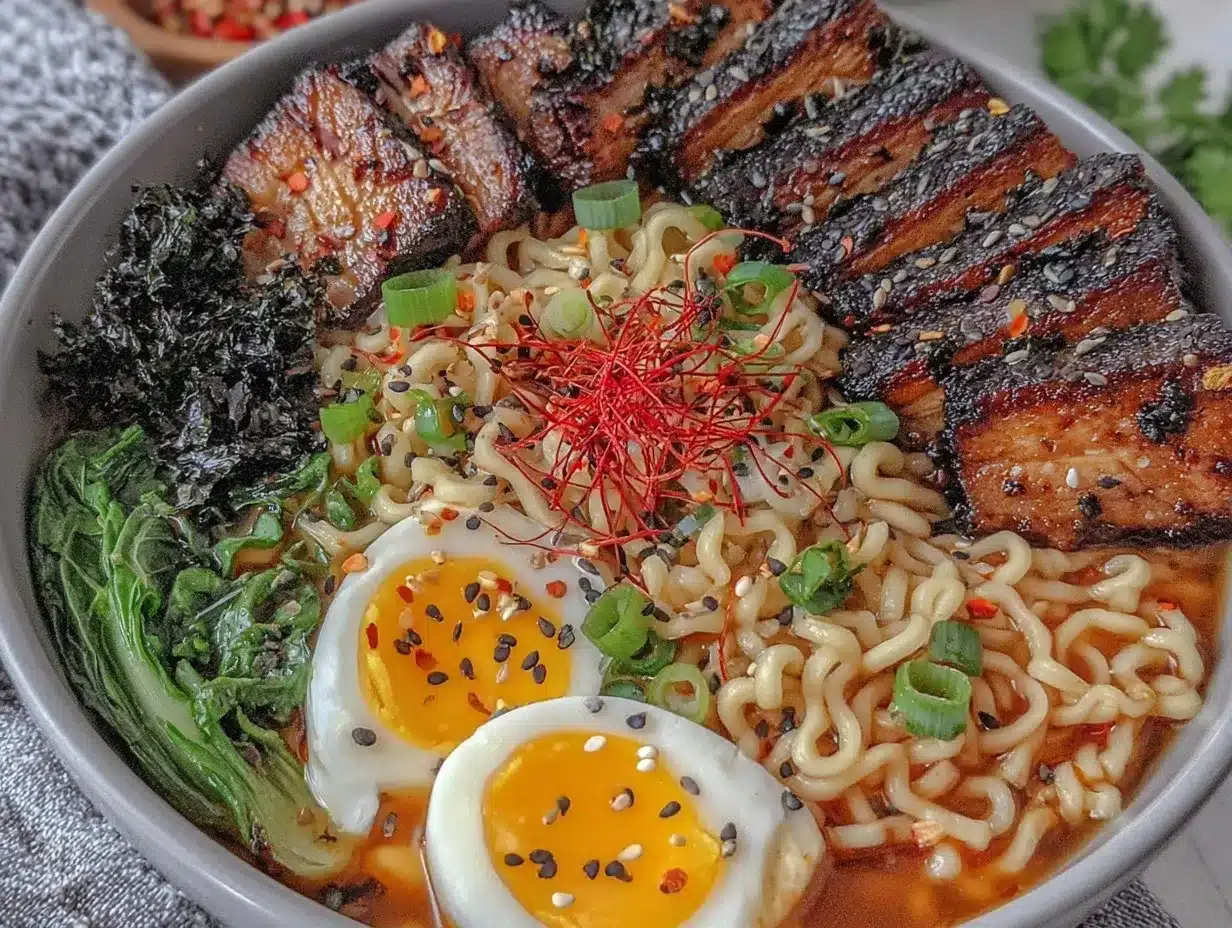
Ready to make the coziest homemade ramen from scratch? Here’s exactly how I do it, step by step. Trust me, it’s easier than you’d think—and the results are unbeatable!
-
Roast the aromatics:
Preheat your oven to 400°F (200°C). Place ginger, garlic, and onion on a baking sheet. Drizzle with 1 tbsp sesame oil. Roast for 15 minutes until edges are golden and fragrant. (This step adds major depth—don’t skip it!) -
Simmer the broth:
Add roasted aromatics, chicken bones, and pork bones to a large stockpot. Pour in 8 cups (2 liters) of water. Bring to a boil, then reduce heat and simmer gently for 40-60 minutes. Skim off any foam that rises (keeps the broth clear). If you want ultra-rich broth, simmer up to 2 hours. -
Season the broth:
Stir in soy sauce, miso paste, and sake (if using). Taste and add salt or pepper as needed. Simmer 5 more minutes. If broth tastes flat, add a pinch more miso or a dash of white pepper. -
Strain the broth:
Use a fine mesh strainer or cheesecloth to remove bones and aromatics. Return clear broth to the pot and keep warm over low heat. -
Prepare the noodles:
Bring a medium pot of water to a rolling boil. Add ramen noodles and cook according to package directions (usually 3-4 minutes for fresh, 5 minutes for dried). Don’t overcook—no one likes mushy noodles! Drain and rinse briefly with warm water. Toss with a splash of sesame oil to prevent sticking. -
Make ramen eggs:
Bring water to a boil, gently lower eggs in, then simmer for 7 minutes. Transfer eggs to ice water for 3 minutes. Peel and slice in half. (Soft yolks are key—overcooked eggs aren’t as dreamy.) -
Prepare toppings:
Blanch spinach or bok choy in simmering water for 1 minute. Sauté mushrooms in a pan until golden. Slice green onions and nori. -
Assemble your bowls:
Divide noodles between 4 large bowls (about 3.5 oz / 100 g per bowl). Ladle hot broth over noodles. Arrange eggs, veggies, corn, and protein on top. Sprinkle with sesame seeds, drizzle chili oil, and add nori strips. -
Serve immediately:
Ramen is best enjoyed piping hot. Slurp away! (If broth cools, reheat gently—don’t boil again or flavor will fade.)
Preparation notes: If you run out of time, make the broth ahead and refrigerate up to 3 days. Noodles should be cooked fresh for best texture. If your broth looks cloudy, strain it again. I’ve learned the hard way—don’t skip skimming foam or your broth will be greasy. Taste as you go, especially with miso—some brands are saltier than others.
Cooking Tips & Techniques
Getting homemade ramen just right is all about technique (and a bit of patience). Here are my favorite pro tips, learned from lots of kitchen mishaps and ramen shop visits:
- Roast the aromatics: Roasting ginger, garlic, and onion before simmering makes the broth naturally sweeter and deeper.
- Don’t rush the broth: Even if you’re tempted, let it simmer slowly. High heat makes the broth cloudy and oily.
- Skim, skim, skim: Use a spoon to skim off foam and fat every 15 minutes. This keeps the flavor clean and prevents weird bits in your bowl.
- Miso matters: Add miso at the end, not the beginning, so you don’t cook off all that lovely umami.
- Egg perfection: Timing is everything—7 minutes for soft yolks, then straight into ice water. If you forget, you’ll get hard-boiled eggs (not the end of the world, but not as dreamy).
- Multitasking: Prep toppings while broth simmers. Cook noodles last, right before serving. I used to let noodles sit, but they get gummy fast.
- Consistency: Taste test every batch of broth. Some days I need more salt, sometimes a dash of soy. Trust your palate!
- Common mistakes: Overcooking noodles, using too much miso, skipping the strain. I’ve made all of these mistakes—learn from me!
Honestly, once you get the hang of it, homemade ramen is super forgiving. If the broth is too salty, add a splash of water. If it’s bland, add a touch more soy or miso. And remember, ramen is meant to be slurped and enjoyed—not fussed over!
Variations & Adaptations
One of the best things about making cozy homemade ramen from scratch is how customizable it is. Here are some of my favorite ways to switch things up:
- Vegetarian Ramen: Replace chicken and pork bones with dried shiitake mushrooms and kombu (dried kelp). Use vegetable broth and skip the meat toppings. Add extra tofu and greens for protein.
- Low-Carb Option: Substitute ramen noodles with spiralized zucchini or shirataki noodles. (I’ve tried this for a light lunch—surprisingly satisfying!)
- Spicy Miso Ramen: Add 1 tablespoon chili paste or a splash of sriracha to the broth. Top with extra chili oil and sliced jalapeños for heat lovers.
- Seasonal Toppings: In summer, add roasted corn, snap peas, or grilled shrimp. In winter, try roasted squash, sweet potatoes, or sautéed mushrooms.
- Allergen Substitutions: If you’re gluten-free, use tamari instead of soy sauce, gluten-free noodles, and double-check your miso brand.
My personal favorite variation is swapping pork belly for shredded rotisserie chicken on busy nights. It’s fast, easy, and my kids love it. Honestly, ramen is all about making it your own. Use what you love, try new toppings, and let your taste buds lead the way.
Serving & Storage Suggestions
Homemade ramen is best enjoyed piping hot and fresh, so serve it straight from the stove for maximum flavor. Here’s how I like to present it and keep leftovers tasting great:
- Serving: Use deep, wide bowls so you can pile on noodles and toppings. Garnish with nori strips, a sprinkle of sesame seeds, and a drizzle of chili oil for that Instagram-worthy look.
- Presentation: Slice eggs neatly, arrange veggies in colorful bunches, and keep protein tucked on the side for easy slurping.
- Pairings: I love serving ramen with a light cucumber salad, pickled veggies, or iced green tea. It’s also great with steamed dumplings if you want to make it a feast.
- Storage: Store leftover broth in a sealed container in the fridge for up to 3 days, or freeze up to 2 months. Keep cooked noodles separate so they don’t get mushy.
- Reheating: Warm broth gently over low heat. Boil noodles fresh if possible, or reheat briefly in hot water. Toppings like veggies and eggs can be added cold or warmed in the broth.
- Flavor notes: Broth gets even better after a night in the fridge—flavors meld and deepen. Noodles, though, are best fresh every time.
Don’t be afraid to prep toppings ahead and let everyone customize their bowls. It’s half the fun!
Nutritional Information & Benefits
Here’s a quick rundown of the nutritional perks and considerations for cozy homemade ramen:
- Estimated per serving (broth, noodles, toppings):
- Calories: 480
- Protein: 25g
- Fat: 18g
- Carbohydrates: 52g
- Sodium: 1200mg (varies by soy/miso used)
- Health benefits: Homemade broth is packed with minerals, collagen, and amino acids—great for gut health and immune support. Eggs add protein, veggies offer fiber and vitamins, and you can adjust sodium and carbs with your choice of noodles and toppings.
- Dietary notes: Naturally dairy-free. Use gluten-free noodles and tamari for GF. Vegetarian adaptation is easy—see above.
- Allergens: Contains soy (from miso/soy sauce), eggs, wheat (unless GF noodles used). Always check labels if you’re serving folks with allergies.
Honestly, I love how customizable ramen is for my family’s wellness needs. You can make it lighter, pack in extra veggies, or go all-in for a hearty meal—your call!
Conclusion
If you’re looking for a homemade ramen recipe that’s easy, deeply flavorful, and adaptable to any taste or dietary need, this is the one. It’s become a staple in my kitchen for everything from family dinners to cozy solo nights. The rich broth, springy noodles, and endless toppings just never get old.
Customize your bowls, tweak the broth, and try new toppings—make it yours! I love this recipe because it brings people together and always sparks conversation (and happy slurping sounds). Honestly, I can’t imagine my soup rotation without it.
Give it a try, share your own twists in the comments, and let me know if you discover a topping combo I need to try! Tag your creations and spread the ramen joy. Here’s to more cozy nights and delicious homemade ramen—happy cooking!
FAQs
Can I make ramen broth ahead of time?
Absolutely! Homemade ramen broth can be made up to 3 days ahead and refrigerated. You can also freeze it for up to 2 months. Just reheat gently before serving.
What type of noodles work best for homemade ramen?
Fresh ramen noodles from an Asian market are ideal, but dried ramen or “chuka soba” work too. For gluten-free, use rice noodles or GF ramen.
How do I make vegetarian ramen?
Omit the chicken and pork bones, and use vegetable broth with dried shiitake mushrooms and kombu for depth. Add tofu and extra veggies for protein.
Can I add different toppings?
Yes! Ramen is all about customization. Try soft-boiled eggs, roasted veggies, seaweed, chicken, pork belly, or even grilled shrimp. Let your taste buds lead!
Is homemade ramen healthy?
Homemade ramen is much healthier than instant versions—lower in additives, and full of fresh veggies and lean protein. Adjust sodium and fat to your needs by tweaking the broth and toppings.
Pin This Recipe!

Homemade Ramen Recipe Easy Step-by-Step with Rich Broth and Toppings

This cozy homemade ramen recipe features a rich, deeply flavored broth, springy noodles, and customizable toppings. It’s easy to make, adaptable for dietary needs, and perfect for family dinners or comforting solo nights.
- Prep Time: 15 minutes
- Cook Time: 45 minutes
- Total Time: 1 hour
- Yield: 4 servings 1x
- Category: Main Course
- Cuisine: Japanese
Ingredients
- 3 lbs chicken bones or wings
- 1 lb pork neck bones or shoulder (optional)
- 2-inch piece fresh ginger, sliced
- 4 cloves garlic, smashed
- 1 small onion, quartered
- 2 tbsp soy sauce
- 1 tbsp miso paste (white or red)
- 1 tbsp sake or dry sherry (optional)
- 1 tbsp sesame oil
- 8 cups water
- Salt and pepper to taste
- 14 oz fresh ramen noodles (or dried ‘chuka soba’)
- 2 large eggs
- 1 cup sliced mushrooms (shiitake or cremini)
- 1 cup baby spinach or bok choy leaves
- 1/2 cup corn kernels (fresh or frozen)
- 1 sheet nori (seaweed), cut into strips
- 1/2 cup green onions, thinly sliced
- Cooked pork belly or shredded rotisserie chicken (optional)
- Sesame seeds, chili oil, or sriracha (for garnish)
Instructions
- Preheat oven to 400°F. Place ginger, garlic, and onion on a baking sheet, drizzle with sesame oil, and roast for 15 minutes until golden and fragrant.
- Add roasted aromatics, chicken bones, and pork bones to a large stockpot. Pour in water, bring to a boil, then reduce heat and simmer gently for 40-60 minutes, skimming foam as needed.
- Stir in soy sauce, miso paste, and sake (if using). Taste and add salt or pepper as needed. Simmer 5 more minutes.
- Strain the broth using a fine mesh strainer or cheesecloth. Return clear broth to the pot and keep warm over low heat.
- Bring a medium pot of water to a rolling boil. Add ramen noodles and cook according to package directions (3-4 minutes for fresh, 5 minutes for dried). Drain, rinse briefly with warm water, and toss with a splash of sesame oil.
- Bring water to a boil, gently lower eggs in, then simmer for 7 minutes. Transfer eggs to ice water for 3 minutes, peel, and slice in half.
- Blanch spinach or bok choy in simmering water for 1 minute. Sauté mushrooms until golden. Slice green onions and nori.
- Divide noodles between 4 large bowls. Ladle hot broth over noodles. Arrange eggs, veggies, corn, and protein on top. Sprinkle with sesame seeds, drizzle chili oil, and add nori strips.
- Serve immediately while hot. Reheat broth gently if needed.
Notes
Roasting aromatics adds depth to the broth. Skim foam regularly for a clear broth. Add miso at the end for best flavor. Noodles should be cooked fresh for best texture. Broth can be made ahead and refrigerated for up to 3 days or frozen for 2 months. Customize toppings to your preference. For vegetarian, use mushrooms and kombu instead of meat.
Nutrition
- Serving Size: 1 large bowl (about
- Calories: 480
- Sugar: 4
- Sodium: 1200
- Fat: 18
- Saturated Fat: 4
- Carbohydrates: 52
- Fiber: 4
- Protein: 25
Keywords: homemade ramen, ramen recipe, easy ramen, rich broth, Japanese noodles, comfort food, soup, customizable toppings, gluten-free option, dairy-free, miso ramen, chicken ramen, pork ramen