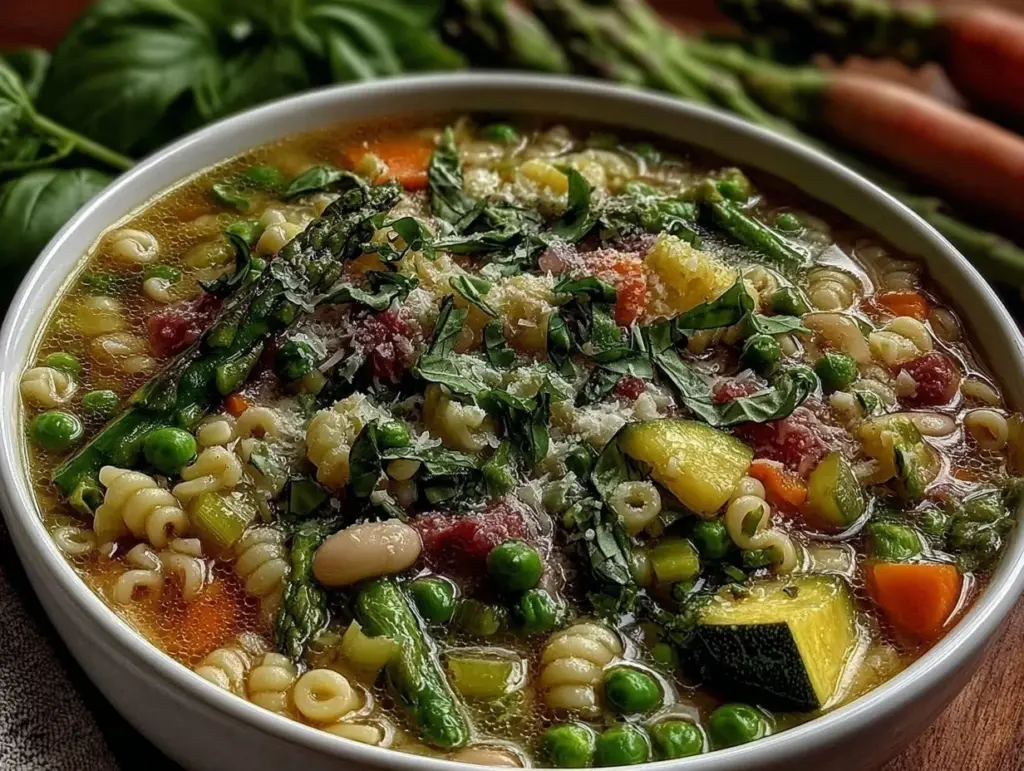
“You know that feeling when a sudden spring breeze carries the fresh scent of garden veggies right to your kitchen window? That’s exactly how this fresh spring vegetable minestrone soup came into my life. It all started last April, on a chilly Wednesday evening when I was rummaging through the farmers’ market after work. I bumped into Mrs. Calderon, my elderly neighbor and a whiz with all things green and leafy. She wasn’t even trying to sell me anything, just casually chatting about the bounty of spring peas, zucchini, and fresh herbs she’d just picked. Before I knew it, she was scribbling down a rough minestrone recipe on a crumpled paper bag, insisting it was the only soup that made her feel truly alive after a long winter.
Honestly, I was skeptical at first—minestrone can be a bit of a catch-all, right? But I gave it a shot that very night, even though I forgot to soak the beans (classic me), and the kitchen was a bit of a mess with spilled broth and chopped veggies everywhere. What came out was surprisingly light, vibrant, and packed with the kind of wholesome goodness you don’t always find in a bowl of soup. Ever since that slightly chaotic evening, this fresh spring vegetable minestrone soup has been my go-to for those nights when I want something both comforting and nourishing without feeling weighed down.
Maybe you’ve been there—wanting something healthy yet satisfying, simple but full of flavor. This recipe captures that exact balance. Plus, it’s a little tribute to spring’s freshest offerings, turning humble garden produce into a bowl of warmth and vitality. Let me tell you, the way the bright green snap peas pop against the tender carrots and creamy cannellini beans is a feast for both the eyes and the palate. This soup isn’t just a meal; it’s a light, wholesome experience that brings a bit of the garden indoors, no matter the weather outside.
Why You’ll Love This Recipe
If you’ve ever hesitated to try minestrone because it seemed complicated or too heavy, this fresh spring vegetable minestrone soup will change your mind. I’ve tested this recipe multiple times, tweaking the balance of vegetables and seasoning until it felt just right for both weeknight dinners and casual lunches. Here’s why it stands out:
- Quick & Easy: Ready in under 45 minutes, perfect for those busy evenings when you want something nutritious without fuss.
- Simple Ingredients: Uses everyday produce and pantry staples—no need to hunt down fancy items.
- Perfect for Light Meals: Ideal for spring and summer when you crave something fresh yet filling.
- Crowd-Pleaser: My family, who usually complains about veggies, can’t get enough of this vibrant soup.
- Unbelievably Delicious: The medley of tender vegetables, herbs, and beans creates a comforting texture and bright flavor combo.
What makes this recipe different? It’s all about the freshness of the veggies and the way I finish it with a squeeze of lemon and a sprinkle of Parmesan. That little twist lifts the whole dish, giving it a light tang that balances the earthiness of the beans perfectly. Plus, I blend a bit of the soup at the end for a creamy texture without cream—trust me, it’s a game-changer for a lighter minestrone.
This isn’t just a bowl of soup; it’s the kind that makes you pause and savor every spoonful. Whether you’re impressing guests or just treating yourself after a long day, this recipe brings a little bit of spring’s best to your table with no stress.
What Ingredients You Will Need
This fresh spring vegetable minestrone soup relies on simple, wholesome ingredients that combine to deliver bold flavor and a satisfying texture. Most of these should be easy to find at your local market or already in your pantry.
- Olive oil – for sautéing (I prefer extra virgin for its fruity notes)
- Yellow onion, finely chopped
- Garlic cloves, minced (adds depth and warmth)
- Carrots, diced (for sweetness and crunch)
- Celery stalks, diced (classic base flavor)
- Fresh zucchini, cut into small cubes (spring’s star veggie)
- Fresh snap peas, trimmed and halved (adds pop and color)
- Canned diced tomatoes (I use San Marzano for a rich taste)
- Low-sodium vegetable broth – about 6 cups (choose a good quality one for best flavor)
- Cannellini beans, drained and rinsed (for protein and creaminess)
- Small pasta such as ditalini or small shells (about 1 cup)
- Fresh basil, chopped (for brightness at the end)
- Fresh parsley, chopped (adds herbal freshness)
- Grated Parmesan cheese – optional, for serving
- Lemon juice – a squeeze at the end to brighten flavors
- Salt and freshly ground black pepper – to taste
Substitution tips: Use gluten-free pasta to make this gluten-free, or swap cannellini beans for chickpeas if preferred. If you’re avoiding dairy, skip the Parmesan or try a sprinkle of nutritional yeast instead. For a vegan version, just omit the cheese and double-check your broth choice.
Equipment Needed
- Large stockpot or Dutch oven: Ideal for cooking all ingredients evenly. I’ve tried smaller pots, but this size helps everything cook without crowding.
- Wooden spoon or silicone spatula: For stirring without scratching your pot.
- Chef’s knife: Sharp and reliable for chopping all those fresh veggies.
- Cutting board: Preferably one that’s sturdy and easy to clean.
- Measuring cups and spoons: For accuracy, especially with broth and pasta.
- Colander: To rinse beans and drain pasta.
If you don’t have a large pot, a deep skillet with a lid can work in a pinch, but you might need to adjust cooking times. A hand blender is a nice-to-have if you want to blend part of the soup for creaminess, but it’s not necessary. Just a regular blender or even a potato masher can do the trick.
Preparation Method
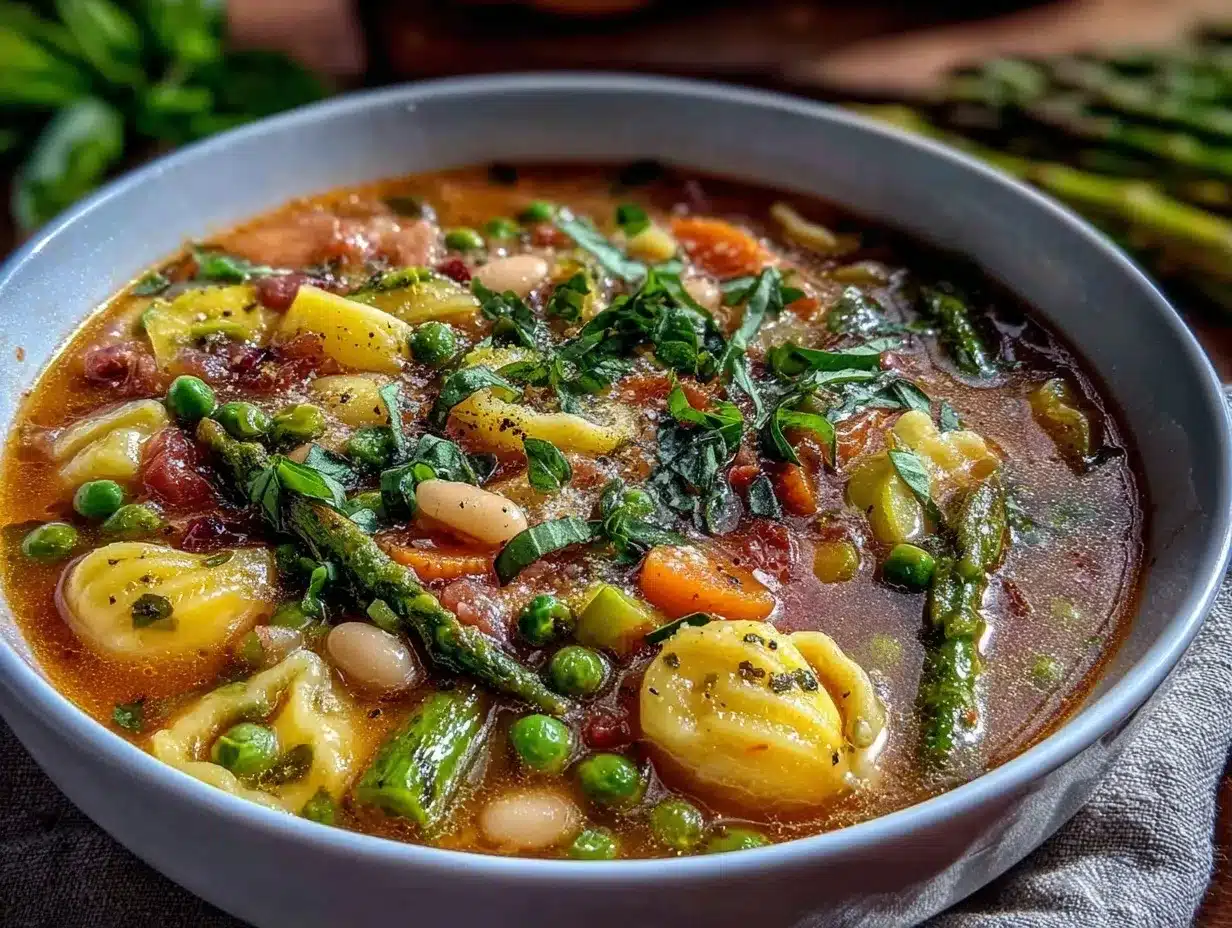
- Heat olive oil in a large stockpot over medium heat (about 2 minutes). You want the oil shimmering but not smoking.
- Add chopped onion, carrot, and celery (about 1 cup each) to the pot. Sauté for 5-7 minutes until veggies soften and onions turn translucent. Stir occasionally to prevent sticking.
- Stir in minced garlic and cook for 30 seconds until fragrant. Be careful not to burn it—garlic turns bitter fast!
- Add diced zucchini and snap peas (about 1 cup each). Cook for 3-4 minutes, just until they start to soften but remain vibrant.
- Pour in canned diced tomatoes (one 14.5-ounce can) with their juices. Stir to combine.
- Pour in vegetable broth (6 cups/1.4 liters) and bring to a gentle boil over medium-high heat.
- Add cannellini beans (about 1 can or 15 ounces, drained and rinsed). Reduce heat to medium-low, cover, and simmer for 15 minutes to blend flavors.
- Meanwhile, cook pasta separately in salted boiling water according to package instructions until al dente (about 7-9 minutes). Drain and set aside.
- After simmering, season soup with salt and freshly ground black pepper to taste.
- Optional step: Use an immersion blender to blend about one-third of the soup in the pot, giving it a creamy texture without adding cream. If you don’t have an immersion blender, transfer a few cups to a regular blender, puree, and return to the pot.
- Stir cooked pasta into the soup just before serving to keep pasta from soaking too long and becoming mushy.
- Finish with fresh herbs: stir in chopped basil and parsley (about 2 tablespoons each).
- Squeeze fresh lemon juice (half a lemon) over the soup and give a final stir. This brightens everything up beautifully.
- Ladle into bowls and top with grated Parmesan if using. Enjoy while warm.
Tip: If you want to prep ahead, keep pasta separate and stir it in just before serving. The soup base stores well in the fridge for up to 4 days.
Cooking Tips & Techniques
One trick I learned the hard way: don’t add pasta too early! It tends to soak up all the broth and become mushy if left in the soup too long. Cooking it separately keeps it perfectly tender and prevents a gloopy mess.
When sautéing your base vegetables—onion, carrots, celery—make sure to cook until softened but not browned. This slow softening releases natural sweetness without adding bitterness.
Using fresh spring vegetables like snap peas and zucchini at their peak really makes a difference. Frozen or out-of-season veggies can work but will lack that bright snap and fresh flavor.
Another tip: for a richer flavor, lightly toast the dried herbs (like oregano or thyme) in the oil before adding the onions. It adds a subtle depth that makes the soup taste homemade in the best way.
Don’t rush the simmering step. Letting the flavors meld for a good 15 minutes after adding broth and beans makes all the difference. You’ll notice the soup’s aroma fill the kitchen—it’s like a warm hug.
Finally, the lemon juice at the end is a small step with a big impact. It lifts the entire dish and balances the creamy beans and starchy pasta perfectly.
Variations & Adaptations
This fresh spring vegetable minestrone soup is wonderfully adaptable to suit different tastes and dietary needs:
- Vegan Version: Skip the Parmesan and use vegetable broth (double-check it’s vegan). Add nutritional yeast for a cheesy hint.
- Grain-Free: Instead of pasta, stir in cooked quinoa or rice for a wholesome twist.
- Spicy Kick: Add a pinch of red chili flakes when sautéing the garlic to warm things up.
- Seasonal Swaps: In early summer, replace snap peas with fresh green beans or baby zucchini.
- Protein Boost: Add shredded cooked chicken or turkey for a heartier meal.
Personally, I sometimes add a handful of spinach or kale right before serving for extra greens. It wilts beautifully in the hot broth without overpowering the delicate spring flavors.
Serving & Storage Suggestions
This minestrone is best served hot, straight from the pot. I like to ladle it into rustic bowls, sprinkle with fresh herbs, and add a wedge of crusty bread for dipping. A light white wine or sparkling water with lemon pairs nicely, keeping the meal fresh and light.
Store leftovers in an airtight container in the refrigerator for up to 4 days. Keep pasta separate if possible to avoid sogginess. When reheating, warm gently on the stove and add a splash of broth or water if it’s thickened too much.
You can freeze the soup base (without pasta) for up to 3 months. Thaw overnight in the fridge and reheat gently, then add freshly cooked pasta before serving.
Over time, the flavors deepen, so leftovers often taste even better the next day. Just remember to add fresh herbs and lemon juice again to revive that bright spring freshness.
Nutritional Information & Benefits
This soup is a nutrient powerhouse, loaded with fiber, vitamins, and plant-based protein. A typical serving (about 1.5 cups) provides roughly:
| Calories | Carbohydrates | Protein | Fat | Fiber |
|---|---|---|---|---|
| 220 | 35g | 10g | 5g | 7g |
Key benefits come from the fresh spring vegetables, which offer antioxidants and vitamins A and C, supporting immunity and skin health. Cannellini beans add plant-based protein and fiber, helping with satiety and digestion.
For those mindful of gluten, simply use gluten-free pasta varieties or grains. This recipe is naturally low in saturated fat, especially if you skip the cheese. It’s a wholesome, balanced meal that fits well into many dietary preferences.
Personally, I find this soup a great option when I want comfort food without the heaviness—perfect for staying energized during busy spring days.
Conclusion
Fresh spring vegetable minestrone soup is one of those recipes that feels like a warm welcome on any night. It’s simple to make, uses fresh pantry and garden staples, and delivers a bowl full of bright, wholesome flavors. Whether you’re new to minestrone or a seasoned fan, this version offers a light, satisfying meal that embraces spring’s best produce without fuss.
Feel free to tweak it according to your taste—add more herbs, swap veggies, or make it heartier with extra protein. Honestly, it’s the kind of recipe that invites experimentation and personalization.
Why do I keep making this soup? It’s that comforting balance of fresh and hearty, familiar yet exciting. Plus, it’s a little reminder that healthy meals don’t have to be complicated or boring. If you give it a try, I’d love to hear your twists or how it fits into your weeknight routine. Drop a comment or share your photos—I’m always here to swap tips and celebrate great food!
Happy cooking and happy spring!
FAQs
Can I make this soup ahead of time?
Absolutely! The soup base can be made a day or two in advance and reheated. Just keep the pasta separate and add it before serving to avoid mushiness.
What can I use instead of cannellini beans?
Great alternatives include chickpeas, navy beans, or kidney beans. Just make sure to rinse canned beans well to reduce sodium.
Is this recipe suitable for vegans?
Yes, simply omit the Parmesan cheese and confirm your vegetable broth is vegan-friendly. You can use nutritional yeast for a cheesy flavor boost.
Can I freeze fresh spring vegetable minestrone soup?
You can freeze the soup base without pasta for up to 3 months. Thaw overnight and reheat gently before adding freshly cooked pasta.
What type of pasta works best in this soup?
Small shapes like ditalini, small shells, or elbow macaroni work best because they mix well and cook quickly. Gluten-free pasta is a good option if needed.
Pin This Recipe!
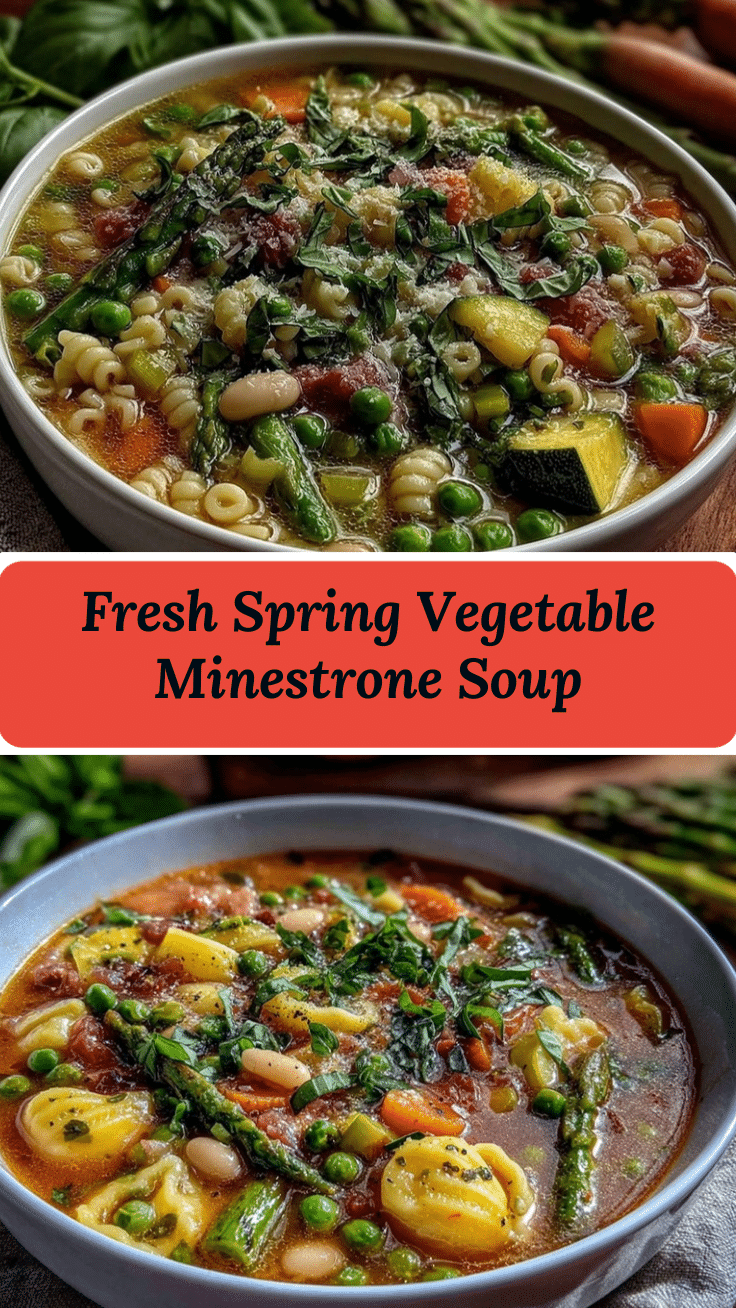
Fresh Spring Vegetable Minestrone Soup

A light, vibrant, and wholesome minestrone soup featuring fresh spring vegetables, beans, and pasta, perfect for a quick and healthy dinner.
- Prep Time: 15 minutes
- Cook Time: 30 minutes
- Total Time: 45 minutes
- Yield: 6 servings 1x
- Category: Main Course
- Cuisine: Italian
Ingredients
- 2 tablespoons olive oil (extra virgin preferred)
- 1 cup yellow onion, finely chopped
- 3 garlic cloves, minced
- 1 cup carrots, diced
- 1 cup celery stalks, diced
- 1 cup fresh zucchini, cut into small cubes
- 1 cup fresh snap peas, trimmed and halved
- 1 (14.5-ounce) can diced tomatoes (San Marzano recommended)
- 6 cups low-sodium vegetable broth
- 1 (15-ounce) can cannellini beans, drained and rinsed
- 1 cup small pasta such as ditalini or small shells
- 2 tablespoons fresh basil, chopped
- 2 tablespoons fresh parsley, chopped
- Grated Parmesan cheese (optional, for serving)
- Juice of half a lemon
- Salt and freshly ground black pepper to taste
Instructions
- Heat olive oil in a large stockpot over medium heat until shimmering, about 2 minutes.
- Add chopped onion, carrot, and celery to the pot. Sauté for 5-7 minutes until vegetables soften and onions turn translucent, stirring occasionally.
- Stir in minced garlic and cook for 30 seconds until fragrant, being careful not to burn it.
- Add diced zucchini and snap peas. Cook for 3-4 minutes until they start to soften but remain vibrant.
- Pour in canned diced tomatoes with their juices and stir to combine.
- Add vegetable broth and bring to a gentle boil over medium-high heat.
- Add cannellini beans, reduce heat to medium-low, cover, and simmer for 15 minutes to blend flavors.
- Meanwhile, cook pasta separately in salted boiling water according to package instructions until al dente (about 7-9 minutes). Drain and set aside.
- Season soup with salt and freshly ground black pepper to taste.
- Optional: Use an immersion blender to blend about one-third of the soup for a creamy texture without cream. Alternatively, blend a few cups in a regular blender and return to the pot.
- Stir cooked pasta into the soup just before serving to prevent mushiness.
- Stir in chopped basil and parsley.
- Squeeze fresh lemon juice over the soup and stir.
- Ladle into bowls and top with grated Parmesan cheese if desired. Serve warm.
Notes
Cook pasta separately and add just before serving to avoid mushiness. Use fresh spring vegetables for best flavor. For vegan version, omit Parmesan and use vegan broth. You can freeze the soup base without pasta for up to 3 months.
Nutrition
- Serving Size: About 1.5 cups
- Calories: 220
- Sugar: 6
- Sodium: 400
- Fat: 5
- Saturated Fat: 1
- Carbohydrates: 35
- Fiber: 7
- Protein: 10
Keywords: minestrone soup, spring vegetable soup, healthy soup, easy dinner, vegetarian soup, gluten-free option, vegan option, quick soup