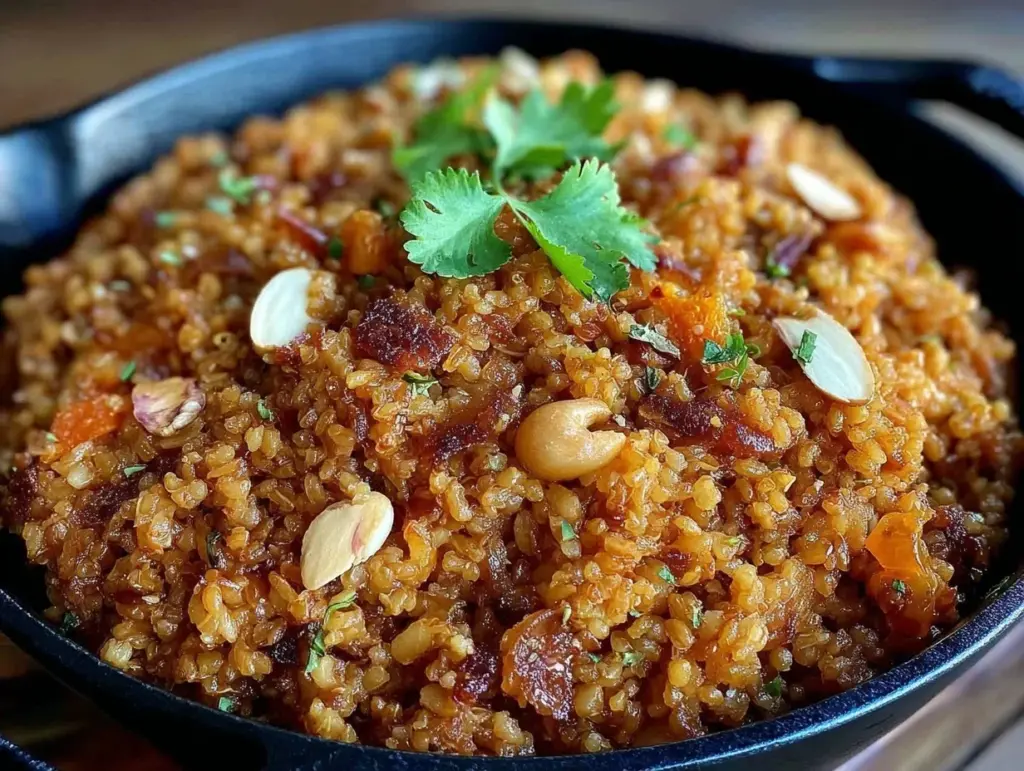
Picture this: the moment you lift the lid off a steaming pot, and a burst of warm, earthy fragrance fills your kitchen. Cinnamon, cardamom, and berbere swirl together, mingling with the subtle nuttiness of teff grains—honestly, it’s the kind of aroma that makes everyone stop what they’re doing and wander in, eyes wide and noses twitching. The first time I made this Fluffy Teff Pilaf with Ethiopian Spices, I was instantly hooked. It was a rainy November afternoon, and I’d set out to create something special for Friendsgiving—something besides the same old rice or stuffing, you know?
Now, teff isn’t exactly your everyday pantry grain (unless you grew up in an Ethiopian kitchen, which I definitely did not!). Years ago, I stumbled on a bag at a quirky health food store and thought, “Why not?” That first batch was a revelation—tiny teff grains puffed up lightly, each bite a soft cloud, with just enough chew to keep things interesting. I remember my grandma (who’s skeptical of anything new) taking a cautious forkful, pausing, then grinning and going back for seconds. My friends couldn’t stop sneaking spoonfuls from the serving bowl before dinner even started. Let’s face it, when a side dish gets more attention than the turkey, you know you’re onto something truly special.
Honestly, this pilaf has become my new go-to for holiday gatherings and cozy potlucks. It’s perfect for those moments when you want a dish that’s both unique and comforting—a little taste of Ethiopian tradition, but also pure, nostalgic comfort. Plus, it’s dangerously easy to throw together (I’ve tested it at least four times, in the name of research, of course). Whether you’re looking to brighten up your Pinterest board or add a new staple to your family table, this Fluffy Teff Pilaf recipe is a warm hug in a bowl. Trust me, you’re going to want to bookmark this one!
Why You’ll Love This Fluffy Teff Pilaf Recipe
Let me share a few reasons why this Fluffy Teff Pilaf with Ethiopian Spices is about to win your heart (and maybe a permanent spot at your Friendsgiving table). After years of recipe testing—from professional kitchens to family potlucks—I can honestly say this pilaf stands out for more than just its gorgeous looks.
- Quick & Easy: Comes together in under 40 minutes, so you’re not stuck babysitting the stove while everyone else is mingling.
- Simple Ingredients: Teff, basic veggies, and classic Ethiopian spices—no wild goose chases at the grocery store.
- Perfect for Friendsgiving: Unique, conversation-starting side that fits right in next to mashed potatoes and cranberry sauce.
- Crowd-Pleaser: Kids love its mild, nutty flavor, and adults appreciate the light, fluffy texture (honestly, I’ve seen folks pile their plates high when this hits the table).
- Unbelievably Delicious: A perfect balance of spice, warmth, and gentle sweetness—the kind of comfort food that makes you close your eyes after the first bite.
Here’s the real twist: Instead of cooking teff into a heavy porridge, this method gives you grains that stay separate, fluffy, and almost rice-like. The secret? Toasting the teff first, then simmering gently with aromatic spices and just enough vegetable broth. I’ve tried a dozen pilaf recipes over the years, but blending berbere and cardamom with teff brings out a flavor that’s both bold and soothing. It’s healthy, gluten-free, and vegan-friendly, too—so everyone can dig in without worry.
This recipe isn’t just another grain side—it’s the one that gets people talking. It’s comfort food, but with a little global adventure thrown in. Whether you’re feeding picky kids or food-loving friends, this pilaf makes every bite feel special (and stress-free, if I’m honest). Give it a try and see why it’s my absolute favorite Friendsgiving side!
What Ingredients You Will Need for Fluffy Teff Pilaf
This Fluffy Teff Pilaf recipe is all about using wholesome, everyday ingredients to create a bold and memorable flavor. Most of these should be easy to find, but I’ll share a few tips for sourcing and substitutions just in case.
- Teff Grain (1 cup / 160g) – The star of our show! Look for whole teff, not flour. I usually grab the Ivory teff from Bob’s Red Mill for its mild flavor, but brown teff works just as well.
- Vegetable Broth (2 cups / 480ml) – Adds depth and keeps everything moist. Homemade or store-bought is fine (I like Pacific Foods for a clean taste).
- Yellow Onion (1 medium, finely diced) – For sweetness and savory backbone.
- Carrot (1 large, peeled and diced) – Pops of color and gentle sweetness.
- Garlic (3 cloves, minced) – Can’t skip the aroma boost!
- Berbere Spice Blend (1 to 1 ½ teaspoons) – Signature Ethiopian heat and flavor. Spice levels vary, so start mild if you’re unsure.
- Ground Cardamom (½ teaspoon) – Adds floral warmth, balancing out the berbere’s heat.
- Ground Cinnamon (¼ teaspoon) – For sweet, comforting undertones.
- Salt (½ teaspoon, or to taste) – Brings out all the flavors.
- Black Pepper (¼ teaspoon) – Optional, but I love a touch of extra bite.
- Olive Oil (2 tablespoons) – For sautéing the veggies and toasting the teff. Use avocado oil if you prefer.
- Fresh Parsley (2 tablespoons, chopped) – For garnish and a little herbal lift at the end.
- Optional Toppings:
- Toasted Slivered Almonds (¼ cup / 25g) – Adds crunch and elegance.
- Dried Cranberries (2 tablespoons) – For a sweet-tart pop, especially festive for Friendsgiving.
If you need a gluten-free dish, teff is naturally safe. For a vegan option, stick with vegetable broth and skip any dairy-based toppings. Honestly, this ingredient list is about as accessible as it gets—you can swap carrots for diced sweet potato, or play with different spice blends if berbere isn’t your thing (ras el hanout makes a fun twist, too!). For those shopping the bulk bins, teff is usually tucked right next to quinoa and millet.
Don’t stress about fancy brands—a good-quality olive oil and fresh spices make all the difference. In summer, I sometimes toss in fresh peas instead of carrots. For a nut-free version, skip the almonds and add roasted pumpkin seeds for crunch. The key is to keep the base simple and let the spices shine!
Equipment Needed
Luckily, making this Fluffy Teff Pilaf recipe doesn’t require a kitchen full of gadgets. Here’s what you need (and what you can use if you’re working with basics):
- Medium Saucepan or Pot (2-3 quart / 2-3 liter capacity) – Nonstick or stainless steel works best for even cooking. I’ve used a heavy-bottomed Dutch oven too; just keep an eye on the liquid.
- Wooden Spoon or Silicone Spatula – For stirring, scraping, and fluffing the pilaf without scratching your pan.
- Fine Mesh Strainer – Optional, but helpful if you want to rinse your teff before cooking (I do this sometimes to remove dust).
- Sharp Chef’s Knife & Cutting Board – For prepping veggies and herbs.
- Measuring Cups and Spoons – Teff cooks best with precise liquid ratios, so don’t eyeball it!
- Serving Bowl – Something wide and shallow to show off those beautiful fluffy grains.
If you don’t have a nonstick saucepan, just add a little extra oil and stir gently to prevent sticking. I’ve made this pilaf in a basic aluminum pot in my college apartment and it turned out great. If you’re using a mesh strainer for teff, rinse gently—those grains are tiny and like to escape! For budget-friendly options, any sturdy pot with a tight-fitting lid will work. Just remember to keep an eye on the simmering time.
Preparation Method
- Prep your veggies: Finely dice 1 medium yellow onion and 1 large carrot. Mince 3 garlic cloves. Chop fresh parsley for garnish. Measure out all spices and have them ready to go.
- Toast the teff: Heat 2 tablespoons olive oil in your saucepan over medium heat. Add 1 cup (160g) teff and stir constantly for 2-3 minutes, until the grains smell nutty and start to darken slightly. (Don’t walk away—teff can go from toasted to burnt pretty quickly!)
- Sauté the aromatics: Add diced onion and carrot right into the pot with the teff. Cook for about 5 minutes, stirring often, until the onion is translucent and the carrot is just starting to soften. Toss in the garlic and cook for 1 minute more, until fragrant.
- Add the spices: Sprinkle in 1 to 1 ½ teaspoons berbere, ½ teaspoon ground cardamom, ¼ teaspoon cinnamon, ½ teaspoon salt, and ¼ teaspoon black pepper. Stir well to coat everything in those beautiful spices. Let it cook for 1 minute until you can really smell the spices blooming.
- Add the broth: Pour in 2 cups (480ml) vegetable broth. Give everything a good stir, scraping up any bits stuck to the bottom. Bring it up to a gentle simmer.
- Simmer: Cover the pot and reduce heat to low. Let it simmer gently for 18-22 minutes. Peek at the 15-minute mark—if it’s looking dry, add a splash more broth. The pilaf is done when the liquid is absorbed and the teff grains are tender but not mushy. (If it looks soupy, cook uncovered for 2-3 more minutes.)
- Rest and fluff: Remove the pot from heat and let it sit, covered, for 5 minutes. Then uncover and fluff gently with a fork or spatula. This helps the grains stay light and fluffy.
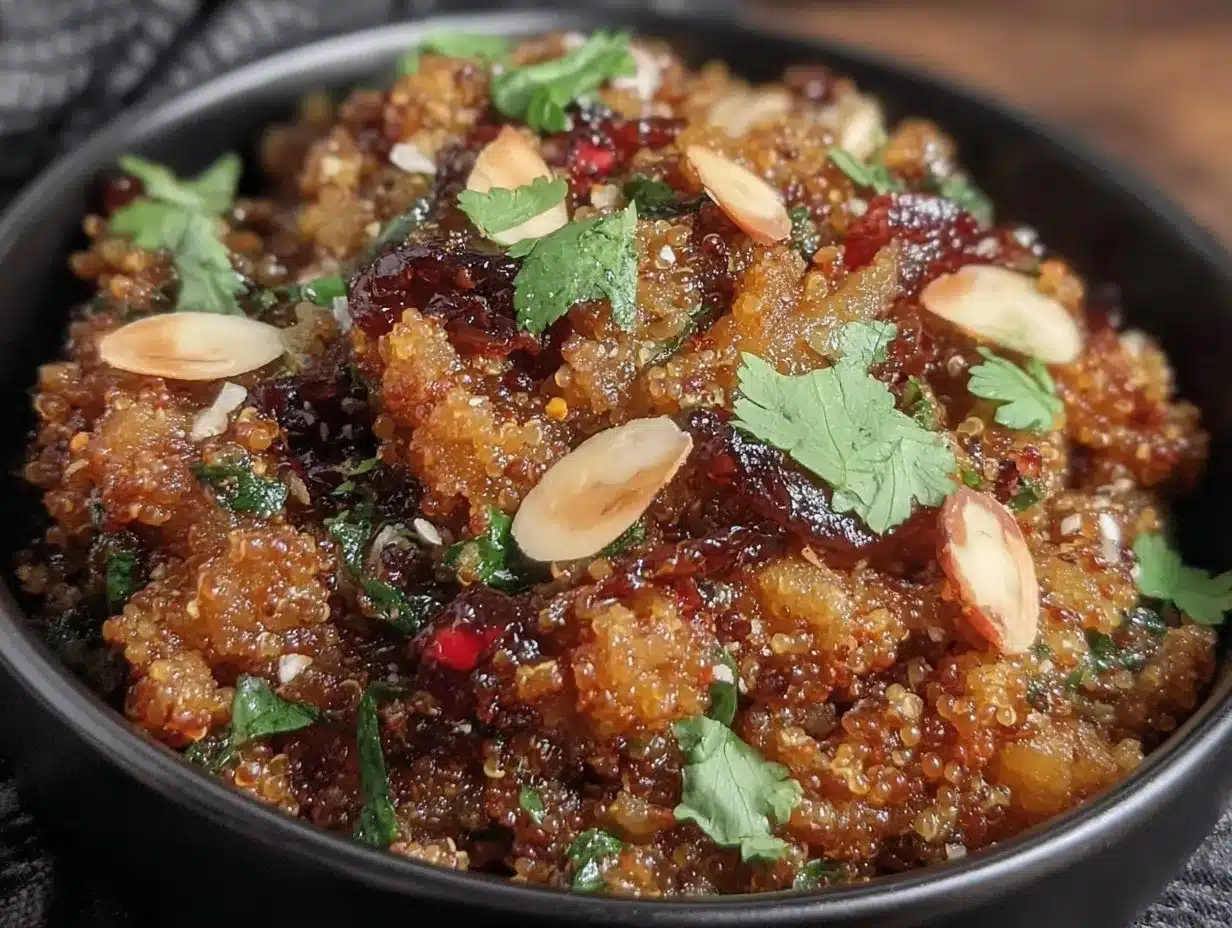
- Finish and garnish: Taste and adjust salt if needed. Stir in 2 tablespoons chopped parsley. If desired, sprinkle toasted slivered almonds and dried cranberries over the top for extra crunch and color.
- Serve: Spoon into a wide bowl and serve warm. The pilaf should be fluffy, fragrant, and dotted with colorful veggies and toppings.
Notes: If you notice the teff sticking, add a touch more oil or a splash of broth and stir. If the grains seem gummy, try spreading the pilaf on a baking sheet for a minute to let steam escape. Honestly, the secret is not to overcook—teff loves to be gently simmered. I always taste a spoonful before serving to check for seasoning.
Efficiency tip: You can dice the veggies while the teff is toasting. If you’re prepping for a crowd, double the recipe but use a larger pot to avoid overcrowding. This pilaf reheats beautifully, so don’t worry about making it ahead!
Cooking Tips & Techniques
Having learned the hard way (more than once), here are my top tips for getting this Fluffy Teff Pilaf recipe just right every time:
- Toast the teff, don’t burn it: Teff is tiny and toasts quickly. Stir constantly and watch for a warm, nutty smell—if you see smoke, take it off the heat fast!
- Simmer gently: High heat will make teff gummy and sticky. Always keep the heat low and the lid tight.
- Don’t skip resting: Let the pilaf sit off the heat for at least 5 minutes before fluffing. This makes all the difference for texture.
- Check your broth: If you’re using a salty broth, taste before adding extra salt. I’ve made that mistake and ended up with an overly salty batch once!
- Spice balance: Berbere varies in heat—start with less, taste, and add more if you want extra kick. Cardamom should be subtle; too much can overpower the dish.
- Multitasking: Dice veggies while the teff is toasting, and measure spices during the sauté step to keep things moving.
- Consistency: For a fluffier pilaf, use the exact ratio of broth to teff, and avoid stirring too much after adding broth.
My biggest fail? Once, I forgot to cover the pot—result: dry, crunchy grains nobody wanted. Lesson learned: lid on, low simmer, and a little patience. If you’re new to teff, don’t panic if the grains clump a little; just fluff and let them rest. This pilaf is forgiving, and honestly, it gets better with practice!
Variations & Adaptations
One of the best things about this Fluffy Teff Pilaf recipe is how easily you can make it your own. Here are a few favorite tweaks:
- Vegan & Gluten-Free: As written, this recipe is naturally vegan and gluten-free—just double-check your broth and spice blends for hidden wheat.
- Nut-Free: Skip the almonds or use toasted pumpkin seeds for crunch. Works great for allergy-sensitive crowds (I’ve made it for school potlucks this way).
- Spice Level: For a milder pilaf, use only ½ teaspoon berbere and increase cinnamon for sweetness. Add a pinch of smoked paprika if you want a smoky touch.
- Seasonal Veggies: Swap carrots for diced sweet potatoes, butternut squash, or even green peas in spring. I love adding roasted red peppers for a pop of color.
- Flavor Twists: Stir in raisins or chopped apricots for a sweet-savory vibe. Squeeze in a little lemon juice right before serving for brightness.
- Cooking Method: You can make this pilaf in a rice cooker (just use the “white rice” setting), or even Instant Pot—reduce broth by ¼ cup and cook on low pressure for 10 minutes.
My personal favorite variation? Adding a handful of sautéed mushrooms and a sprinkle of za’atar on top. It gives the pilaf a deep, earthy flavor that’s perfect for winter nights. Seriously, don’t be afraid to experiment—this recipe is as flexible as you need it to be!
Serving & Storage Suggestions
This Fluffy Teff Pilaf recipe is best served warm, right after fluffing. Heap it into a wide, shallow bowl so all those gorgeous grains and colorful toppings are front and center. For Friendsgiving, I like to garnish with a few extra cranberries and toasted almonds—makes it look extra festive (and honestly, it photographs beautifully for Pinterest).
If you want to pair it, try roasted veggies, spiced chickpeas, or a cool cucumber salad. A glass of crisp white wine or homemade ginger tea goes perfectly with the Ethiopian spices. For leftovers, let pilaf cool completely, then store in an airtight container in the fridge for up to 4 days. It freezes well, too—just spread in a thin layer and thaw in the fridge overnight.
Reheat gently in the microwave or on the stove with a splash of broth to keep things moist. The flavors deepen after a day in the fridge, so it’s even better the second time around. Honestly, I’ve snacked on cold pilaf straight from the fridge with zero regrets!
Nutritional Information & Benefits
Here’s a quick look at the nutrition stats for one serving (about 1 cup):
- Calories: ~220
- Protein: 7g
- Fiber: 5g
- Fat: 6g
- Carbs: 35g
Teff is loaded with iron, calcium, and resistant starch—great for energy, digestion, and steady blood sugar. The veggies add vitamins and antioxidants, while the spices offer anti-inflammatory benefits. This pilaf is naturally gluten-free and vegan, so it fits most dietary needs. Watch out for nuts if allergies are a concern.
From a wellness perspective, I love that teff gives lasting energy and keeps you full. It’s gentle on the tummy and nourishing—honestly, it feels like food that’s good for the soul and body!
Conclusion
So why try this Fluffy Teff Pilaf recipe for your next Friendsgiving—or really, any gathering? It’s unique, comforting, and a breeze to make. The Ethiopian spices turn simple grains and veggies into something truly memorable, and the fluffy texture is pure magic. I love how easy it is to adapt, making everyone at the table feel welcome.
Honestly, this dish always gets folks talking and asking for seconds. If you’re ready to shake up your holiday menu or just want a cozy side that feels special, give it a go! Leave a comment with your own twists, tag me if you share on Pinterest, or drop a note if you swap out the spices—sharing kitchen stories is half the fun.
Here’s to new traditions, good friends, and recipes that feel like a warm hug every time. Happy cooking!
Frequently Asked Questions
Can I make Fluffy Teff Pilaf ahead of time?
Yes! You can cook the pilaf a day ahead and store it in the fridge. Just reheat with a splash of broth and fluff before serving—it tastes even better the next day.
Is teff gluten-free?
Absolutely. Teff is naturally gluten-free, making this pilaf safe for folks with celiac or gluten sensitivity.
Can I use brown teff instead of ivory teff?
You sure can! Brown teff has a slightly earthier flavor, but the texture and cooking method are the same.
What can I substitute for berbere spice?
If you can’t find berbere, try ras el hanout or a mix of paprika, cumin, and chili powder. The flavor will be different, but still delicious.
How do I prevent the pilaf from getting gummy?
Use the exact broth-to-teff ratio, keep the heat low, and let the pilaf rest before fluffing. Don’t stir too much after adding the broth—trust me, patience pays off!
Pin This Recipe!

Fluffy Teff Pilaf Recipe – Easy Ethiopian Friendsgiving Side

This Fluffy Teff Pilaf is a fragrant, comforting Ethiopian-inspired side dish featuring nutty teff grains, aromatic spices, and colorful veggies. It’s quick to prepare, naturally gluten-free and vegan, and perfect for holiday gatherings or cozy potlucks.
- Prep Time: 10 minutes
- Cook Time: 25 minutes
- Total Time: 35 minutes
- Yield: 4 servings 1x
- Category: Side Dish
- Cuisine: Ethiopian
Ingredients
- 1 cup teff grain (whole, not flour; ivory or brown)
- 2 cups vegetable broth
- 1 medium yellow onion, finely diced
- 1 large carrot, peeled and diced
- 3 cloves garlic, minced
- 1 to 1 1/2 teaspoons berbere spice blend
- 1/2 teaspoon ground cardamom
- 1/4 teaspoon ground cinnamon
- 1/2 teaspoon salt, or to taste
- 1/4 teaspoon black pepper (optional)
- 2 tablespoons olive oil (or avocado oil)
- 2 tablespoons fresh parsley, chopped (for garnish)
- 1/4 cup toasted slivered almonds (optional topping)
- 2 tablespoons dried cranberries (optional topping)
Instructions
- Prep your veggies: Finely dice the onion and carrot, mince the garlic, and chop parsley for garnish. Measure out all spices.
- Toast the teff: Heat olive oil in a medium saucepan over medium heat. Add teff and stir constantly for 2-3 minutes until fragrant and slightly darkened.
- Sauté the aromatics: Add diced onion and carrot to the pot with teff. Cook for about 5 minutes, stirring often, until onion is translucent and carrot is just starting to soften. Add garlic and cook for 1 minute more.
- Add the spices: Sprinkle in berbere, cardamom, cinnamon, salt, and black pepper. Stir well to coat and let cook for 1 minute until fragrant.
- Add the broth: Pour in vegetable broth, stir well, and bring to a gentle simmer.
- Simmer: Cover the pot, reduce heat to low, and simmer gently for 18-22 minutes. Check at 15 minutes; if dry, add a splash more broth. Pilaf is done when liquid is absorbed and teff grains are tender but not mushy.
- Rest and fluff: Remove from heat and let sit, covered, for 5 minutes. Uncover and fluff gently with a fork or spatula.
- Finish and garnish: Taste and adjust salt if needed. Stir in chopped parsley. Top with toasted almonds and dried cranberries if desired.
- Serve: Spoon into a wide bowl and serve warm.
Notes
Toast teff carefully to avoid burning. Simmer gently and keep the lid on for best texture. Let pilaf rest before fluffing for maximum fluffiness. Adjust spices to taste, and use nut-free toppings if needed. Pilaf reheats well and can be made ahead. For a fluffier texture, use exact broth-to-teff ratio and avoid over-stirring after adding broth.
Nutrition
- Serving Size: About 1 cup per serv
- Calories: 220
- Sugar: 4
- Sodium: 400
- Fat: 6
- Saturated Fat: 1
- Carbohydrates: 35
- Fiber: 5
- Protein: 7
Keywords: teff pilaf, Ethiopian side dish, gluten-free pilaf, vegan pilaf, Friendsgiving, holiday side, fluffy teff, berbere pilaf, easy pilaf, healthy grain recipe