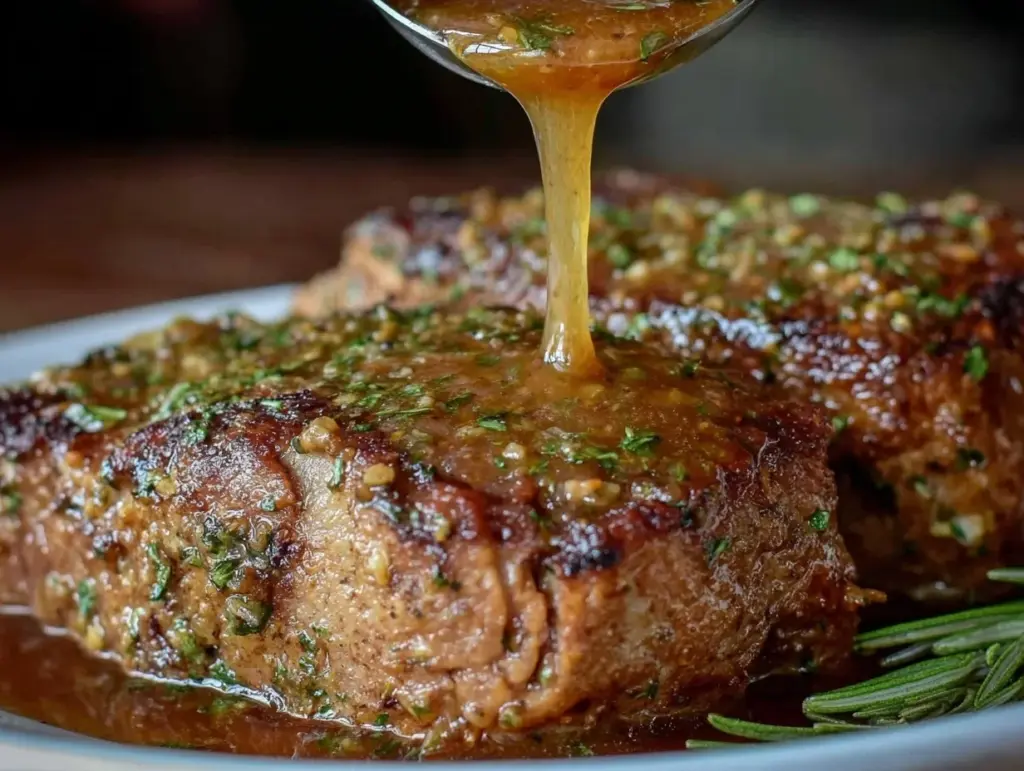
Let me tell you, the aroma of fresh herbs mingling with rich, roasted meat juices is enough to make anyone’s mouth water. The first time I made this savory herb gravy recipe for roasted meat, I was instantly hooked. It was one of those rare moments when you pause, take a deep breath, and just smile because you know you’re onto something truly special. Years ago, when I was knee-high to a grasshopper, my grandma used to make gravy from scratch every Sunday, and honestly, nothing beats that warm, cozy feeling of homemade sauce draped over perfectly roasted meat.
I stumbled upon this recipe on a rainy weekend, trying to recreate that classic comfort without fuss. Since then, my family couldn’t stop sneaking spoonfuls right off the stove (and I can’t really blame them). This gravy is dangerously easy to whip up yet delivers pure, nostalgic comfort. Whether you’re looking to brighten up your holiday table, add a little extra love to a weeknight roast, or impress guests with a silky, flavorful sauce, this savory herb gravy recipe for roasted meat is your new best friend. After testing it a handful of times in the name of research, of course, it’s become a staple for family gatherings and gifting alike. Trust me, you’re going to want to bookmark this one.
Why You’ll Love This Recipe
This savory herb gravy recipe for roasted meat has been tested, tweaked, and approved by my family, friends, and even a few picky eaters. Here’s why it stands out:
- Quick & Easy: Comes together in under 20 minutes, perfect for busy weeknights or last-minute dinner plans.
- Simple Ingredients: No fancy or hard-to-find items—most are pantry staples you probably already have.
- Perfect for Roasts: Whether it’s beef, pork, chicken, or lamb, this gravy pairs beautifully, bringing out the meat’s natural flavors.
- Crowd-Pleaser: My kids and their friends can’t get enough, and grown-ups keep asking for seconds.
- Unbelievably Delicious: The blend of fresh herbs and savory pan drippings creates a silky texture with deeply satisfying flavor.
What makes this recipe different? It’s all about the balance—using fresh rosemary, thyme, and sage along with a touch of garlic and onion powder to highlight the roasted meat’s natural goodness without overpowering it. Plus, I blend in a bit of butter at the end to give it that luscious finish. Honestly, this gravy isn’t just good; it’s the kind that makes you close your eyes after the first bite. It feels like comfort food, but smarter—healthier, faster, and with the same soul-soothing satisfaction. Whether you’re impressing guests or making a simple dinner feel special, this gravy delivers every time.
What Ingredients You Will Need
This recipe uses simple, wholesome ingredients to deliver bold flavor and satisfying texture without the fuss. Most are pantry staples, with a few fresh herbs to brighten things up. Here’s what you’ll need:
- Pan drippings or meat drippings: From your roasted meat, essential for rich flavor.
- Unsalted butter (2 tbsp): Adds silkiness and depth.
- All-purpose flour (3 tbsp): For thickening. You can use gluten-free flour if needed.
- Beef, chicken, or vegetable broth (2 cups / 480 ml): Use low-sodium broth to control saltiness.
- Fresh rosemary (1 tsp, finely chopped): Adds piney aroma and flavor.
- Fresh thyme (1 tsp, leaves only): Earthy, subtle herbaceous note.
- Fresh sage (1/2 tsp, finely chopped): Warm, slightly peppery touch.
- Garlic powder (1/2 tsp): For a gentle garlic hint.
- Onion powder (1/2 tsp): Adds sweet, savory depth.
- Salt and black pepper: To taste, freshly ground pepper works best.
- Optional splash of dry white wine or sherry (1 tbsp): For a subtle complexity.
I usually recommend using a good-quality broth like Pacific Foods or Swanson for best texture and flavor. When fresh herbs aren’t on hand, dried can be substituted, but fresh really makes the difference here. In winter months, I love swapping fresh herbs for a pinch of herbes de Provence for a slightly different twist. If you’re dairy-free, swap butter with olive oil or a non-dairy margarine—still delicious!
Equipment Needed
- Roasting pan or skillet: To catch those precious meat drippings.
- Small saucepan or skillet: For making the gravy itself.
- Whisk: Essential for smoothing out lumps when adding flour.
- Measuring cups and spoons: To keep everything precise (especially for thickening).
- Fine mesh strainer (optional): For a silky smooth finish if you want to remove herb bits.
- Knife and cutting board: For chopping fresh herbs.
If you don’t have a whisk handy, a fork works in a pinch. I’ve made this gravy with cast iron pans and non-stick skillets—both give great results. For budget-friendly options, you can find quality silicone whisks and measuring sets at most grocery stores or online that last for years. Just keep your tools clean and dry to avoid funky flavors sneaking into your gravy.
Preparation Method
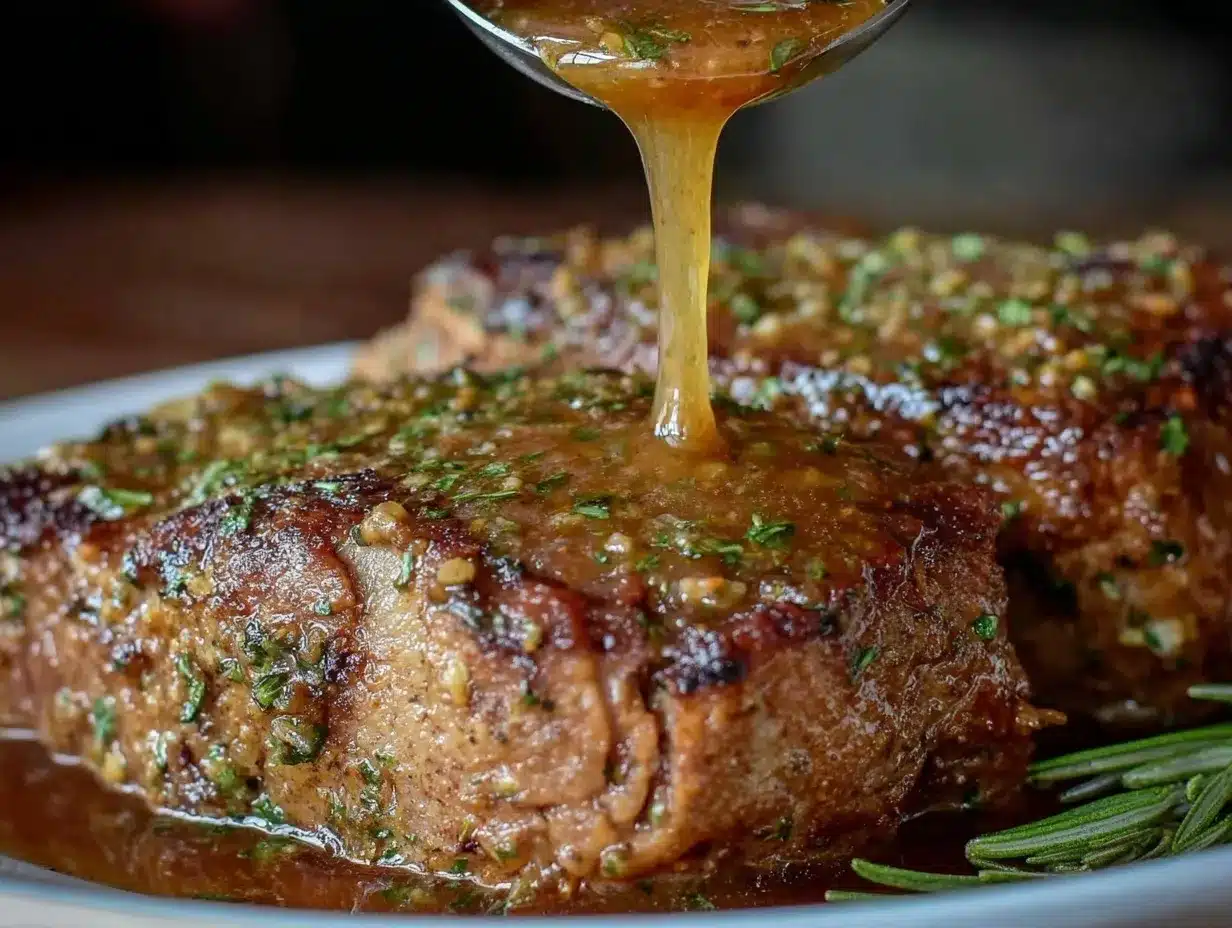
- Collect the pan drippings: After roasting your meat, remove it from the pan and set aside to rest. Pour the drippings into a heatproof container, leaving behind any burnt bits. You should have about 2 to 3 tablespoons (30-45 ml) of drippings. If you don’t have enough, add butter to reach the amount needed.
Tip: Skim off excess fat if too greasy, but keep some for flavor. - Melt butter and make a roux: In a small saucepan, melt 2 tablespoons (28 g) of unsalted butter over medium heat. Once melted, whisk in 3 tablespoons (24 g) of all-purpose flour. Stir constantly for about 2-3 minutes until the mixture is golden and smells nutty—this is your roux.
Warning: Don’t let it brown too much or the gravy will taste bitter. - Add broth slowly: Gradually whisk in 2 cups (480 ml) of your broth of choice. Pour a little at a time, whisking constantly to keep it smooth. Once all the broth is added, bring the mixture to a gentle simmer.
Note: The gravy will thicken as it heats. - Incorporate drippings and seasonings: Whisk in your reserved pan drippings along with 1 tsp chopped rosemary, 1 tsp thyme leaves, and ½ tsp sage. Sprinkle in ½ tsp garlic powder and ½ tsp onion powder. Stir well to combine.
Tip: If using, add 1 tablespoon dry white wine or sherry now for extra depth. - Simmer and adjust: Let the gravy simmer gently for 5-7 minutes, stirring occasionally. It should thicken to a pourable consistency and smell fragrant. Taste and season with salt and freshly ground black pepper.
Troubleshooting: If too thick, whisk in a splash more broth; if too thin, simmer a few minutes longer. - Strain (optional): For a silky smooth finish, pour the gravy through a fine mesh strainer into a serving bowl.
Personal tip: I sometimes leave the herbs in for rustic charm, but straining makes it elegantly smooth. - Serve warm: Ladle generously over your roasted meat and sides. This gravy is best served fresh but holds up well if kept warm on low heat.
Cooking Tips & Techniques
Making gravy can be intimidating, but honestly, it’s one of the most forgiving sauces once you get the hang of it. Here are a few tips I’ve learned the hard way:
- Don’t rush the roux: Stir it constantly and cook until it’s golden, not pale or burnt. That nutty flavor is the backbone of your gravy.
- Whisk while adding liquid: This keeps lumps at bay. If lumps form, a quick blitz with an immersion blender works wonders.
- Keep heat moderate: Too high and the gravy can scorch or thicken too fast, making it clumpy.
- Adjust thickness last: It’s easier to thin gravy with a splash of broth than to thicken it if you overdo flour.
- Use fresh herbs: They give a brighter, fresher flavor than dried, but keep dried herbs on hand for off days.
- Multitask smartly: While your meat rests, start the gravy so everything’s ready together. It saves time and keeps your kitchen workflow smooth.
One time, I accidentally added cold broth straight from the fridge—it made the gravy seize up and get lumpy. Lesson learned: always warm your broth slightly before adding. Also, I sometimes add a splash of cream for richness, but that’s just a personal twist that’s optional.
Variations & Adaptations
This savory herb gravy recipe for roasted meat is versatile and easy to customize. Here are a few ways to mix it up:
- Low-carb version: Swap flour for xanthan gum or arrowroot powder for thickening. Use broth with no added sugars.
- Vegan adaptation: Use vegetable broth, olive oil instead of butter, and nutritional yeast for umami. Omit meat drippings and add sautéed mushrooms for depth.
- Seasonal herbs: In spring, try tarragon or parsley for a fresh twist. In fall, add a pinch of ground nutmeg and cinnamon for warmth.
- Make it smoky: Add a few drops of liquid smoke or smoked paprika for a campfire vibe.
- Personal favorite: I once stirred in caramelized onions and a splash of balsamic vinegar to make a richer gravy that had everyone asking for the recipe.
You can also experiment with different broths—chicken broth gives a lighter taste, beef broth offers deeper flavor, and vegetable broth keeps it neutral but tasty. Feel free to adjust herbs and seasoning to suit your palate; this gravy plays well with many flavor profiles.
Serving & Storage Suggestions
Serve your savory herb gravy recipe for roasted meat warm over thick slices of beef, tender roast chicken, pork loin, or even lamb. It also pairs beautifully with mashed potatoes, roasted vegetables, or buttery noodles. Presentation-wise, a rustic bowl with fresh herb sprigs on top adds an inviting touch.
To store, let the gravy cool completely, then transfer to an airtight container. It keeps well in the refrigerator for up to 3 days or freezes beautifully for up to 2 months. When reheating, warm gently on the stove over low heat, whisking occasionally. Add a splash of broth or water if it’s too thick after chilling.
Flavors actually deepen after a day or two, so leftovers can taste even better! Just give it a good stir before serving. If you’re taking it to a potluck or family dinner, transport it in a thermos or insulated container to keep it warm and ready to pour.
Nutritional Information & Benefits
Here’s a rough estimate per serving (about ¼ cup / 60 ml): 80 calories, 5g fat, 5g carbohydrates, 1g protein. Using fresh herbs adds antioxidants and subtle vitamins, while the broth provides minerals like potassium and magnesium. Choosing low-sodium broth helps control salt intake.
This gravy is gluten-containing unless you substitute the flour, so it’s not suitable for those with celiac disease unless modified. It contains dairy from butter, but swaps with olive oil or vegan margarine work nicely for dairy-free diets.
From a wellness perspective, this homemade sauce avoids preservatives and artificial flavorings found in store-bought gravies. It’s a simple way to add moisture and flavor to your roasted meat without piling on empty calories.
Conclusion
This savory herb gravy recipe for roasted meat is a total game-changer—simple, flavorful, and packed with that home-cooked magic you crave. I love how easy it is to make from scratch, turning even a weeknight roast into a memorable meal. Honestly, it feels like a warm hug in sauce form.
Feel free to tweak it with your favorite herbs or add your own special touches. I’d love to hear how you make it your own, so don’t be shy—drop a comment or share your variations! If you try it, please share the love and pin this recipe for your next roast night. Cooking doesn’t have to be complicated to be delicious, and this gravy proves it.
Happy cooking, friends!
FAQs About Savory Herb Gravy
Can I make this gravy without pan drippings?
Absolutely! If you don’t have pan drippings, just increase the butter by 1 tablespoon and use broth for flavor. Adding a splash of soy sauce or Worcestershire sauce can mimic some of the savory depth.
How do I keep gravy from getting lumpy?
Whisk constantly while adding broth slowly to your roux. If lumps form, strain the gravy or use an immersion blender to smooth it out.
Can I prepare this gravy ahead of time?
Yes! Make it a day before, cool completely, and refrigerate. Reheat gently with a bit of broth to loosen it up before serving.
Is this recipe suitable for gluten-free diets?
To make it gluten-free, substitute all-purpose flour with a gluten-free flour blend or cornstarch. Add the thickener gradually to avoid clumping.
What’s the best way to store leftover gravy?
Store in an airtight container in the fridge for up to 3 days or freeze for up to 2 months. Reheat gently on the stove, adding broth if needed.
Pin This Recipe!

Savory Herb Gravy Recipe for Roasted Meat

A quick and easy homemade savory herb gravy that pairs perfectly with roasted meats, delivering rich flavor and a silky texture with fresh herbs and pan drippings.
- Prep Time: 5 minutes
- Cook Time: 15 minutes
- Total Time: 20 minutes
- Yield: About 1 cup (4 servings of 1/4 cup each) 1x
- Category: Sauce
- Cuisine: American
Ingredients
- 2 to 3 tablespoons pan drippings or meat drippings from roasted meat
- 2 tablespoons unsalted butter
- 3 tablespoons all-purpose flour (can substitute gluten-free flour)
- 2 cups beef, chicken, or vegetable broth (low-sodium recommended)
- 1 teaspoon fresh rosemary, finely chopped
- 1 teaspoon fresh thyme leaves
- 1/2 teaspoon fresh sage, finely chopped
- 1/2 teaspoon garlic powder
- 1/2 teaspoon onion powder
- Salt and freshly ground black pepper to taste
- Optional: 1 tablespoon dry white wine or sherry
Instructions
- Collect the pan drippings after roasting your meat, removing any burnt bits. You should have about 2 to 3 tablespoons. If not enough, add butter to reach the amount needed. Skim off excess fat if too greasy but keep some for flavor.
- In a small saucepan, melt 2 tablespoons of unsalted butter over medium heat. Whisk in 3 tablespoons of all-purpose flour and stir constantly for 2-3 minutes until golden and nutty in aroma. Avoid browning too much to prevent bitterness.
- Gradually whisk in 2 cups of broth, pouring a little at a time and whisking constantly to keep the mixture smooth. Bring to a gentle simmer; the gravy will thicken as it heats.
- Whisk in the reserved pan drippings along with 1 teaspoon chopped rosemary, 1 teaspoon thyme leaves, and 1/2 teaspoon sage. Add 1/2 teaspoon garlic powder and 1/2 teaspoon onion powder. If using, add 1 tablespoon dry white wine or sherry now.
- Let the gravy simmer gently for 5-7 minutes, stirring occasionally until it thickens to a pourable consistency. Taste and season with salt and freshly ground black pepper. Adjust thickness by adding broth if too thick or simmering longer if too thin.
- Optional: Pour the gravy through a fine mesh strainer for a silky smooth finish or leave herbs in for a rustic texture.
- Serve warm over roasted meat and sides. Best served fresh but can be kept warm on low heat.
Notes
Use fresh herbs for best flavor; dried herbs can be substituted. For dairy-free, replace butter with olive oil or non-dairy margarine. To avoid lumps, whisk constantly while adding broth. Warm broth slightly before adding to prevent seizing. Can add a splash of cream for richness if desired.
Nutrition
- Serving Size: 1/4 cup (60 ml)
- Calories: 80
- Fat: 5
- Carbohydrates: 5
- Protein: 1
Keywords: savory herb gravy, roasted meat gravy, homemade gravy, easy gravy recipe, herb gravy, pan drippings sauce