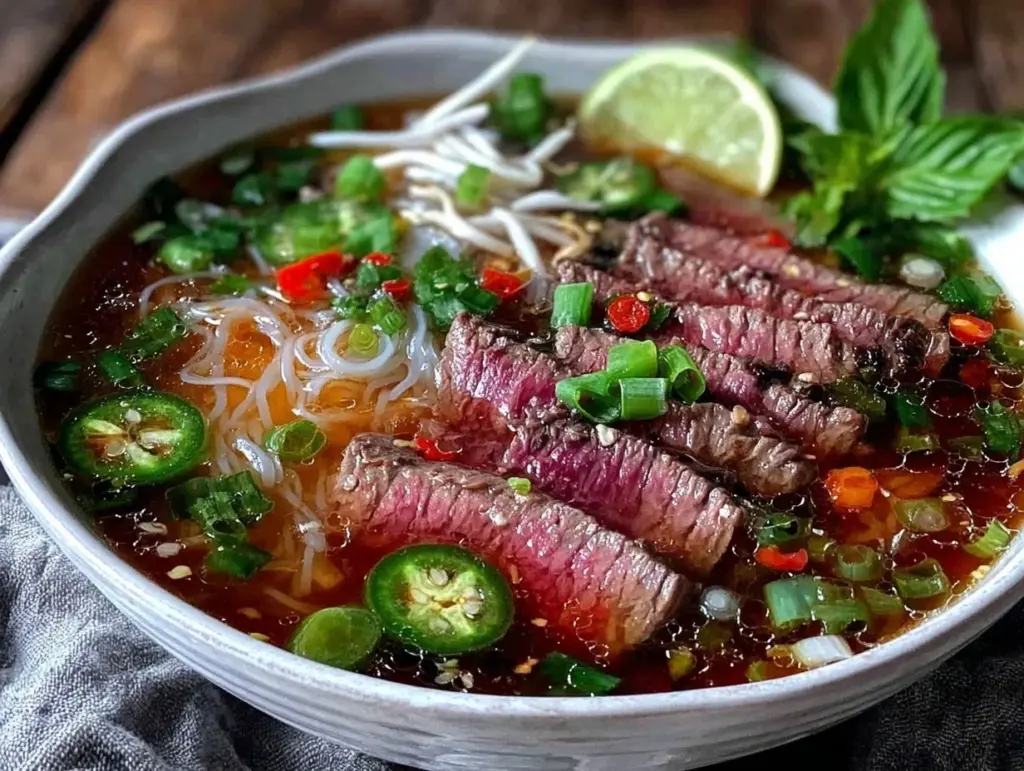
If you’ve ever been wrapped up in a chilly evening and wished for something that would warm you right down to your toes, this Vietnamese Pho Soup recipe is your answer. The aroma of star anise, cinnamon, and simmering beef bones wafting through my kitchen—honestly, it’s impossible not to get hungry just thinking about it. There’s a gentle swirl of steam rising from the pot, and that first whiff feels like stepping into a bustling Hanoi street corner, even if you’re just in your pajamas at home.
The first time I made homemade beef pho, I remember standing over my stove, mesmerized by how the broth changed from pale to golden over the hours. There was a moment, after ladling the soup into bowls and topping it with a handful of fresh herbs, when I paused—just a beat—to soak it all in. That’s the kind of moment where you take a deep breath and smile because you know you’re onto something truly special. My grandma used to tell stories about pho stalls back in Saigon, and when I was knee-high to a grasshopper, my family would gather around huge steaming bowls, laughing and slurping noodles with chopsticks (let’s face it, not always gracefully).
When I first tried recreating this Vietnamese Pho Soup at home, it was on a rainy weekend, searching for comfort food with a punch of freshness. I wish I’d stumbled across this easy homemade beef pho years ago—it would have saved me a lot of takeout bills! Every time I make it now, my kids sneak tastes right off the pot, and my partner claims it’s better than any restaurant version. Let’s just say, this soup rarely makes it to leftovers. It’s perfect for potlucks, as a sweet treat for your kids after soccer, or to brighten up your Pinterest soup board. Vietnamese Pho Soup is the kind of meal that feels like a warm hug—dangerously easy, ridiculously comforting, and always a crowd-pleaser. I’ve tested it over and over (in the name of research, of course!), and it’s now a staple for family gatherings, gifting, and cozy dinner nights. You’re going to want to bookmark this one!
Why You’ll Love This Vietnamese Pho Soup Recipe
- Quick & Easy: Comes together in under 2 hours (yes, really!), so you don’t need to commit to an all-day affair—perfect for busy weeknights or when those pho cravings hit out of nowhere.
- Simple Ingredients: No fancy grocery trips required. You’ll probably find everything you need right in your pantry or a quick run to your local market.
- Perfect for Any Occasion: Great for brunch, family dinners, potlucks, or even as a cozy meal for solo nights in.
- Crowd-Pleaser: Kids love slurping the noodles, adults rave about the fragrant broth—every bowl gets cleaned.
- Unbelievably Delicious: The broth is rich and aromatic, the beef tender, and the fresh herbs add a punch of flavor that’ll have you reaching for seconds.
This Vietnamese Pho Soup recipe stands out because I use a shortcut method for the broth that doesn’t skimp on flavor. By charring the onion and ginger, then simmering beef bones with classic Vietnamese spices, you get that deep, restaurant-style broth without needing a stockpot bubbling all day.
I’ve tested every step—from blanching the bones for a clear broth to slicing the beef paper-thin so it cooks perfectly in the hot soup. After years of tweaking, this is my best version: bright, balanced, and full of soul-soothing satisfaction.
Honestly, this isn’t just good pho—it’s the kind of soup that makes you close your eyes after the first bite. It’s comfort food reimagined: faster, fresher, but with all the nostalgia and satisfaction you crave. You can impress guests without stressing, or just turn a simple dinner into something memorable.
What Ingredients You Will Need
This Vietnamese Pho Soup uses simple, wholesome ingredients to deliver bold flavor and satisfying texture without the fuss. Most are pantry staples or easy to source, and you can swap things out based on what’s available. Let’s break it down:
For the Broth
- 2 lbs (900g) beef bones (marrow or knuckle bones work best—adds richness and body)
- 1 large yellow onion, halved (charring is key for that deep flavor)
- 1 thumb-sized piece of fresh ginger, sliced and smashed
- 2 star anise pods
- 1 cinnamon stick
- 3 whole cloves
- 1 tbsp coriander seeds
- 1 tsp black peppercorns
- 2 tbsp fish sauce (I always use Red Boat for authenticity)
- 1 tbsp sugar (rock sugar preferred, but granulated works fine)
- 10 cups (2.4 liters) water
- Salt, to taste
For the Soup Bowls
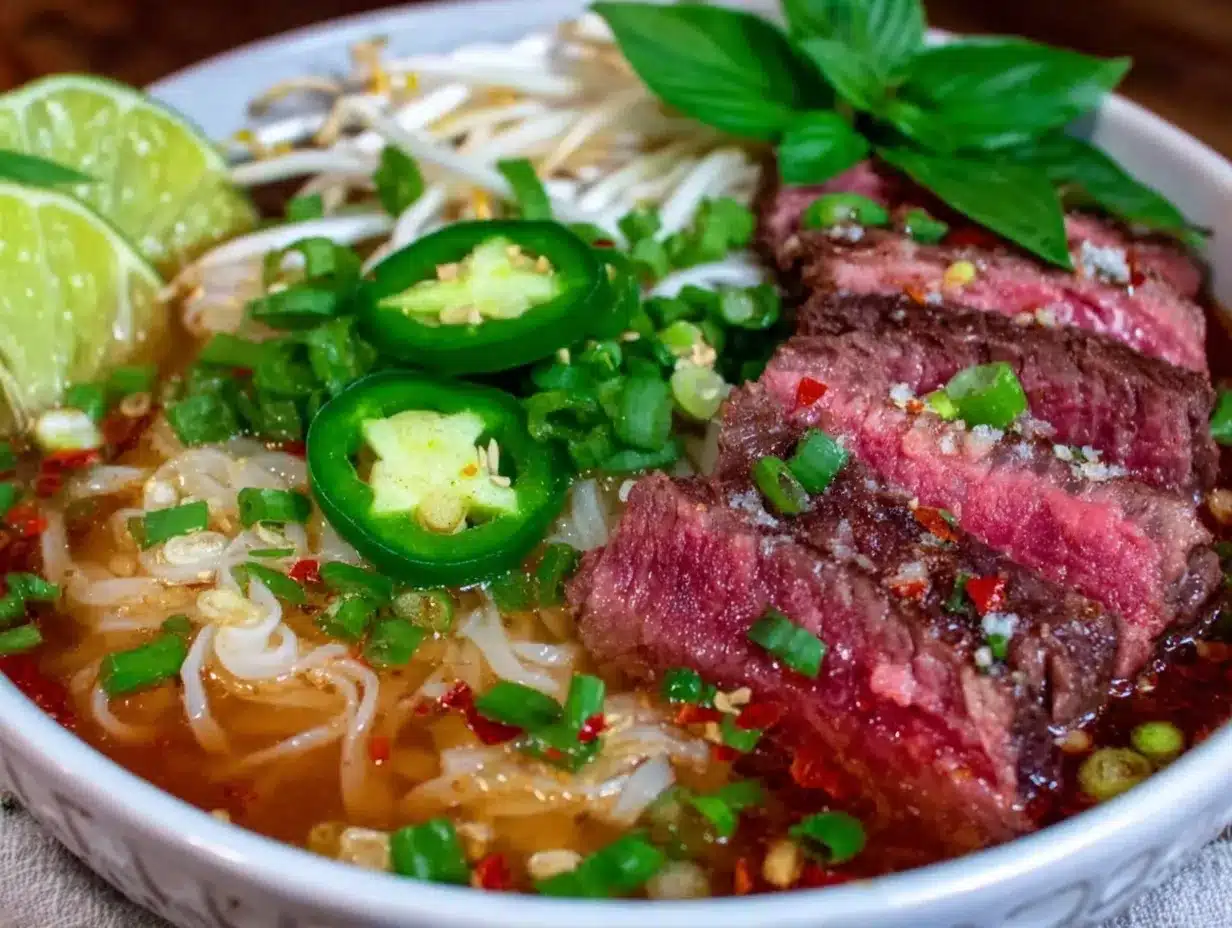
- 8 oz (225g) dried rice noodles (banh pho—medium width, but any flat rice noodle works)
- 12 oz (340g) beef sirloin or eye round, very thinly sliced (freezing for 20 minutes helps with slicing)
Fresh Herb Garnishes & Add-ins
- Fresh cilantro leaves
- Thai basil (regular basil if needed)
- Mint leaves
- Bean sprouts
- Scallions, thinly sliced
- Lime wedges
- Thinly sliced red chili or jalapeño (for a little kick)
- Hoisin sauce (optional, for dipping or drizzling)
- Sriracha or chili garlic sauce (for heat lovers)
Ingredient Notes: If you can’t find star anise or rock sugar, don’t sweat it—just use a pinch more cinnamon and regular sugar. For gluten-free, check the fish sauce label and use rice noodles. In summer, swap in fresh basil and mint from your garden. Prefer a leaner cut? Use brisket or tenderloin. For vegetarian pho, substitute mushrooms and vegetable broth (but that’s a whole other recipe!).
Equipment Needed
- Large stockpot (at least 6 quarts / 5.7 liters—essential for simmering the bones)
- Fine mesh strainer or slotted spoon (for skimming and straining broth)
- Soup ladle (makes serving so much easier)
- Chopping board and sharp knife (especially for thinly slicing beef—my favorite is a sturdy chef’s knife)
- Small pan (for charring onion and ginger—cast iron works wonders)
- Bowl for soaking rice noodles
- Tongs (handy for handling bones and noodles)
- Serving bowls (deep, wide bowls are traditional for pho)
If you don’t have a stockpot, use the largest pot you have. I’ve used everything from Dutch ovens to old soup kettles. For straining, a clean kitchen towel over a colander is a budget-friendly alternative. Sharp knives make slicing beef easier (trust me, I’ve tried with a dull one—never again!). Keep your equipment clean; simmered bone broth loves to stick to pans, so soak them with hot water right after for easy cleanup.
Preparation Method
-
Prep and Parboil the Bones (10 minutes):
Place beef bones in your stockpot and cover with cold water. Bring to a boil over high heat and let it roll for 5 minutes. Skim off any foam or bits that rise. This step helps create a clear broth—don’t skip it! -
Drain and Rinse (5 minutes):
Drain the bones in a colander and rinse under cool water. Wash out the pot to remove any scum. Return the bones to the clean pot. -
Char the Aromatics (10 minutes):
While bones are rinsing, heat a small pan over high heat. Place halved onion and sliced ginger cut-side down. Char until deeply browned (about 3 minutes per side). It should smell sweet and smoky—like roasted marshmallows! -
Simmer the Broth (90 minutes):
Add charred onion, ginger, star anise, cinnamon, cloves, coriander seeds, black peppercorns, fish sauce, sugar, and 10 cups (2.4 liters) water to the pot with bones. Bring to a boil, then reduce to a gentle simmer. Skim foam occasionally. Simmer uncovered for 1.5 hours. The kitchen will smell incredible.
Troubleshooting: If broth is cloudy, skim more frequently or strain through cheesecloth at the end. -
Strain and Season (5 minutes):
Remove bones and aromatics with tongs. Strain broth through a fine mesh strainer into a clean pot. Taste and adjust salt or fish sauce as needed. -
Prepare Rice Noodles (10 minutes):
Soak dried noodles in hot water for 10-15 minutes until soft. Drain well. If using fresh noodles, a quick dunk in boiling water is enough. -
Slice the Beef (5 minutes):
While noodles soak, slice beef sirloin as thinly as possible. Partial freezing helps get those paper-thin slices that cook instantly in hot broth. -
Assemble Pho Bowls (5 minutes):
Divide noodles among serving bowls. Top with raw beef slices. Ladle piping hot broth directly over beef—it’ll cook in seconds. Add bean sprouts, herbs, scallions, and chili as desired.
Preparation Tip: Don’t overcrowd the bowls! Let each person add their favorite herbs and sauces at the table.
If you’re making pho for a crowd, set up a “pho bar” with all the garnishes—everyone loves building their own bowl. Don’t be shy with herbs; they add freshness that makes Vietnamese Pho Soup unforgettable.
Cooking Tips & Techniques
Making Vietnamese Pho Soup at home has taught me a few tricks (and a couple of hard lessons). Here’s what I wish I’d known starting out:
- Don’t Rush the Broth: Even with the shortcut method, letting the bones simmer gently is key. Rushing makes the broth thin—patience pays off.
- Char Those Aromatics: Charring onion and ginger is not optional. It builds deep flavor and a gorgeous color in the broth.
- Skim, Skim, Skim: Broth clarity comes from skimming often. I once forgot and ended up with a murky soup (still tasty, but not as pretty).
- Slice Beef Thin: Too-thick slices stay tough. Freeze beef for 20 minutes, then slice with your sharpest knife.
- Multitasking: Soak noodles while broth simmers. Slice garnishes and prep herbs as you wait—it saves time and keeps you organized.
- Consistency: Measure fish sauce and sugar! Pho broth should be savory with a hint of sweetness, not overpowering in any direction.
Once, I tried adding extra spices on a whim—big mistake. Vietnamese Pho Soup is all about balance. Stick with the classics, then tweak to taste. If you’re worried about over-salting, add salt little by little at the end. And honestly, letting each person spice their bowl with extra chili or hoisin is half the fun.
Variations & Adaptations
Pho is endlessly customizable! Here are some ways to make it your own:
- Low-Carb Pho: Swap rice noodles for zucchini noodles or shirataki noodles for a lighter bowl.
- Vegetarian Pho: Use mushroom broth and add tofu, shiitake mushrooms, and carrots. Omit fish sauce or use a vegan alternative.
- Spicy Pho: Add extra sliced chili or a spoonful of chili garlic sauce to the broth. For heat lovers, serve with sriracha.
- Seasonal Twist: In summer, use fresh garden herbs and add a splash of lime. In winter, bulk up with baby bok choy or spinach.
- Alternative Proteins: Try thinly sliced chicken or shrimp instead of beef for different flavors. Adjust cooking times as needed.
- Allergen-Friendly: For gluten-free, double-check fish sauce and use certified GF noodles. For nut-free, skip peanut toppings sometimes used in fusion pho versions.
My personal favorite is adding a handful of fresh mint and a squeeze of lime for a super refreshing finish. Don’t be afraid to mix and match—the beauty of Vietnamese Pho Soup is how every bowl can be tailored to your taste!
Serving & Storage Suggestions
Pho is best served piping hot, straight from the pot. Ladle the broth over noodles and beef, then let everyone add herbs, sprouts, and sauces to taste. Deep, wide bowls show off the noodles and keep the soup warm longer.
Pair Vietnamese Pho Soup with spring rolls, a crisp salad, or Vietnamese iced coffee for a full meal. For beverages, jasmine tea or a light lager complement the flavors nicely.
Store leftover broth in an airtight container in the fridge for up to 4 days, and noodles separately (they soak up liquid fast!). Freeze broth for up to 3 months—just thaw and reheat gently. To reheat, simmer broth and dunk noodles briefly in boiling water to freshen. Flavors deepen overnight, so leftovers taste even better the next day (if you have any left, that is!).
Nutritional Information & Benefits
Each serving of Vietnamese Pho Soup (about 2 cups broth, 2 oz beef, 2 oz noodles, herbs) provides roughly:
| Calories | 350 |
|---|---|
| Protein | 24g |
| Fat | 10g |
| Carbohydrates | 38g |
| Sodium | 950mg |
Beef provides high-quality protein and iron, while fresh herbs pack antioxidants and vitamins. Rice noodles are naturally gluten-free. For lower sodium, reduce fish sauce or use low-sodium broth. Note: Fish sauce contains anchovy (for those with seafood allergies). From a wellness perspective, pho is hydrating, comforting, and balanced—just the kind of meal that makes you feel good inside and out.
Conclusion
Vietnamese Pho Soup is more than just a recipe—it’s a bowl full of tradition, nostalgia, and pure comfort. Whether you’re a beginner or a seasoned home cook, this easy homemade beef pho is worth every minute. Customize it with your favorite herbs, spice it up, or keep it classic—make it yours! Personally, I love how this soup brings my family together and never fails to impress guests, even on the busiest nights.
If you try this recipe, let me know in the comments—share your own twists or favorite toppings! Pin it, save it, and don’t be shy about sharing your pho creations on social media. Honestly, every bowl is a small celebration. May your kitchen always smell this good, and may your pho always be slurp-worthy!
Frequently Asked Questions
Can I make Vietnamese Pho Soup ahead of time?
Absolutely! The broth can be made up to 3 days in advance and stored in the refrigerator. Just reheat before serving and prep noodles and beef fresh for best texture.
What’s the best cut of beef for pho?
Sirloin or eye round is traditional for its tenderness and flavor. Freezing the beef for 20 minutes makes it easier to slice thin, which is important for cooking instantly in the hot broth.
Can I use chicken instead of beef?
Yes, you can substitute thinly sliced chicken breast for the beef. Adjust the simmering time for the broth using chicken bones, and be sure to cook chicken slices fully in the hot soup.
How do I keep the broth clear?
Parboil and rinse the bones before simmering, and skim foam regularly. Straining the finished broth through a fine mesh helps, too!
Is Vietnamese Pho Soup gluten-free?
Traditional pho is gluten-free if you use rice noodles and a gluten-free fish sauce. Always check labels if you have sensitivities.
Pin This Recipe!
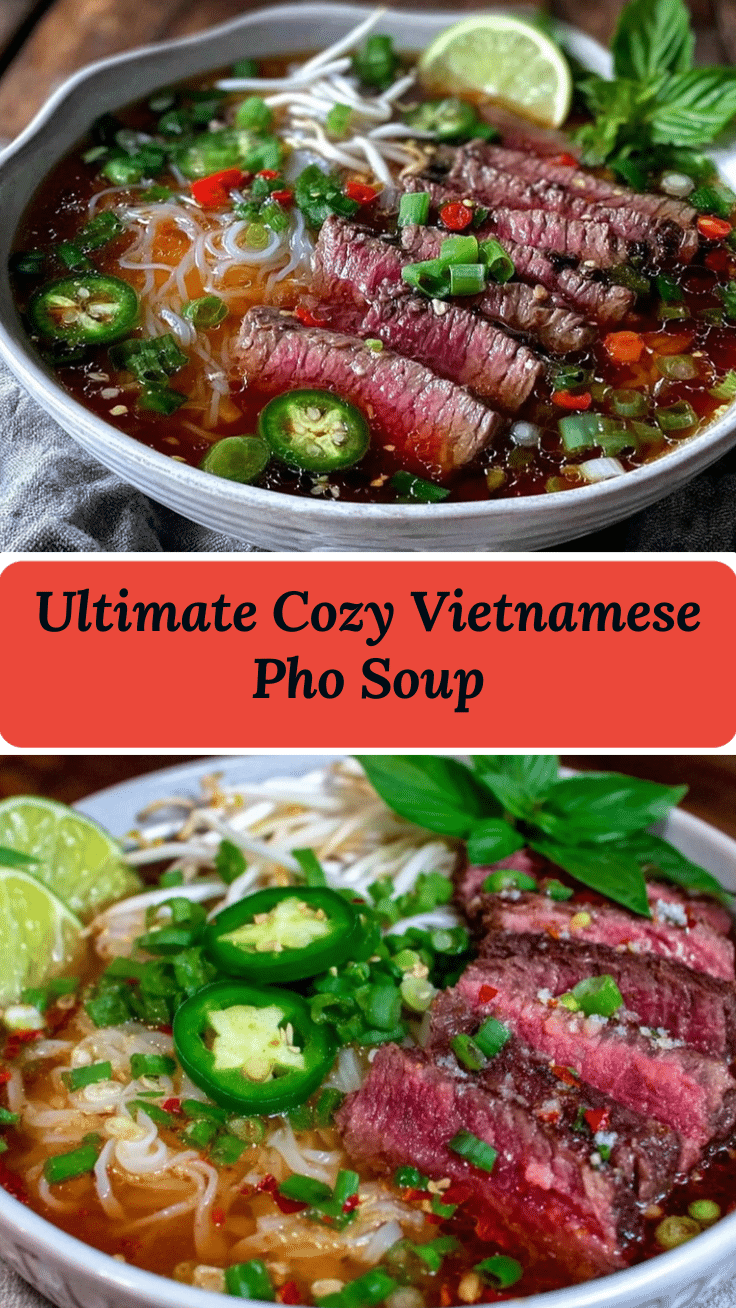
Vietnamese Pho Soup Recipe Easy Homemade Beef Pho for Beginners

This easy homemade Vietnamese Beef Pho Soup is a comforting, aromatic noodle soup featuring a rich beef broth, tender slices of beef, and fresh herbs. Perfect for beginners, it comes together in under two hours and is sure to warm you up on any chilly evening.
- Prep Time: 30 minutes
- Cook Time: 90 minutes
- Total Time: 2 hours
- Yield: 4 servings 1x
- Category: Main Course
- Cuisine: Vietnamese
Ingredients
- 2 lbs beef bones (marrow or knuckle bones)
- 1 large yellow onion, halved
- 1 thumb-sized piece fresh ginger, sliced and smashed
- 2 star anise pods
- 1 cinnamon stick
- 3 whole cloves
- 1 tbsp coriander seeds
- 1 tsp black peppercorns
- 2 tbsp fish sauce
- 1 tbsp sugar (rock sugar preferred, granulated ok)
- 10 cups water
- Salt, to taste
- 8 oz dried rice noodles (banh pho, medium width)
- 12 oz beef sirloin or eye round, very thinly sliced
- Fresh cilantro leaves
- Thai basil (or regular basil)
- Mint leaves
- Bean sprouts
- Scallions, thinly sliced
- Lime wedges
- Thinly sliced red chili or jalapeño
- Hoisin sauce (optional)
- Sriracha or chili garlic sauce (optional)
Instructions
- Place beef bones in a large stockpot and cover with cold water. Bring to a boil over high heat and boil for 5 minutes, skimming off any foam.
- Drain bones in a colander and rinse under cool water. Wash out the pot and return bones to the clean pot.
- Heat a small pan over high heat. Char halved onion and sliced ginger cut-side down until deeply browned (about 3 minutes per side).
- Add charred onion, ginger, star anise, cinnamon, cloves, coriander seeds, black peppercorns, fish sauce, sugar, and 10 cups water to the pot with bones. Bring to a boil, then reduce to a gentle simmer. Skim foam occasionally and simmer uncovered for 1.5 hours.
- Remove bones and aromatics with tongs. Strain broth through a fine mesh strainer into a clean pot. Taste and adjust salt or fish sauce as needed.
- Soak dried rice noodles in hot water for 10-15 minutes until soft. Drain well. If using fresh noodles, briefly dunk in boiling water.
- Slice beef sirloin as thinly as possible (partial freezing helps).
- Divide noodles among serving bowls. Top with raw beef slices. Ladle hot broth directly over beef to cook. Add bean sprouts, herbs, scallions, chili, and sauces as desired.
Notes
For clear broth, always parboil and rinse bones and skim foam regularly. Char aromatics for deeper flavor. Slice beef as thinly as possible for best texture. Customize with your favorite herbs and sauces. Store broth and noodles separately for leftovers. For gluten-free, check fish sauce and noodle labels.
Nutrition
- Serving Size: About 2 cups broth,
- Calories: 350
- Sugar: 3
- Sodium: 950
- Fat: 10
- Saturated Fat: 4
- Carbohydrates: 38
- Fiber: 2
- Protein: 24
Keywords: pho, Vietnamese soup, beef pho, noodle soup, easy pho, homemade pho, comfort food, gluten-free, Asian recipes, family dinner