I figured making fig jam was this whole production — a day-long affair involving a giant pot, a candy thermometer, and the kind of patience I usually reserve for waiting in line at the post office. It took about one summer afternoon of staring at a bag of figs that were about two days past their prime for that assumption to fall apart completely. I had bought too many at the farmers’ market (a common problem, honestly) and needed a plan. Fast. So I grabbed the smallest pot I owned, a lemon that was rolling around in the crisper drawer, and a sprig of thyme that looked like it had seen better days. I figured I’d end up with something edible at best. What I got instead was a jar of something so unexpectedly perfect that I sat there eating it straight off a spoon, leaning against the kitchen counter.
That’s the thing about homemade fig jam with lemon and thyme. It doesn’t ask for much. You don’t need to be a canning expert or own a water bath processor. You just need fruit that’s a little too soft, a little too sweet, and about forty-five minutes of your time. The lemon cuts through the honeyed richness of the figs in a way that feels almost corrective — like it’s saying, “Hey, I know you’re delicious, but let’s not get carried away.” And the thyme? It adds this quiet, almost savory whisper in the background that makes you take a second bite just to figure out what’s going on.
I’ve made this jam every late summer for the past three years now. It’s become my little ritual — a way of bottling up the tail end of warm weather before the kitchen starts smelling like cinnamon and squash. It’s not fancy. It’s not fussy. But it is, without question, the thing I’m most proud of putting on a cheese board. And honestly? You don’t need any special skills to make it. You just need to trust the process and let the figs do what they do best.
Why You’ll Love This Recipe
This isn’t your average fruit jam. It’s something you’ll want to keep in your fridge at all times, once you taste it. I’ve tested this recipe more times than I can count, tweaking the lemon-to-thyme ratio until it hit that perfect balance between bright and earthy. Here’s why this one sticks:
- Small Batch, Big Reward: You’re not committing to a dozen jars here. This recipe makes just enough to enjoy for a week or two, or to give as a last-minute hostess gift. No pressure, no waste.
- Simple Ingredients: Figs, sugar, lemon, thyme, water. That’s it. You probably have most of these in your kitchen right now, minus the figs (and honestly, those are worth a quick trip to the store).
- Perfect for Cheese Boards: This jam was basically born to sit next to a wedge of brie or a chunk of aged manchego. It’s the kind of condiment that makes a simple cracker plate feel like a planned appetizer.
- No Pectin Required: Figs have enough natural pectin to thicken beautifully on their own. You don’t need to buy any special powders or liquids — the fruit does all the work.
- Unbelievably Versatile: I’ve slathered this on toast, spooned it over yogurt, used it as a glaze for roasted chicken, and even swirled it into oatmeal. It keeps surprising me.
What makes this recipe different from the dozens of other fig jam recipes out there is the way the lemon and thyme work together. Most versions lean too sweet or too spiced. This one lets the fig flavor shine while the lemon keeps things bright and the thyme adds a layer of complexity you won’t find in a standard recipe. It’s not just another jam — it’s your new secret weapon for breakfast, snacks, and entertaining.
There’s something about opening a jar of this in the middle of winter that just makes everything feel better. It’s a little bit of summer saved in glass. And when you spread it on a warm piece of toast and take that first bite? You’ll close your eyes. I promise.
What Ingredients You Will Need
This recipe uses simple, seasonal ingredients to create a jam that’s complex in flavor but simple in execution. Most of these are pantry staples or easy to find at any grocery store or farmers’ market.
- Fresh Figs (1 pound / about 450g): Look for figs that are ripe but not mushy — they should give slightly when gently squeezed. Black Mission, Brown Turkey, or Kadota figs all work beautifully. If you can smell the sweetness before you even bring them to your nose, you’ve found the right ones. (I prefer Black Mission for their deep, jammy flavor.)
- Granulated Sugar (1/2 cup / 100g): Regular white sugar is perfect here. It helps the figs release their natural pectin and creates that glossy, spreadable texture. You can reduce it slightly if your figs are exceptionally sweet, but don’t go below 1/3 cup or the jam won’t set properly.
- Fresh Lemon Juice (2 tablespoons): This is non-negotiable. The acidity balances the intense sweetness of the figs and helps activate the pectin. Always use fresh lemon juice — bottled stuff has a flat, metallic taste that will throw off the whole jam.
- Lemon Zest (1 teaspoon): The zest adds a bright, aromatic citrus note that the juice alone can’t provide. Make sure you zest before you juice the lemon — trust me, it’s much harder the other way around.
- Fresh Thyme (3-4 sprigs): Go for fresh thyme here, not dried. The fresh herb infuses the jam with a gentle, earthy aroma that complements the figs without overpowering them. You’ll remove the sprigs before jarring, so no need to strip the leaves.
- Water (2 tablespoons): Just enough to get the cooking process started. The figs will release their own juices as they heat up, so you don’t need much.
Substitution Notes: If you can’t find fresh figs, frozen figs (thawed and drained) can work in a pinch. For a lower-sugar version, try using coconut sugar or a sugar substitute, though the texture will be slightly different. If you’re out of fresh thyme, a 1/2 teaspoon of dried thyme can substitute, but add it early so it has time to rehydrate and mellow out.
Equipment Needed
You don’t need a fancy canning setup for this small-batch recipe. Just a few basic kitchen tools that you probably already own.
- Medium Heavy-Bottomed Saucepan or Dutch Oven: A 2- to 3-quart pot is ideal. The heavy bottom helps distribute heat evenly and prevents the jam from scorching. I use my enameled cast iron Dutch oven — it’s perfect for this.
- Wooden Spoon or Silicone Spatula: Something sturdy enough to stir the jam as it thickens. Wooden spoons are great because they don’t conduct heat, but a high-heat silicone spatula works well too.
- Chef’s Knife and Cutting Board: For trimming the fig stems and cutting them into quarters. A sharp knife makes the job much easier — dull knives will just squish the soft fruit.
- Microplane or Fine Grater: For zesting the lemon. A box grater works too, but a microplane gives you those fine, fluffy zest pieces that blend seamlessly into the jam.
- Citrus Juicer or Fork: For juicing the lemon. A simple handheld juicer makes the job mess-free, but a fork works in a pinch.
- Fine-Mesh Strainer: Optional, but useful if you want to remove the lemon zest or any stray fig seeds for an extra-smooth jam.
- Glass Jar with Lid (8 oz / 240ml): A small mason jar or any clean glass jar with a tight-fitting lid. Make sure it’s sterilized — just wash it in hot soapy water, rinse well, and let it air dry.
If you don’t have a heavy-bottomed pot, just keep a closer eye on the jam as it cooks and stir more frequently to prevent sticking. Budget-friendly tip: Thrift stores are goldmines for small enameled pots and pretty jars.
Preparation Method
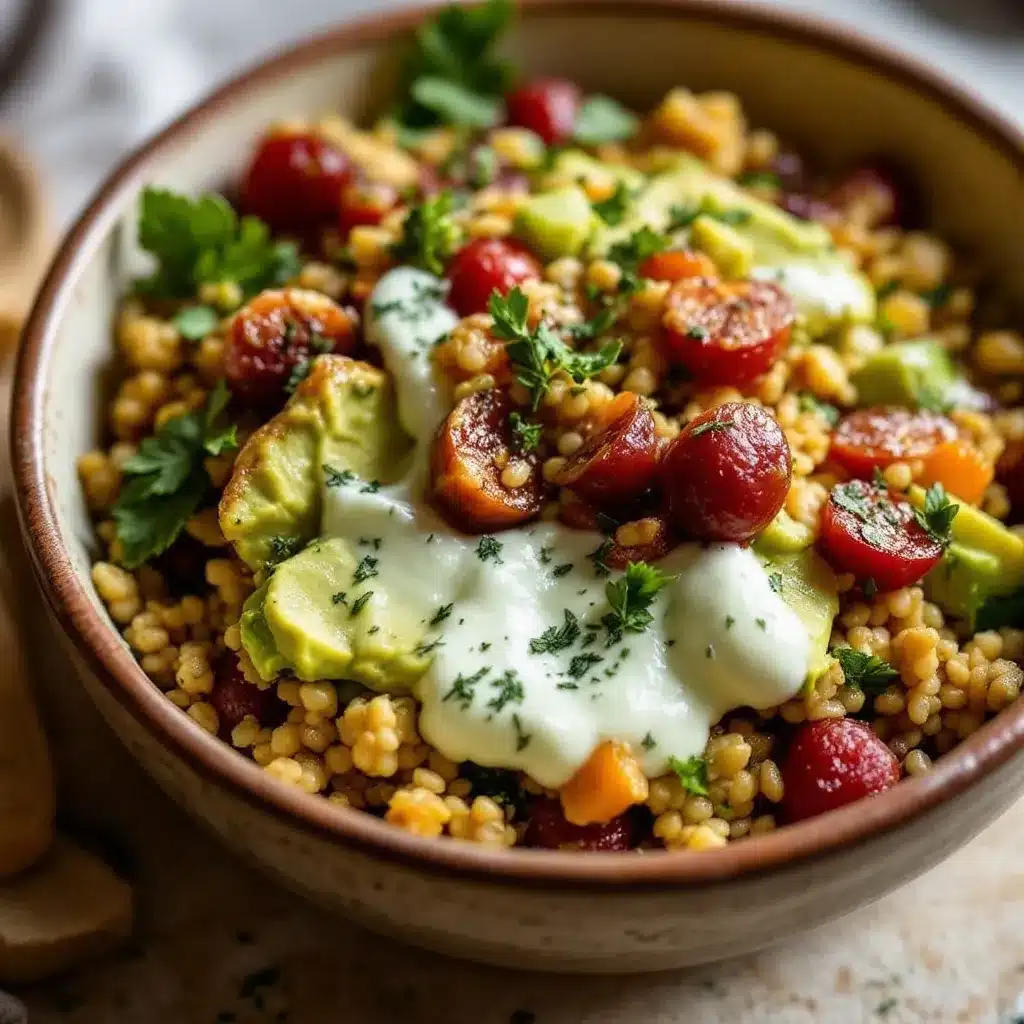
This whole process takes about 45 minutes from start to finish, and most of that is hands-off simmering. Here’s how to make your own homemade fig jam with lemon and thyme.
- Prep the figs (5 minutes): Rinse the figs gently under cool water and pat them dry. Trim off the tough stem ends with a sharp knife — just a thin slice off the top. Cut each fig into quarters. If you have really large figs, cut them into sixths instead. The pieces should be roughly the same size so they cook evenly. Don’t worry about being too precise; they’ll break down as they cook.
- Combine everything in the pot (2 minutes): Add the quartered figs, sugar, lemon juice, lemon zest, and water to your saucepan. Give everything a good stir to coat the figs in the sugar. Lay the thyme sprigs on top — don’t bury them, you’ll want to fish them out later. Let the mixture sit for about 5 minutes. This resting time lets the sugar start drawing out the figs’ natural juices, which helps everything cook more evenly.
- Start cooking (15-20 minutes): Place the pot over medium heat. Stir occasionally as the mixture comes to a gentle simmer. You’ll see the figs start to soften and release their juices, creating a deep purple-red liquid. Once it’s bubbling steadily, reduce the heat to medium-low. You want a gentle simmer, not a violent boil — violent boiling can cause the jam to scorch or cook unevenly.
- Mash and stir (10 minutes): After about 15 minutes of simmering, the figs should be very soft. Use the back of your wooden spoon or a potato masher to gently break them down. I like to leave some chunks for texture — it makes the jam feel more rustic and homemade. Stir every 2-3 minutes to prevent sticking. The mixture will start to thicken and look glossy.
- Test for doneness (2 minutes): After about 25-30 minutes of total cooking time, the jam should be thick enough to coat the back of a spoon. To test, place a small spoonful on a chilled plate (pop one in the freezer before you start) and let it sit for 30 seconds. Run your finger through it — if it wrinkles and holds its shape, it’s done. If it’s still runny, cook for another 3-5 minutes and test again.
- Remove the thyme and rest (5 minutes): Fish out the thyme sprigs with a pair of tongs or a fork. Give the jam a final stir and let it rest in the pot for 5 minutes. This resting time lets the flavors meld and the jam set up a bit more before you transfer it to the jar.
- Jar the jam (5 minutes): Carefully ladle the hot jam into your sterilized jar, leaving about 1/4 inch of headspace at the top. Wipe the rim clean with a damp paper towel (any residue can prevent a good seal). Screw on the lid and let the jar cool to room temperature on the counter. You’ll hear a satisfying “pop” as the lid seals — that’s the sound of success.
Sensory cues to watch for: The jam should look deep burgundy and glossy, almost like a dark ruby. It should smell intensely fruity with a bright citrus note and a faint herbal undertone from the thyme. When you stir it, the spoon should leave a trail that doesn’t immediately fill back in with liquid.
Warning: Hot jam is basically lava. Be careful when transferring it to the jar — use a ladle and pour slowly. And don’t be tempted to taste it straight from the pot; let it cool slightly first or you’ll burn your tongue (speaking from experience here).
Cooking Tips & Techniques
After making this jam more times than I can count, I’ve learned a few things the hard way. Here’s what I wish someone had told me before my first batch.
Don’t walk away from the pot. I know it sounds dramatic, but jam can go from perfectly thickened to burnt in about 90 seconds. The sugars caramelize fast once the water cooks off, especially in a small batch. Stay nearby, stir frequently, and keep an eye on the color — if it starts looking darker than a deep burgundy, pull it off the heat immediately.
Trust the wrinkle test, not the clock. Cooking times can vary wildly depending on the water content of your figs, the humidity in your kitchen, and even the size of your pot. I’ve had batches finish in 25 minutes and others take 40. The chilled plate test is your best friend here — it never lies.
Use a wider pot if you’re in a hurry. The wider the surface area, the faster the liquid evaporates, which means a thicker jam in less time. A shallow sauté pan works great if you don’t mind stirring a bit more. Just be careful with heat distribution — thin pans can lead to hot spots.
Don’t skip the resting step. I made this mistake once. I was impatient and jarred the jam straight off the heat. The result? A jam that seemed perfectly thick in the pot but turned out runny in the jar. Letting it rest for 5 minutes lets the pectin fully activate and gives you a more accurate sense of the final texture.
If you overshoot and the jam gets too thick, don’t panic. Just stir in a tablespoon of warm water at a time until it loosens up. You can’t fix burnt jam, but you can always fix thick jam.
My biggest failure: The time I decided to double the batch and used a pot that was too small. The jam bubbled up, spilled over the sides, and burned onto the stovetop. I spent an hour scrubbing caramelized sugar off the burner grates. Stick to small batches — they’re more forgiving and you’ll appreciate the jam more when it’s done.
Variations & Adaptations
This recipe is a fantastic base that welcomes experimentation. Here are some variations I’ve tried and loved.
- Spiced Fig Jam: Add 1/2 teaspoon of cinnamon, a pinch of nutmeg, and a star anise pod to the pot along with the figs. The warm spices complement the honeyed sweetness of the figs beautifully. This version is incredible on crispy skillet cornbread with a drizzle of honey.
- Balsamic Fig Jam: Stir in 1 tablespoon of good balsamic vinegar during the last 5 minutes of cooking. The acidity and slight sweetness of the vinegar add a tangy depth that’s perfect with aged cheeses and roasted meats. I’ve used this version as a glaze for roasted pork loin — absolutely killer.
- Rosemary Fig Jam: Swap the thyme for 2 sprigs of fresh rosemary. Rosemary has a more assertive, piney flavor that pairs beautifully with figs. This variation is my go-to for fresh fig and prosciutto salad — just spoon a little on top before serving.
- Low-Sugar Version: Reduce the sugar to 1/4 cup and add 1 tablespoon of chia seeds during the last 10 minutes of cooking. The chia seeds act as a natural thickener, so you get a jam-like consistency without all the sugar. The flavor will be tarter and more fruit-forward — a nice change of pace.
- Vegan-Friendly: This recipe is naturally vegan as written. No butter, no honey, no animal products. Just fruit, sugar, and herbs. Perfect for plant-based cheese boards or spreading on toast with nut butter.
I once made a batch with dried figs (rehydrated in warm water for 20 minutes) when fresh ones weren’t in season. It worked surprisingly well, though the texture was denser and the flavor more concentrated. Not a bad backup plan if you’re craving fig jam in February.
Serving & Storage Suggestions
This jam is ridiculously versatile. Here’s how to make the most of it.
Serving temperature: Serve at room temperature for the best flavor and spreadability. If you’ve stored it in the fridge, let it sit out for about 15-20 minutes before using. Cold jam is harder to spread and the flavors are muted.
Classic pairings: Spread it on crusty bread, toast, or croissants. Pair it with a sharp cheddar, creamy brie, or salty blue cheese. It’s also fantastic on a cheese board alongside crackers, nuts, and dried fruit. For a simple dessert, spoon it over vanilla ice cream or Greek yogurt.
Savory uses: Use it as a glaze for roasted chicken, pork chops, or salmon. Brush it on during the last 10 minutes of cooking for a glossy, flavorful finish. It also works beautifully as a sandwich spread — try it on a turkey and brie sandwich with arugula. I’ve even used it as a topping for fluffy cheddar and chive buttermilk biscuits for an incredible breakfast sandwich.
Storage: Store the sealed jar in the refrigerator for up to 3 weeks. Once opened, it’s best enjoyed within 2 weeks. The flavor actually deepens after a day or two in the fridge, so don’t be discouraged if it tastes slightly different on day one. If you want to keep it longer, you can freeze the jam in a freezer-safe container for up to 3 months. Thaw overnight in the refrigerator before using.
Reheating: If the jam thickens too much in the fridge, just microwave it for 10-15 seconds or stir it into warm dishes. The texture will loosen up quickly.
Flavor development: The lemon and thyme flavors become more pronounced after a day or two. I actually prefer the jam on day three — it’s more balanced and the herbal notes have fully integrated. Don’t be shy about making it a day ahead if you’re planning to serve it for a gathering.
Nutritional Information & Benefits
While this is a treat (it is jam, after all), it does offer some nutritional perks worth noting.
Estimated values per 1-tablespoon serving: Approximately 35-40 calories, 9g carbohydrates, 8g sugar, 0g fat, 0g protein. These values will vary slightly depending on the sweetness of your figs and the exact amount of sugar used.
Health benefits of figs: Figs are a good source of dietary fiber, which supports digestive health. They also contain potassium, magnesium, and antioxidants like anthocyanins — the compounds that give them that beautiful deep purple color. The fiber content can help you feel fuller longer, which is a nice bonus when you’re spreading this on your morning toast.
Dietary considerations: This recipe is naturally gluten-free, dairy-free, egg-free, and vegan. It contains no nuts or soy. If you’re watching your sugar intake, the low-sugar variation with chia seeds is a great option.
Potential allergens: None, beyond the figs themselves (fig allergies are rare but possible). Always check labels if you’re serving to someone with dietary restrictions.
My perspective: I don’t eat this jam thinking it’s a health food. I eat it because it makes me happy, and a little bit of happiness in a jar is worth the sugar. That said, using fresh, seasonal fruit and controlling the sugar content yourself is always better than buying a commercial jam loaded with corn syrup and preservatives. Balance, you know?
Conclusion
This homemade fig jam with lemon and thyme is one of those recipes that feels like a secret you want to share with everyone. It’s simple enough for a weekday afternoon but impressive enough to pull out at a dinner party. The combination of sweet figs, bright lemon, and earthy thyme creates something that’s greater than the sum of its parts — a jam that works on toast, on cheese, on roasted meats, or straight off a spoon when no one’s looking.
I hope you give this recipe a try, and I hope you make it your own. Add a little more lemon if you like things tangy. Swap the thyme for rosemary if that’s what you have. Use it as a starting point and see where it takes you. That’s the beauty of small-batch cooking — there’s no pressure, no waste, just the joy of making something delicious with your own hands.
If you do make this jam, I’d love to hear about it. Drop a comment below and tell me how you served it, or tag me in your photos if you share them online. Your kitchen adventures inspire me, and I’m always looking for new ways to use this jam. Until next time, happy cooking — and don’t forget to save a spoonful for yourself.
Frequently Asked Questions
Can I use dried figs instead of fresh?
Yes, you can! Rehydrate 1 cup of dried figs in warm water for 20-30 minutes until softened, then drain and chop them. Reduce the cooking time slightly since dried figs are already concentrated in flavor. The texture will be denser and more intensely sweet, but it still makes a lovely jam.
Do I need to peel the figs before making jam?
Not at all. Fig skins are thin, tender, and packed with flavor and natural pectin. Leaving the skin on gives the jam a deeper color and a more rustic texture. Plus, it saves you a ton of prep time. Just wash them well and trim the stems.
Why did my jam turn out runny?
Runny jam usually means it wasn’t cooked long enough for the pectin to set. Next time, cook it for an additional 5-10 minutes and use the chilled plate test before you take it off the heat. If it’s already made and runny, you can pour it back into the pot and simmer it for another 5-10 minutes to thicken it up.
Can I can this jam for long-term storage?
This recipe is designed for small-batch, refrigerator storage. If you want to water-bath can it for shelf-stable storage, you’ll need to increase the sugar slightly (to about 3/4 cup) and process the jars in a boiling water bath for 10 minutes. Always follow proper canning guidelines to ensure safety.
How do I know when the figs are ripe enough?
Ripe figs should be soft to the touch but not mushy. They should have a deep, rich color (depending on the variety) and a sweet, honey-like aroma. If they’re still firm and have no smell, give them another day or two at room temperature. If they’re leaking juice or have mold, they’re past their prime — compost them and start fresh.
Pin This Recipe!
Homemade Fig Jam with Lemon & Thyme

A simple, small-batch fig jam made with fresh figs, lemon, and thyme. Perfect for cheese boards, toast, or as a glaze for roasted meats.
- Prep Time: 10 minutes
- Cook Time: 30 minutes
- Total Time: 45 minutes
- Yield: 1 cup (8 oz) 1x
- Category: Condiment
- Cuisine: American
Ingredients
- 1 pound fresh figs (about 450g), preferably Black Mission
- 1/2 cup granulated sugar (100g)
- 2 tablespoons fresh lemon juice
- 1 teaspoon lemon zest
- 3–4 sprigs fresh thyme
- 2 tablespoons water
Instructions
- Prep the figs: Rinse figs gently, pat dry, trim stems, and cut into quarters.
- Combine everything in the pot: Add figs, sugar, lemon juice, lemon zest, and water to a medium heavy-bottomed saucepan. Stir to coat figs. Lay thyme sprigs on top. Let rest for 5 minutes.
- Start cooking: Place pot over medium heat. Stir occasionally until mixture comes to a gentle simmer. Reduce heat to medium-low and maintain a gentle simmer for 15-20 minutes.
- Mash and stir: After 15 minutes, use the back of a wooden spoon or a potato masher to gently break down figs, leaving some chunks. Stir every 2-3 minutes for about 10 minutes until mixture thickens and looks glossy.
- Test for doneness: Place a small spoonful on a chilled plate (pre-frozen) and let sit for 30 seconds. Run your finger through it; if it wrinkles and holds its shape, it’s done. If not, cook 3-5 more minutes and test again.
- Remove the thyme and rest: Fish out thyme sprigs. Stir jam and let rest in pot for 5 minutes.
- Jar the jam: Ladle hot jam into a sterilized 8 oz glass jar, leaving 1/4 inch headspace. Wipe rim clean, screw on lid, and let cool to room temperature. Listen for the ‘pop’ of the seal.
Notes
Don’t walk away from the pot; jam can burn quickly. Use the wrinkle test for doneness, not the clock. Let jam rest for 5 minutes before jarring to allow pectin to activate. If jam gets too thick, stir in warm water 1 tablespoon at a time. Store in refrigerator for up to 3 weeks, or freeze for up to 3 months.
Nutrition
- Serving Size: 1 tablespoon
- Calories: 3540
- Sugar: 8
- Carbohydrates: 9
Keywords: fig jam, homemade jam, small batch jam, fig recipe, lemon thyme jam, easy jam recipe, no pectin jam